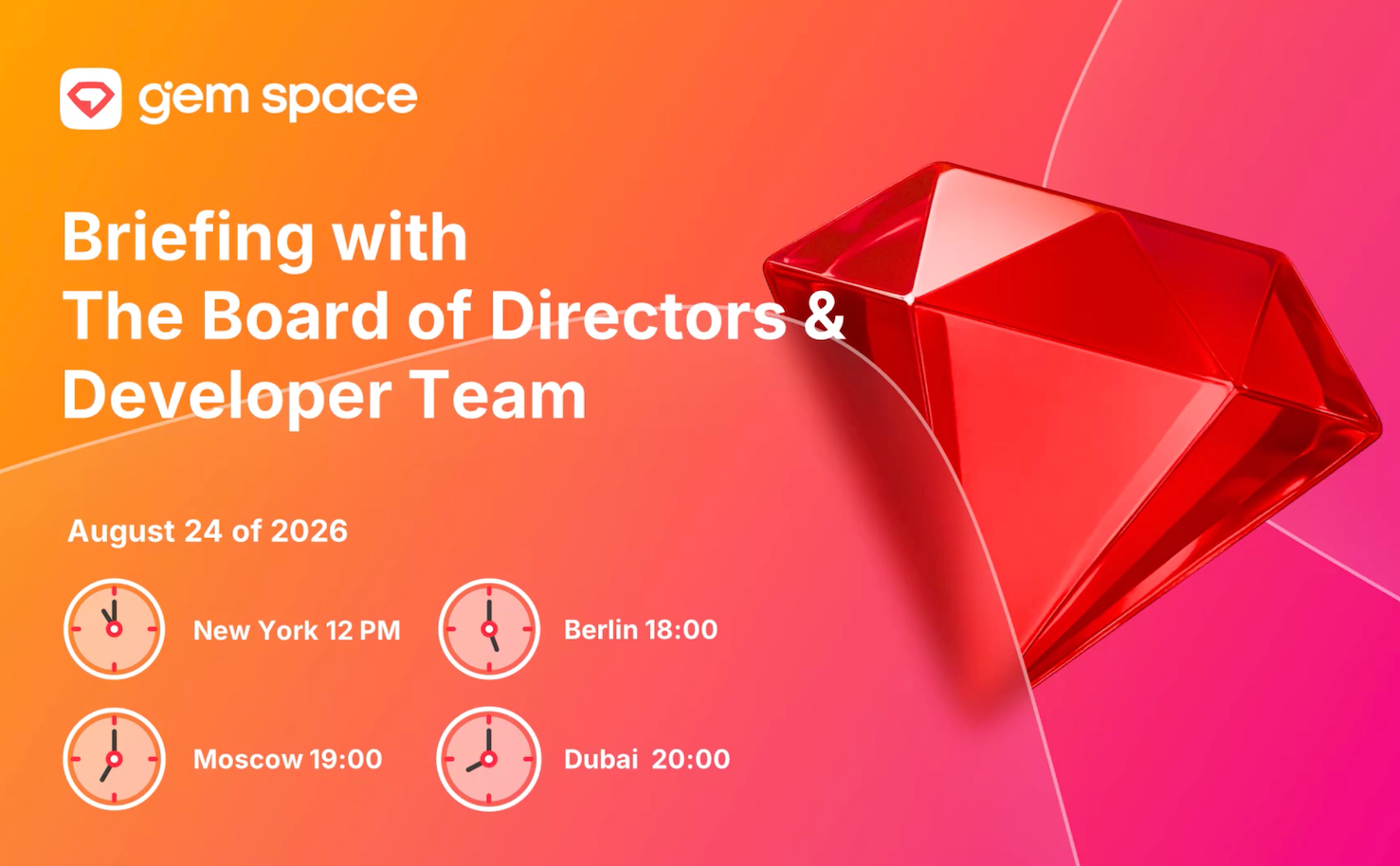
The August 24th briefing opened with a detailed development update covering the period since the end of July.
One release shipped on August 19th, delivering a new core service — a continuation of the architectural transformation underway across both B2C and B2B products. The core is the shared foundation on which multiple products are built, and adding new core services significantly optimizes the development team’s workflow. The August 19th release also brought meaningful improvements to bot performance. Previous issues with Google’s infrastructure — tasks getting stuck in the queue — have been resolved. Processing speed has improved by more than tenfold, with positive results visible in both the AI bots and the content block.
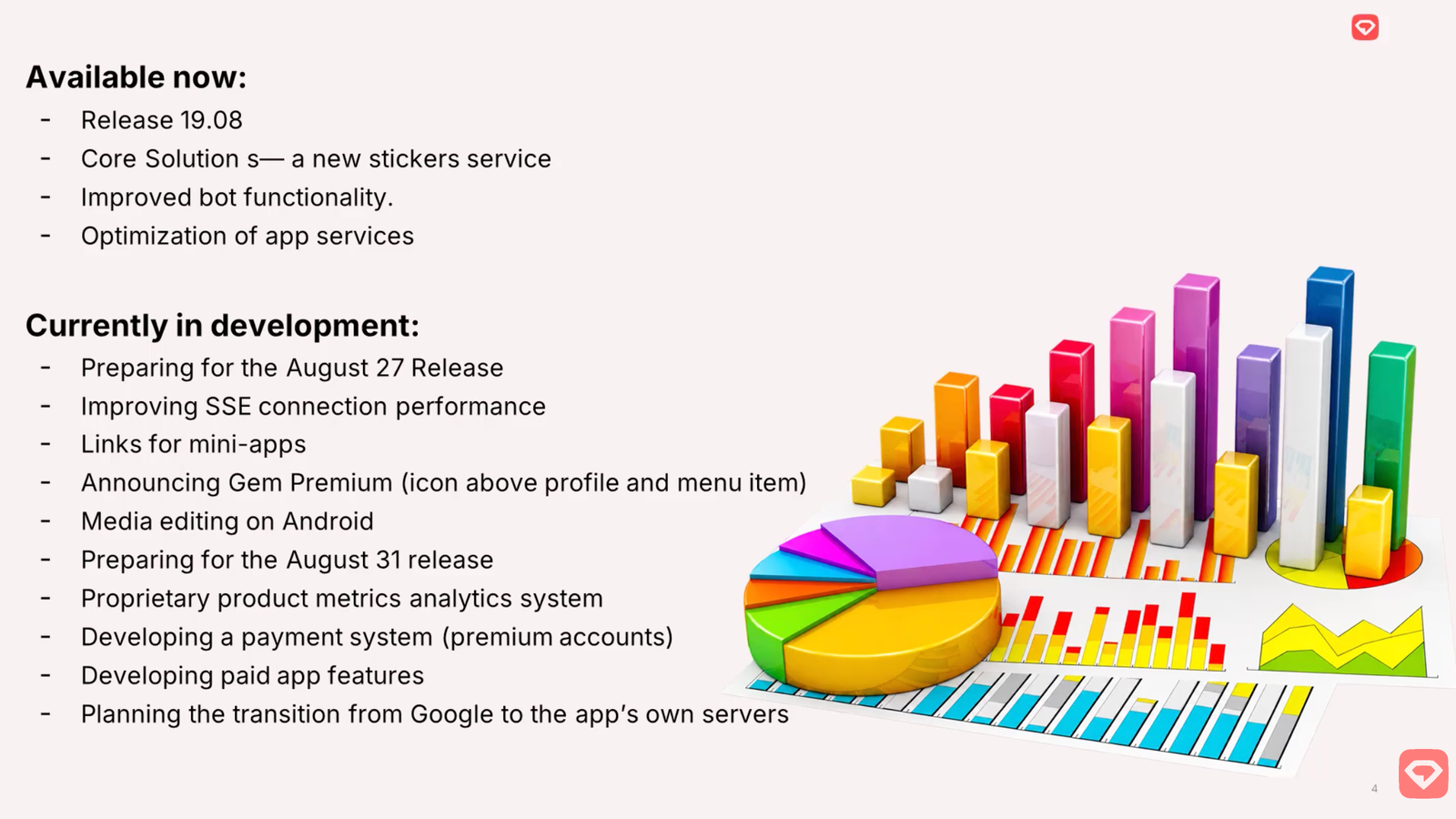
A release scheduled for August 27th will bring significant improvements to the SSC connection — the underlying technology that handles all message sending, file transfers, and media delivery across the application. The improvements are invisible to the user in the technical sense, but highly noticeable in practice through faster, smoother communication. This release will also introduce mini-app sharing links, allowing users to share mini-apps directly with each other — a feature expected to meaningfully accelerate the spread of the mini-app ecosystem. Gem Premium will also be announced in this release, appearing as a profile indicator and menu item ahead of the full September launch. Media editing functionality for Android is being tested and will be rolled out across all platforms.
A release on August 31st will launch the company’s own proprietary product analytics platform. Previously, a third-party solution was used to collect marketing data from mobile and web platforms. The new system is built on Gem Soft’s own infrastructure and will give the marketing and product teams direct access to analytics without dependence on external vendors.
Looking ahead to September, the major payment system and paid app functionality release is in final stages. Integration with payment providers is already being tested. This is the release that will enable actual financial transactions within the platform — the foundation of everything the monetization roadmap is built on.
A significant infrastructure migration project has also begun. The team is moving away from Google services at the component level — the smaller building blocks of the application — following the earlier successful migration of data to proprietary databases. The reasons are twofold: cost optimization, and the need for precise, purpose-built tools to support AI implementation rather than the broad service packages offered by vendors like Google and Amazon.
B2B: Gem Team 3.1.0 in September
On the B2B side, version 3.1.0 is scheduled for release on September 3rd. This release includes CRM integration — a sales funnel tool for the managers and marketers who handle license sales, allowing them to track analytics and monitor the full workflow with clients. The payment management system continues to be developed to handle different license types and user limits. A monitoring system for B2B environments — covering both on-premise and cloud deployments — is also being developed, giving both the Gem Soft team and clients visibility into their environments in real time.
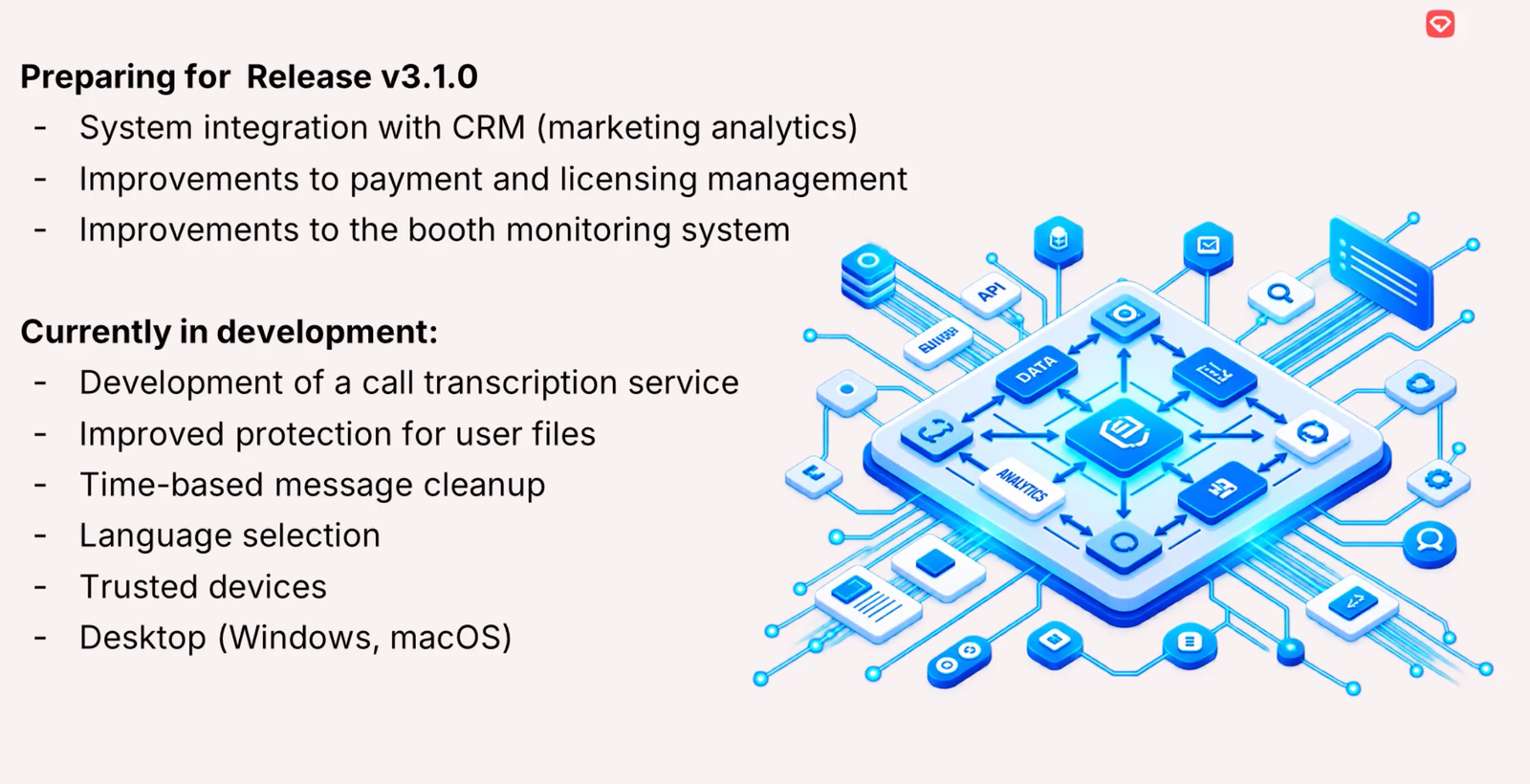
Features planned for September beyond the 3.1.0 release include call transcription — converting voice calls to text — significant improvements to file system security including encryption for on-premise and cloud installations, time-based message cleanup allowing users to set automatic deletion timers on messages, language selection for new regional markets, trusted device verification as part of the security infrastructure for encrypted chats, and desktop applications for both Windows and macOS.
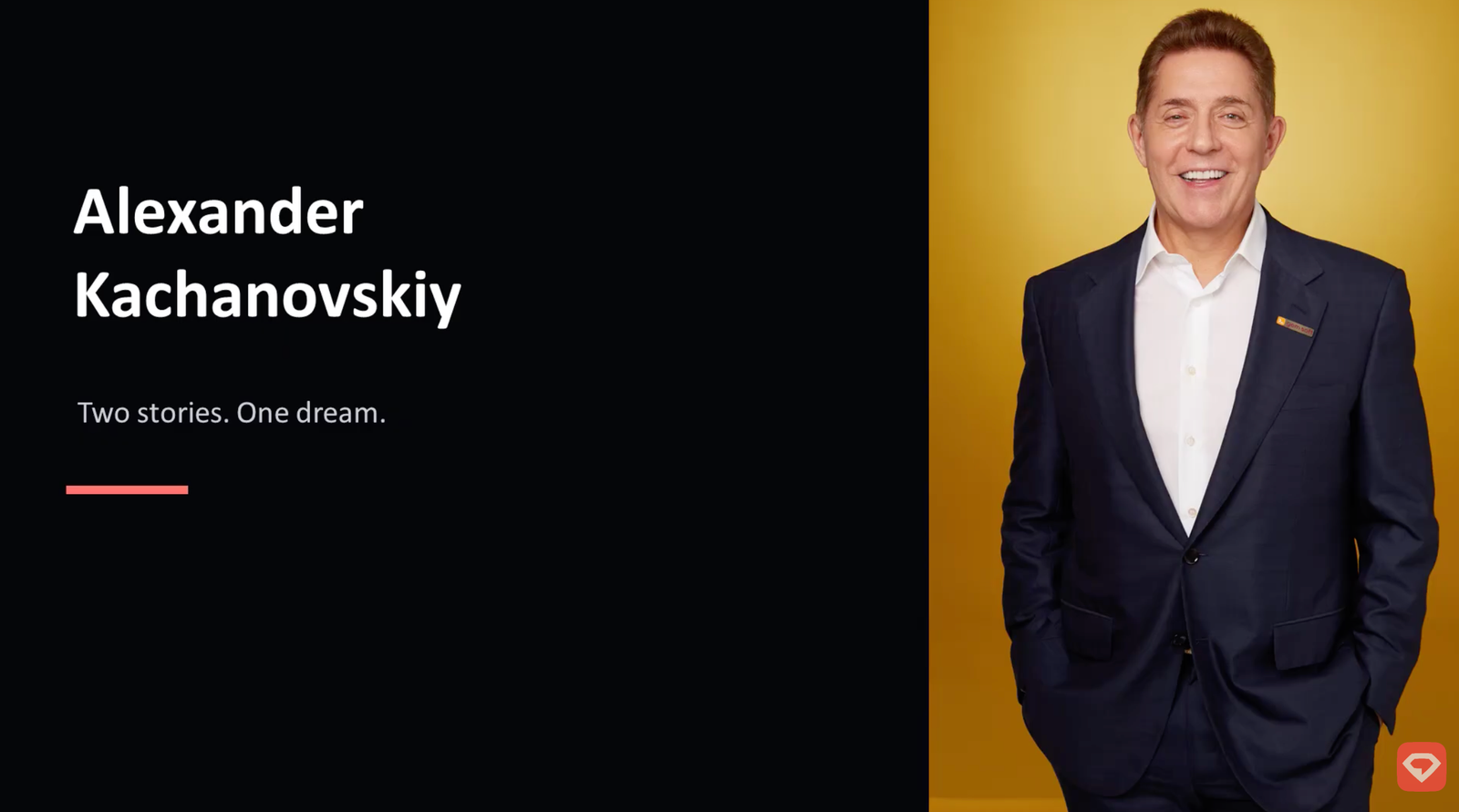
The Story Behind the Platform: Three Stories, One Choice
The most distinctive part of the August 25th conference was a personal presentation delivered by Alexander Kachanovskiy — three stories connected by a single question.
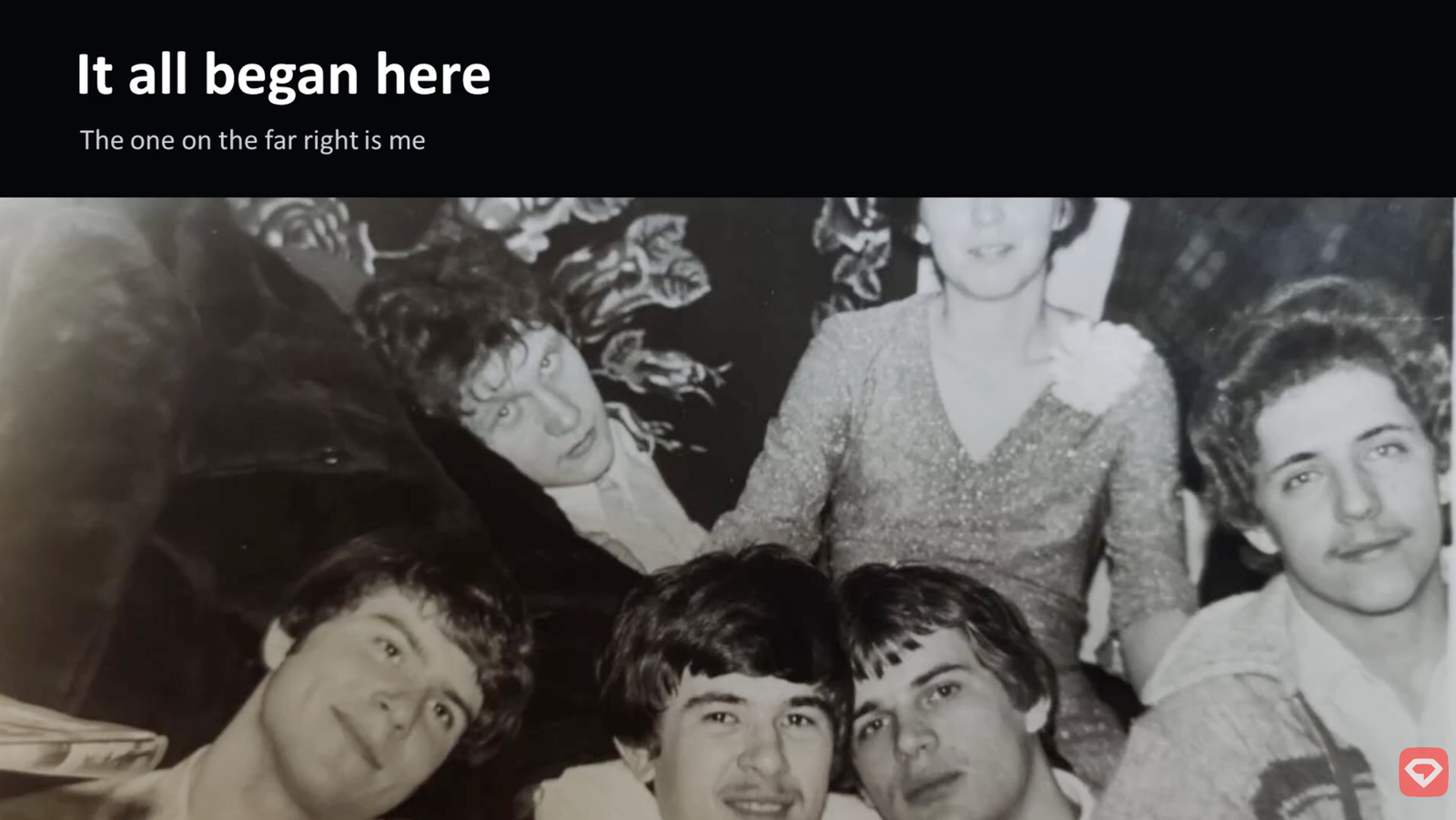
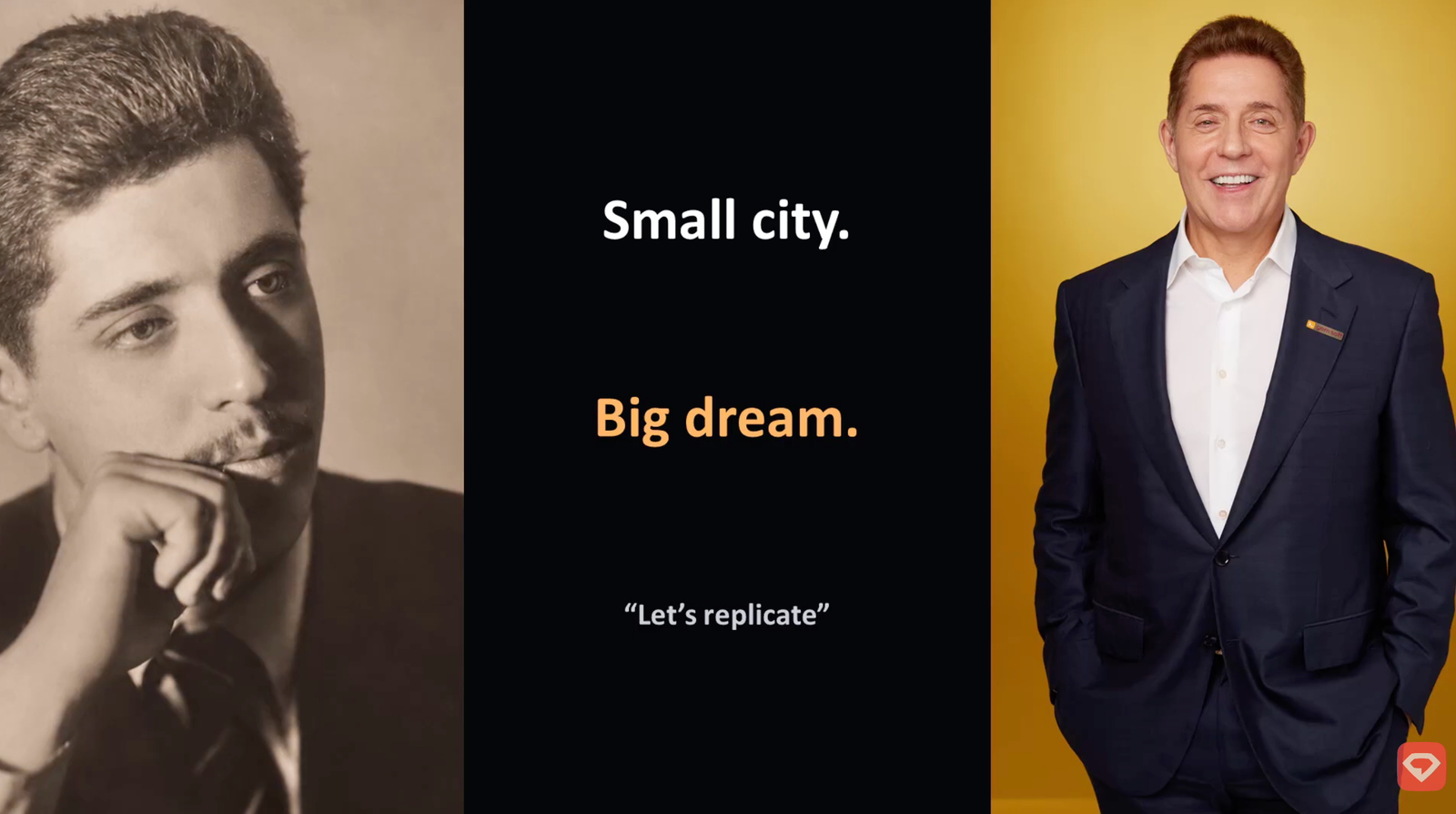
The first story was his own. He began his working life at a grinding machine factory in Lipetsk, a provincial Russian city.

From there, he built his way upward through different cities and countries — selling clothes and food products, importing cars from Germany, opening a car dealership in Moscow, running a sausage production business. Each venture taught him something: how to start from zero, how not to fear the unknown, how to rise after failure and keep moving forward. But all of those businesses were small or medium-sized. The desire to build something truly significant remained.
The second story was the one that gave that desire its form. In early 1983, Steve Jobs met with John Sculley — then president of PepsiCo, 44 years old, with a brilliant career and a secure, comfortable life. Apple at the time had revenues of around $1 billion against IBM’s $40 billion. Its computers cost three times as much. Its future was far from certain.
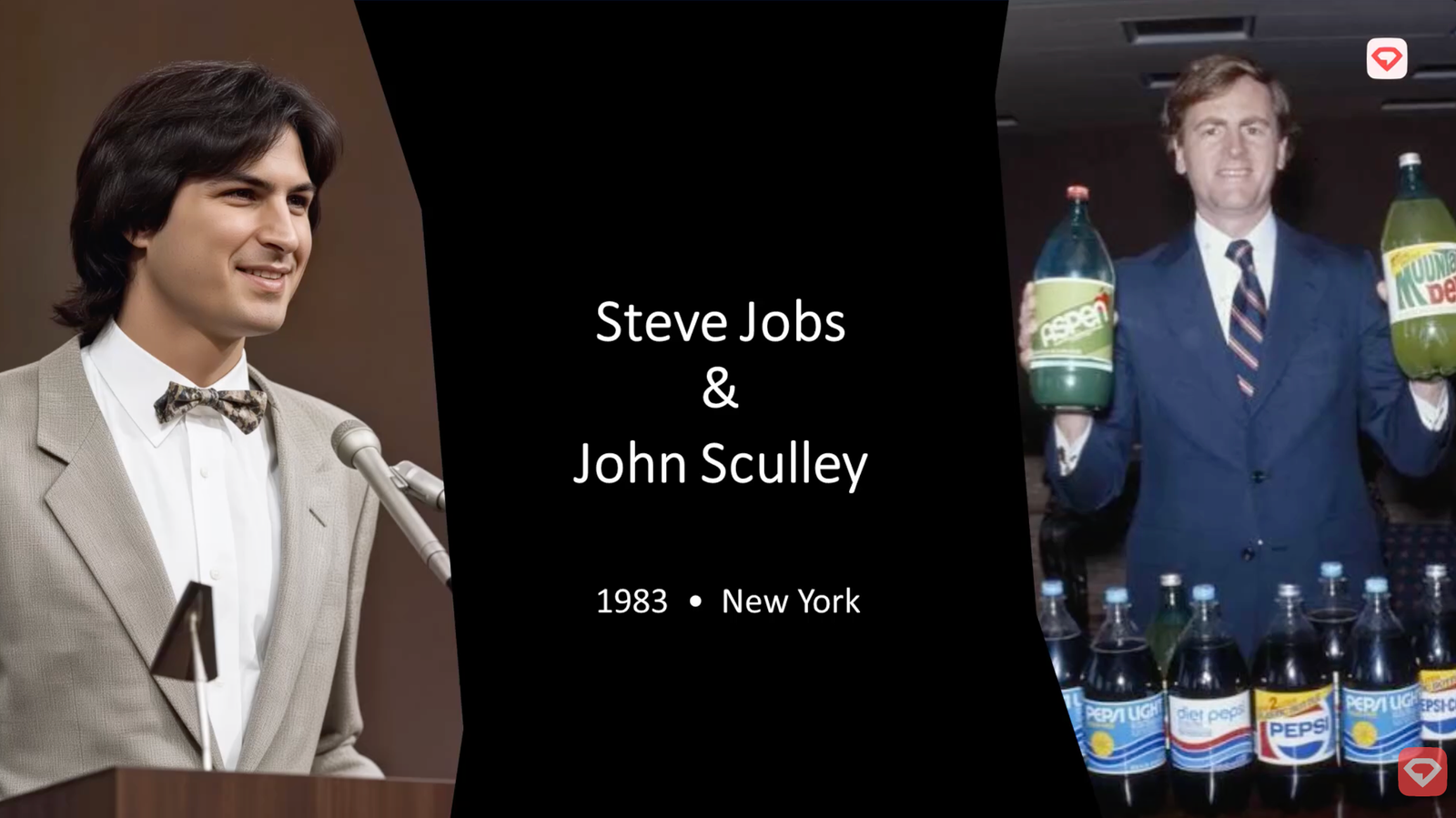
Jobs was not offering a title or a salary. He was offering the chance to leave a mark on history. After weeks of conversations, Jobs asked: “Do you want to spend the rest of your life selling sugar water? Or do you want to come with me and change the world?” Sculley accepted. For Kachanovskiy, it was not only the answer that mattered — it was the question itself. Because every person, at some point, faces a version of it.

The third story — the one that made the question feel possible to answer — was the story of Igor Magazinnik, a young man from Nizhny Novgorod, who built the Viber messenger with a development team in Minsk and sold it for $1 billion in 2014. This was not a Silicon Valley story. It was proof that it could be done without the traditional prerequisites. That story led Kachanovskiy to his partners with a simple proposition: “A man from Nizhny Novgorod, a team in Minsk, a global product. $1 billion. Let’s do it too.” The answer was yes. In 2016, Gem Space began.
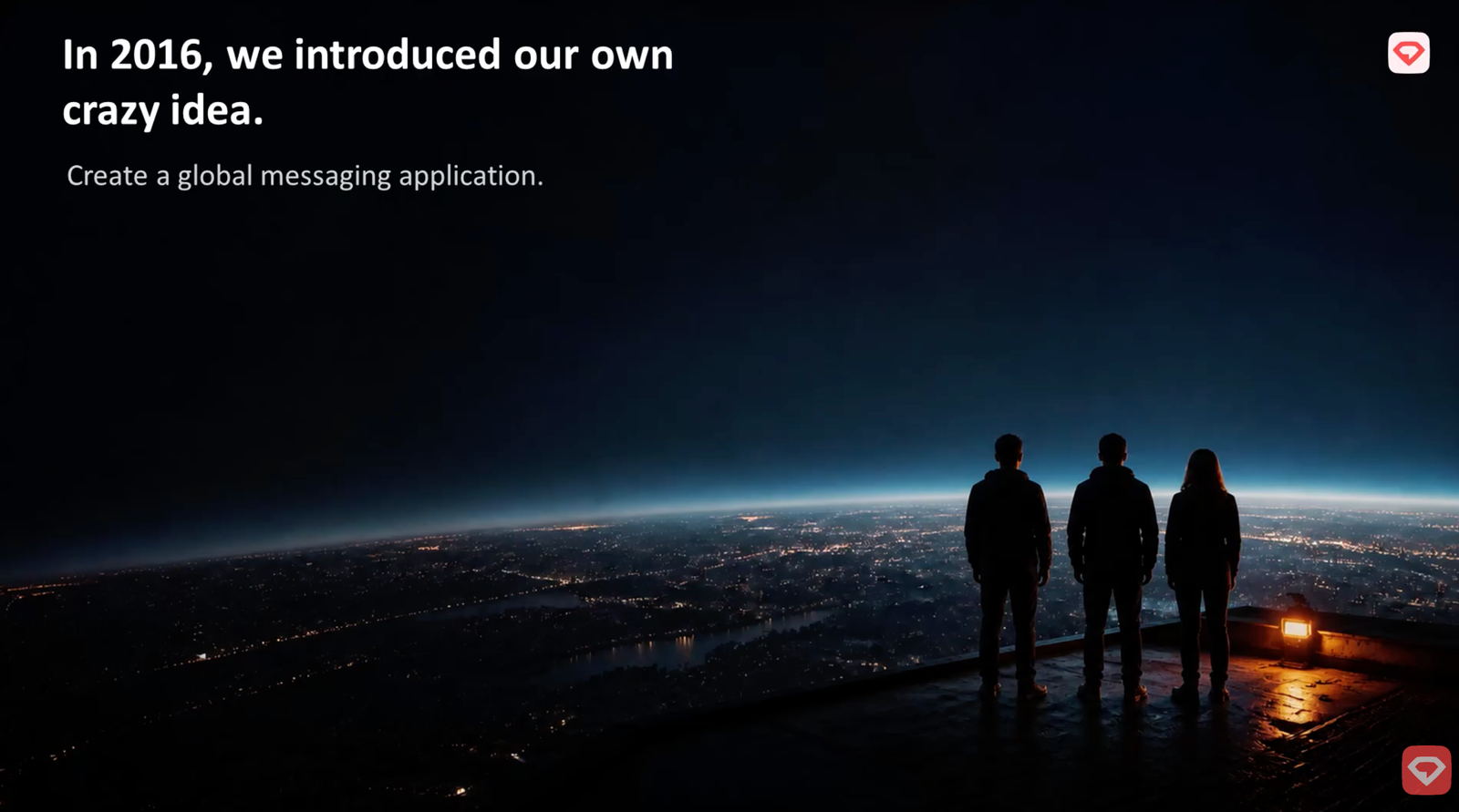
They had no world-famous founders. No Silicon Valley address. No venture capital lining up. No experience in the industry and no guarantee of success. At the same time, dozens of companies — including major global corporations with enormous budgets — launched their own messenger products. Most of those projects have since shut down. Gem Space kept working, year after year. The foundation was built. The team was formed. The platform became real.
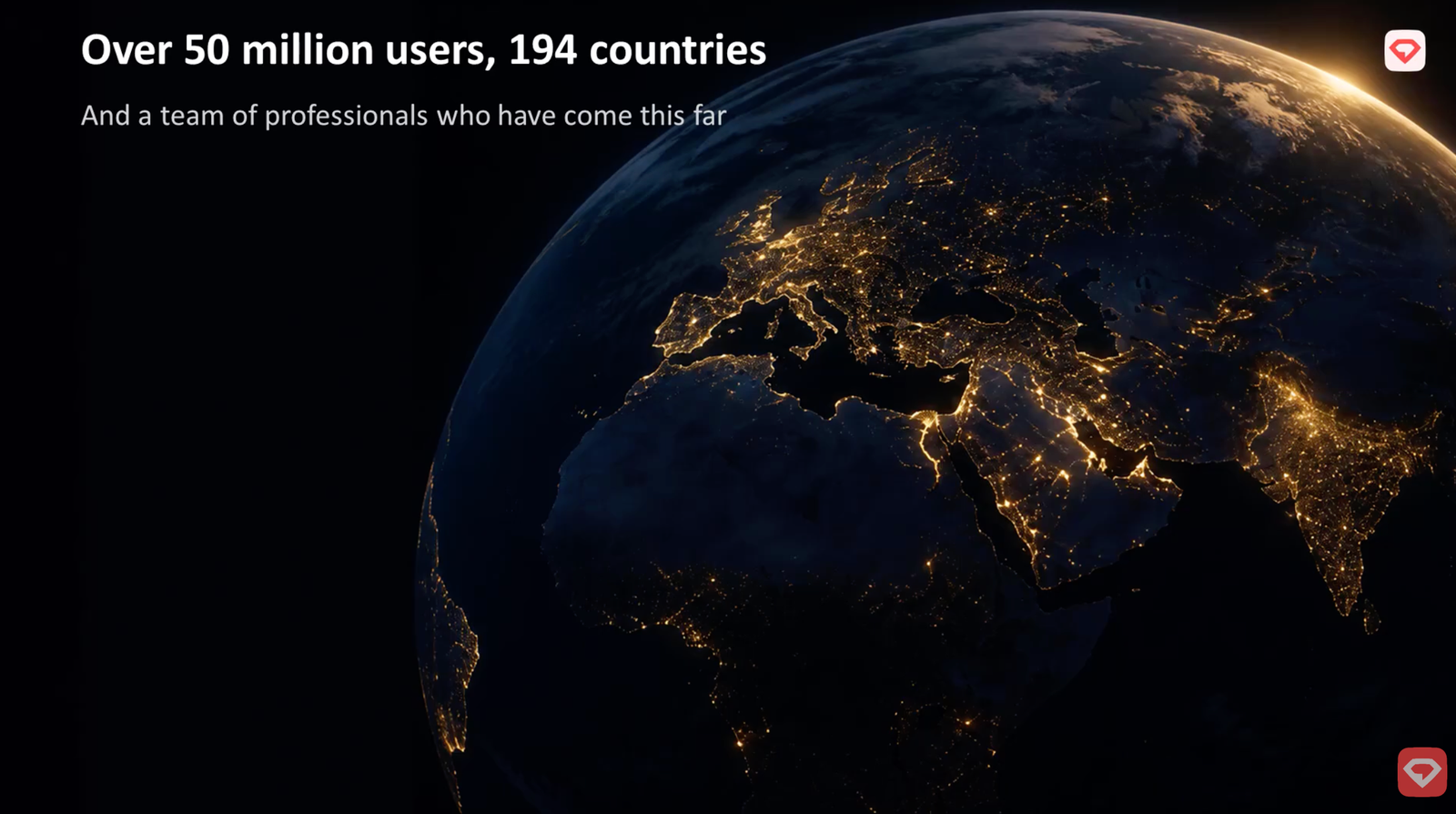
Today, more than 50 million people across 194 countries use Gem Space. What was described as a crazy idea ten years ago has become a working global platform.
The analogy used to describe the current moment: a vast bridge. The calculations are complete. The supports are built. The two shores are connected. The structure is in place and has been proven reliable. But a bridge reveals its true purpose only when traffic begins to move across it. That is where Gem Space stands today. The platform is built. The users are here. The technology works. The task now is to send a powerful flow of valuable services across that bridge and convert user activity into sustainable revenue.
The Five Monetization Directions
The full monetization roadmap was presented clearly:
- PayGem Wallet — the financial heart of the ecosystem. Users will pay for products and services via bank card, Apple Pay, Google Pay, and later cryptocurrency.
- Mini-apps — compact services running directly inside Gem Space. The catalog already includes dozens of mini-apps with the first third-party companies offering products and services on the platform. The benchmark referenced: WeChat, which contains more than 4 million mini programs. Every new mini-app makes the platform more useful and creates another potential revenue stream.
- Premium Subscription — people are willing to pay for added capabilities, greater convenience, and exclusive services.
- Advertising tools and paid information channels — a fourth revenue stream being developed alongside the others.
- AI Agents and Assistants — described as one of the most promising directions. The goal is to make artificial intelligence genuinely useful for everyone — helping users find information, work, learn, create content, and solve everyday problems directly inside Gem Space. The benchmark cited: Snapchat’s paid subscription grew 71% by the end of 2025 to 24 million subscribers, with annual revenue exceeding $1 billion. This is not presented as a promise to replicate Snapchat’s exact results, but as evidence that users are willing to pay for genuinely useful capabilities inside an app they already use.
GCC Region: Ceasefire and Returning Teams
A ceasefire has been declared in the Persian Gulf. The significance of this for Gem Space is direct — the deferred demand that has been building throughout the conflict period is expected to begin converting once the Hormuz Strait reopens and oil and gas development resumes. Teams are returning to Qatar and continuing work in Oman and Saudi Arabia.
One active project worth noting: a company providing satellite internet in the Middle East is currently working with Gem Soft on a technical installation of the Gem Space platform on their satellite internet infrastructure. Testing is underway.
Two countries are currently in active discussions for white-label license deals. A group of engineers in one country spent five years with unlimited resources attempting to build a national messenger and did not succeed — Gem Soft is now forming joint working groups with them.
On the question of the first license renewal payment: the contract extension has been signed and payment is being awaited. All the technical means to connect or disconnect the service exist, but as the first renewal experience, coordination is ongoing. Payment will be credited to Class C shareholders once received.
The Google Play Android installation count as of the morning of August 24th is 42,040,198.
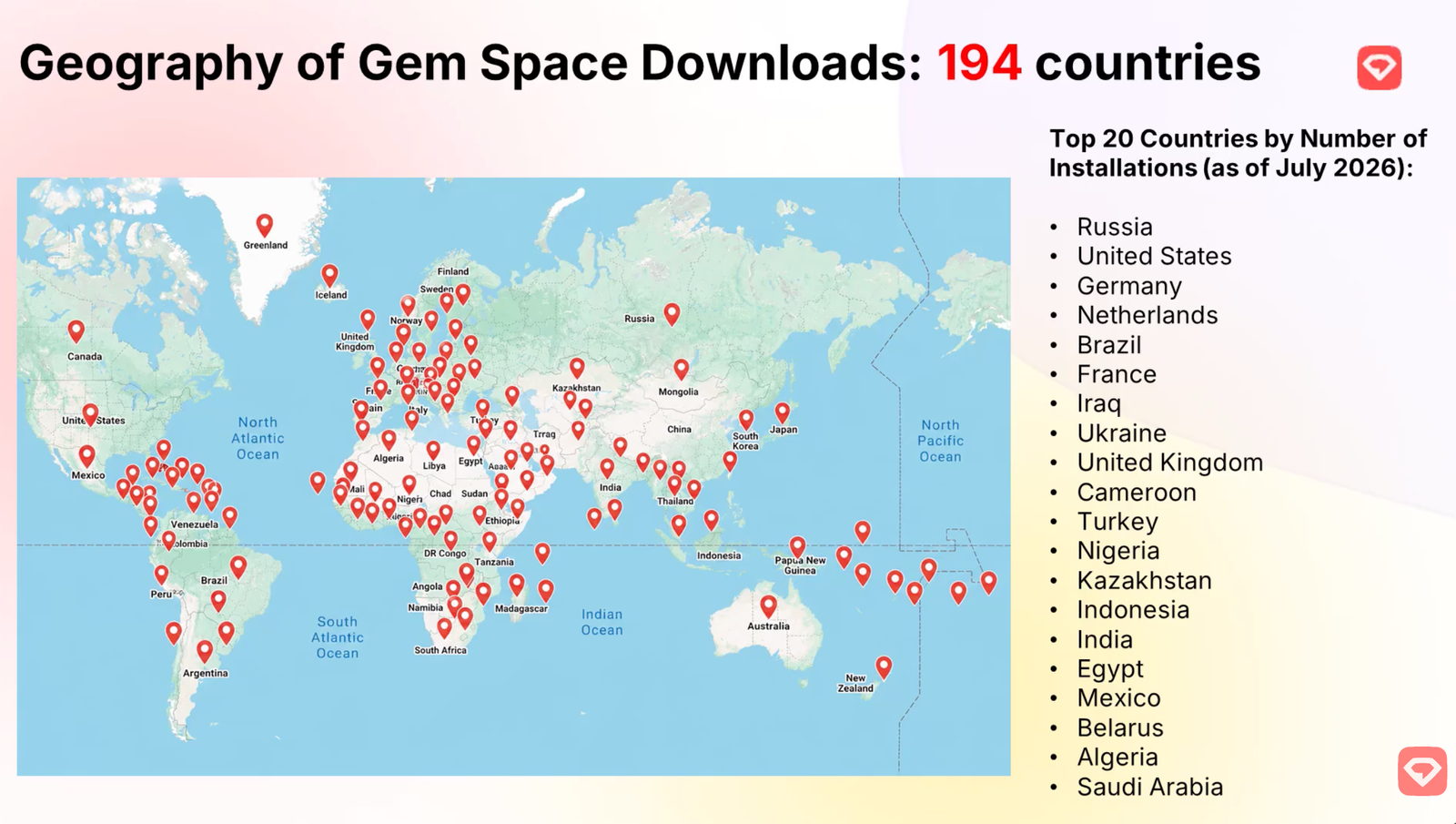
Top Countries by Downloads
The top countries for Gem Space downloads are Russia and the United States — both very active — followed by strong growth across the European Union, Brazil, Kazakhstan, Indonesia, and India — notably boosted during the Telegram block period in India. All of this is organic traffic, meaning no paid user acquisition campaigns are running.
Legal and Shareholder Documentation Updates
Several important administrative updates were shared.
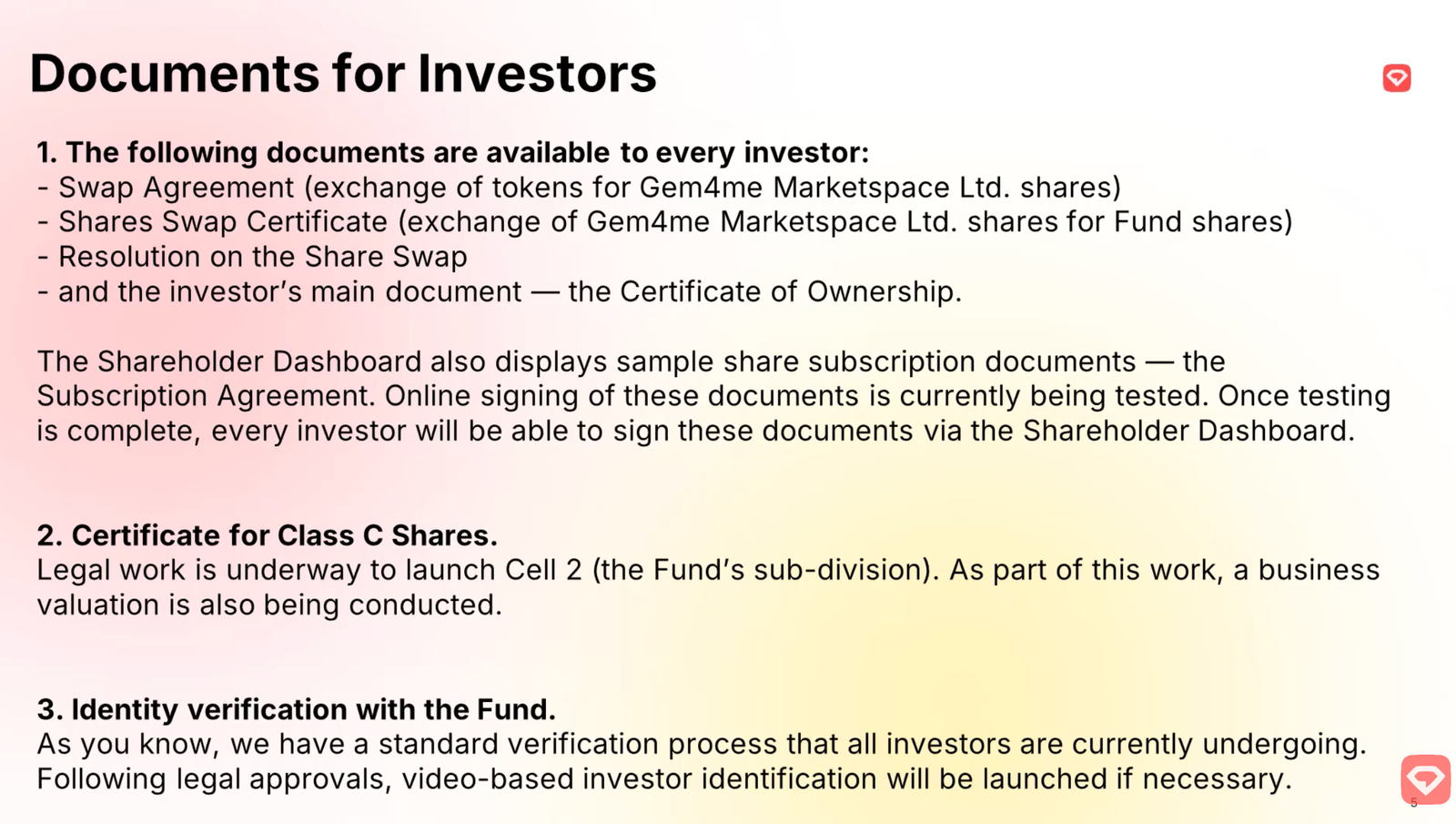
A swap agreement framework is now in place — the mechanism by which token holders exchange tokens for fund shares. Sample subscription documents are available in the shareholders portal. Online signing of these documents is currently being tested, with the goal of allowing each investor to sign electronically within the portal once testing is complete.
For Class C shares, the company is working through the process of launching the second cell of the fund. Before the Mauritius regulator allows issuance, a business valuation must be completed. This valuation must be conducted by European, American, or Canadian certified appraisers — a costly and time-consuming process — and then approved by the regulator. The process is underway.
Identity verification within the fund is also being coordinated with the regulator. A video identification process is being implemented — a 15-second video submission through a link — to complete legal verification for investors who require it. Those who need documentation on this process can contact the support team for an individual written response.
The Question
The conference closed with the same question that opened Steve Jobs’s conversation with John Sculley — reframed for the Gem Space community.
Once, Jobs offered that choice to Sculley. Later, Kachanovskiy asked it of himself. Today it is being asked of everyone in the community.
Do you want to simply watch the world change? Or do you want to change it together?
Stay informed — join our Angels Team channel in Gem Space.
Comments are closed