The August 17th conference opened with a story that has become one of the most cited moments in Silicon Valley history — and drew a direct parallel to the Gem Space journey.
In March 1983, Steve Jobs met with John Sculley — then 44 years old, president of PepsiCo, and considered one of the most successful executives in America. Jobs was 28 and had founded Apple six years earlier. Apple had made a significant impression on the market by releasing the first genuinely user-friendly personal computer. But Sculley was skeptical. He knew that IBM — with a turnover 40 times larger than Apple’s — had just entered the personal computer market in 1981 with PC-compatible machines that any company could manufacture. Apple, by contrast, made unique computers only Apple produced, running Apple’s own operating system, priced two to three times higher than IBM’s equivalents.
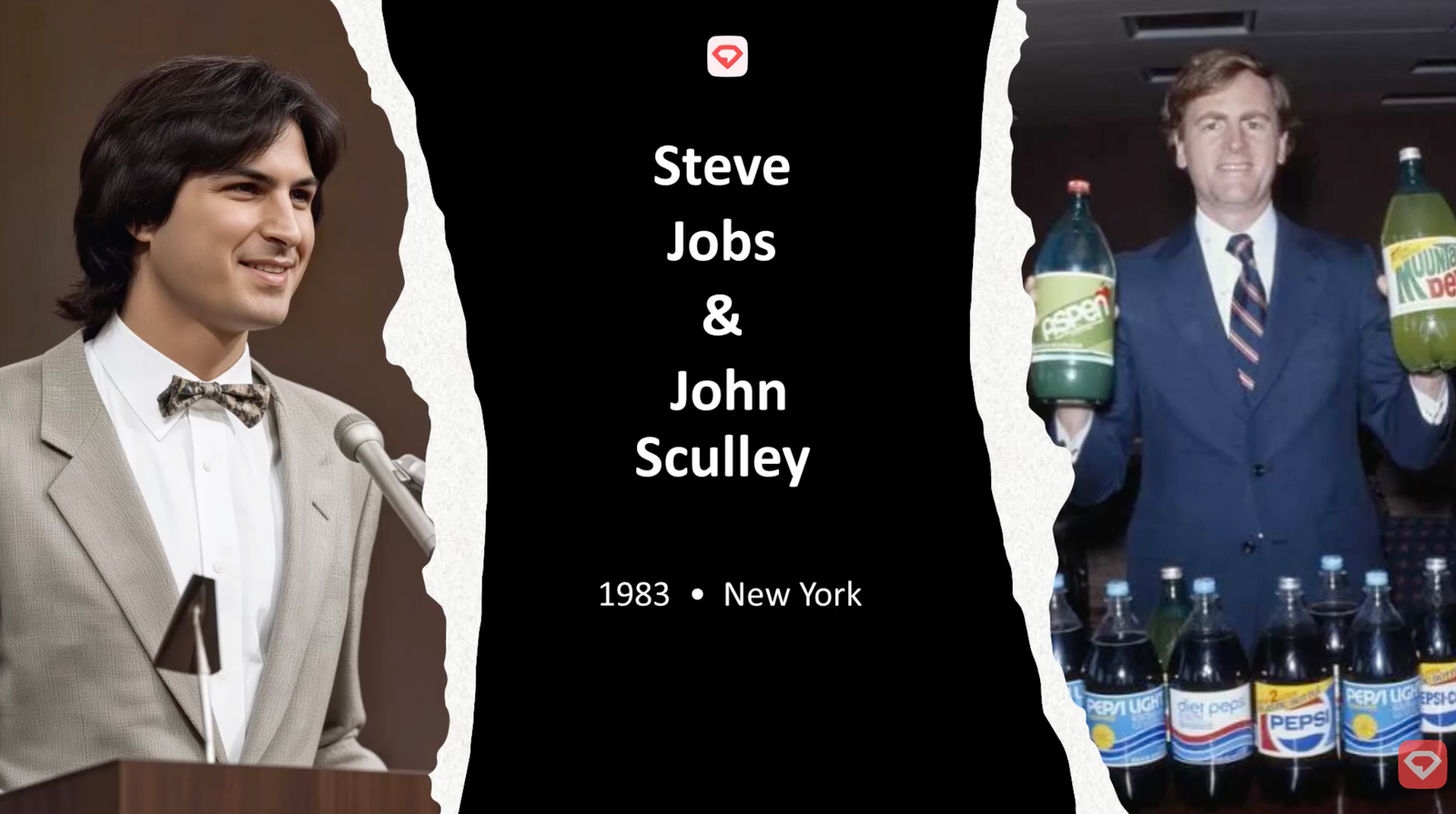
For two months, Jobs tried to persuade Sculley to join Apple. On March 27th, 1983, he asked the question that changed everything: “Are you going to sell sweet water for the rest of your life, or do you want to come with me and change the world?” Sculley joined. The rest is history.

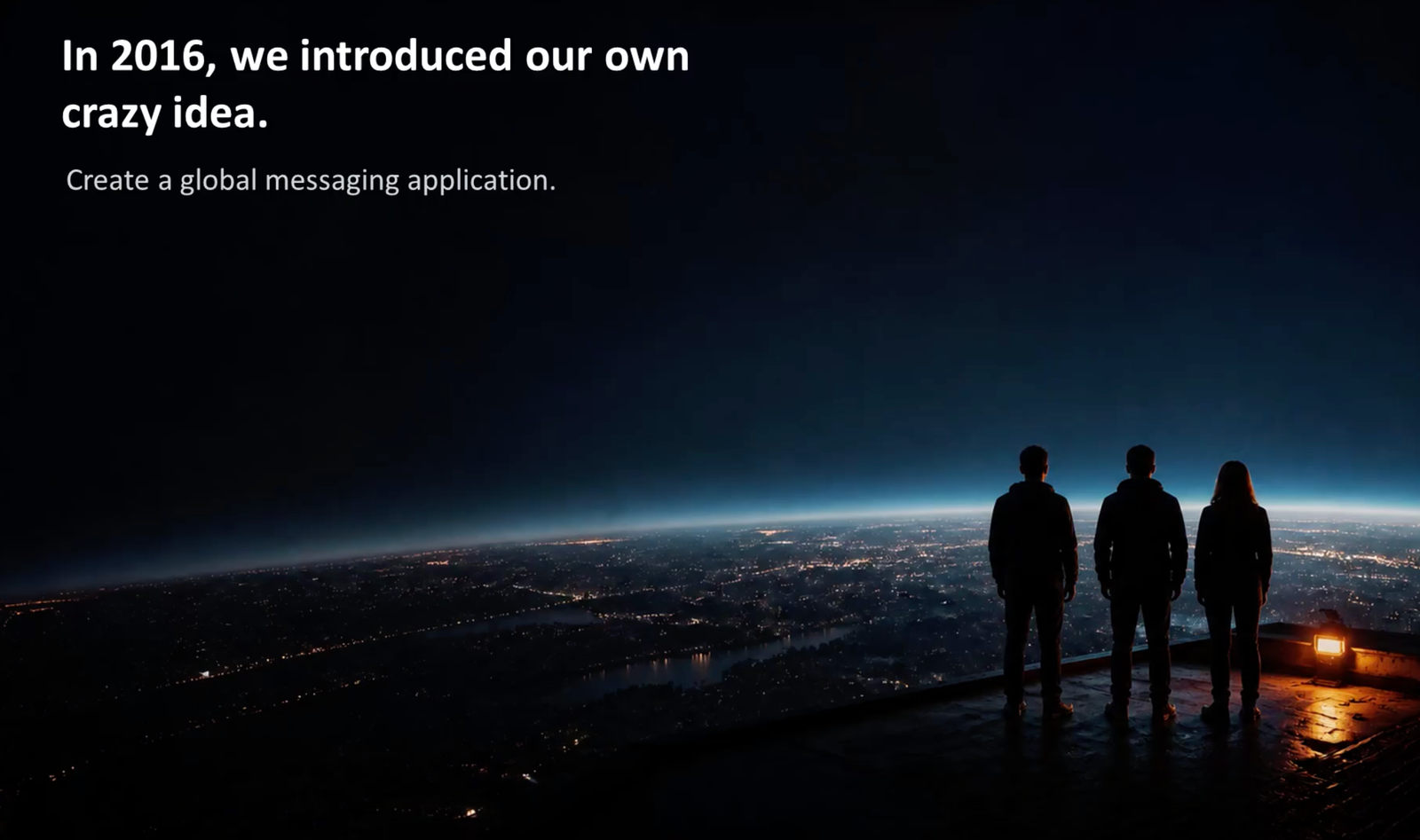
The parallel to Gem Space is deliberate. Ten years ago, in 2016, the founding team had what seemed to many like an equally ambitious — and to some, equally improbable — idea: to build their own global messenger. After the success of WhatsApp and Viber, dozens and possibly hundreds of companies had the same idea. Among them were Google and Microsoft. What set Gem Space apart was not a famous founder, not Silicon Valley connections, and not venture capital with hundreds of millions behind it. It was a group of people who decided they were going to do it — and spent ten years proving they could.
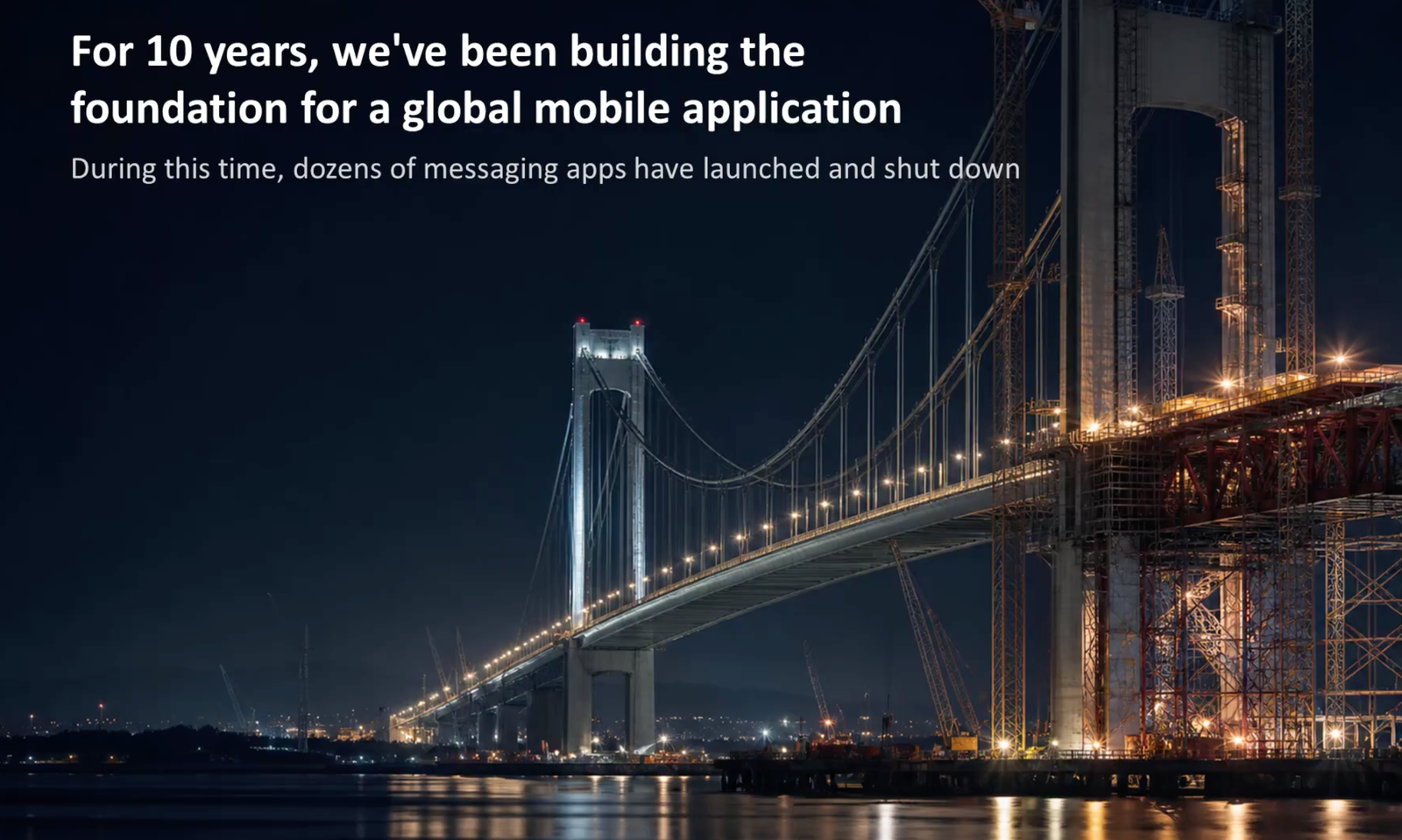
Today, Gem Space is one of the few global messengers that survived. The competitors who started at the same time or around the same period have shut down their projects. The platform now has over 50 million users across 194 countries, a professional team that built the foundation and remains fully intact, and a technological base ready for the next stage.
The Next Stage: Infusing the Platform with Financial Flows
The transition underway in 2026 was described in clear terms. Building a global mobile application from scratch — the infrastructure, the technology, the team, the user base — was the hard part. What comes next is, by comparison, a much more manageable challenge: infusing the application with financial flows.
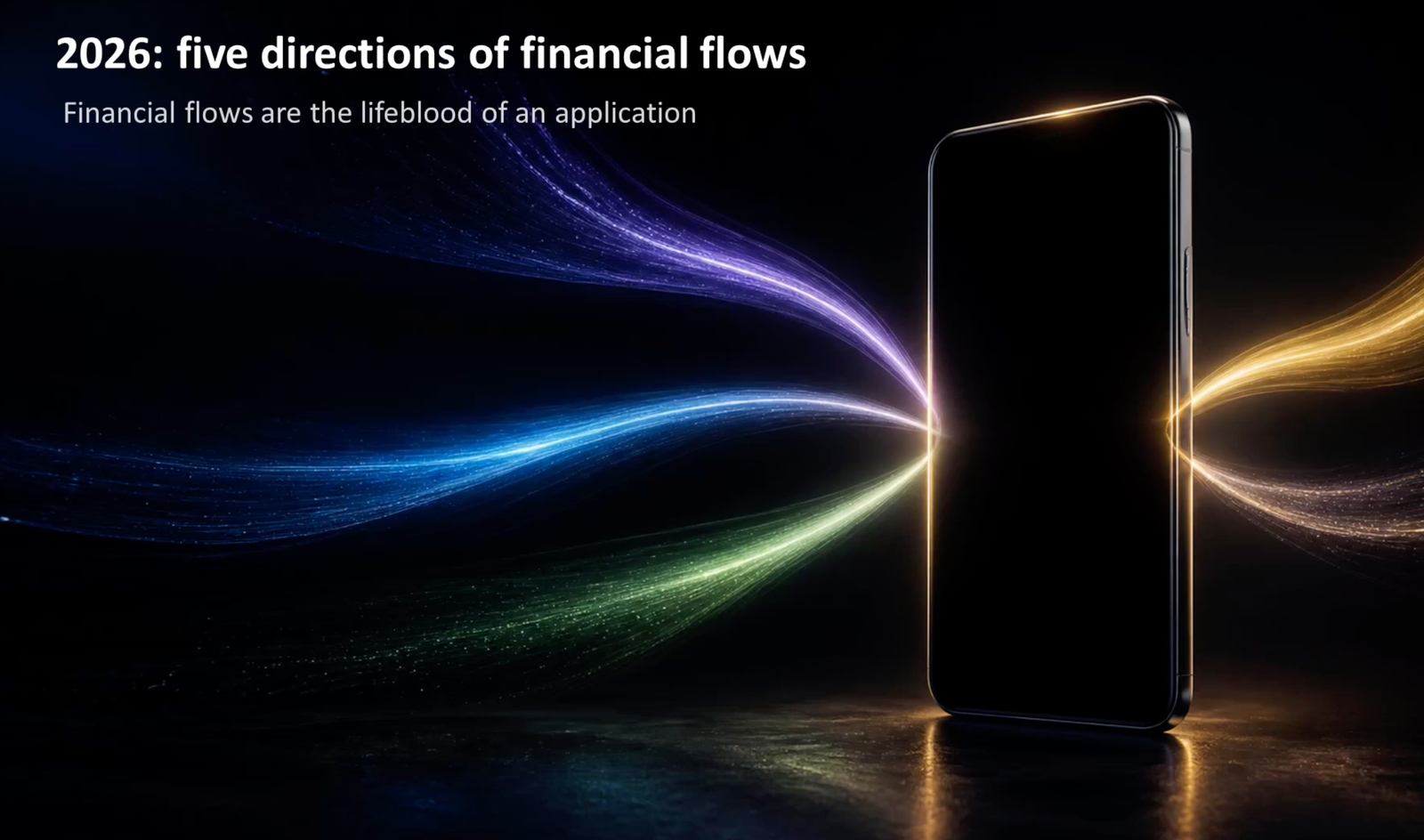
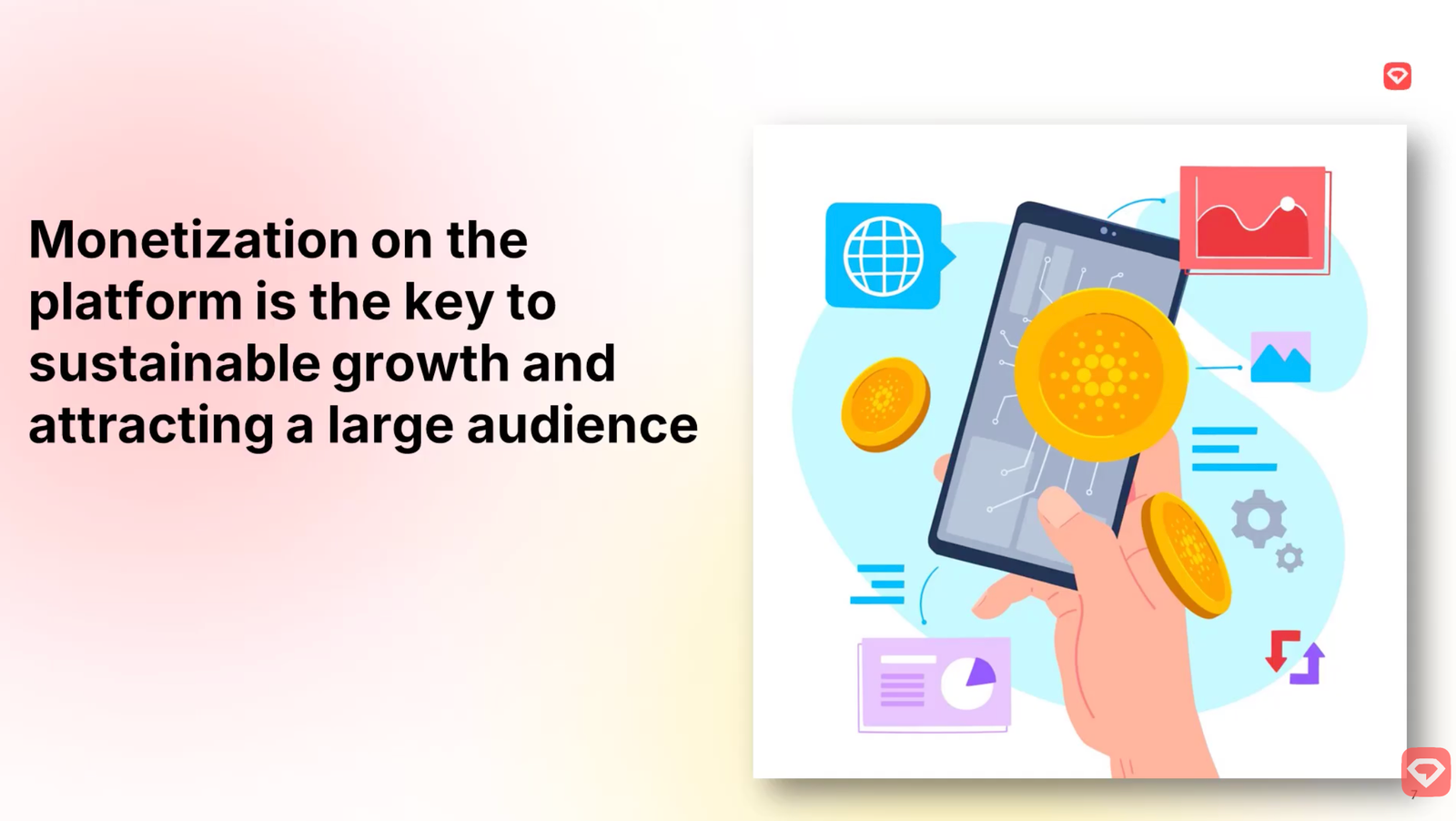
Five financial flow channels are being built simultaneously, all centered on the wallet system.
Payments via Google Pay, Apple Pay, and bank cards are being integrated to enable transactions within the app.
Mini-apps are the open platform layer — currently over 20 are live, mostly games, with other categories including reminders and to-do lists already in development. The platform is open to any company or developer, and the expectation is growth from dozens to hundreds to thousands of mini-apps offering their services to Gem Space users.

Premium subscriptions launch in September, providing a direct recurring revenue stream from users willing to pay for exclusive features.

And AI agents and assistants are being developed and planned for release within the next one to two months — described at the conference as likely to become one of the most fundamental directions the platform pursues.
The investment thesis being presented to current and new investors is framed around this final stage. The foundation is built. The users are there. The team is in place. What remains is financing the rollout of the tools that convert that foundation into cash flow — measured in months rather than years, and conditional on proper funding of the direction.
Darwin’s Law in the Digital Economy
The second part of the conference addressed the broader strategic question investors have been raising: how does the company respond to a world undergoing total change simultaneously across geopolitical, economic, and technological dimensions?
The answer offered is rooted in a principle stated clearly: survival in economics goes not to the strongest, but to those who adapt fastest. The concept needs to be refined roughly every three to four months to keep pace with changing conditions.
The original dual-product concept — GemSpace as a global messenger and GemTeam as a corporate communication platform for licensing — remains valid. GemTeam has real revenue, real clients, and real license renewals. But the turbulence in the GCC region created a vulnerability in a concept that relied heavily on that region’s deal flow. The response was not to abandon the region — deferred demand there is building and will convert — but to develop a parallel monetization concept that operates independently of geopolitical conditions.
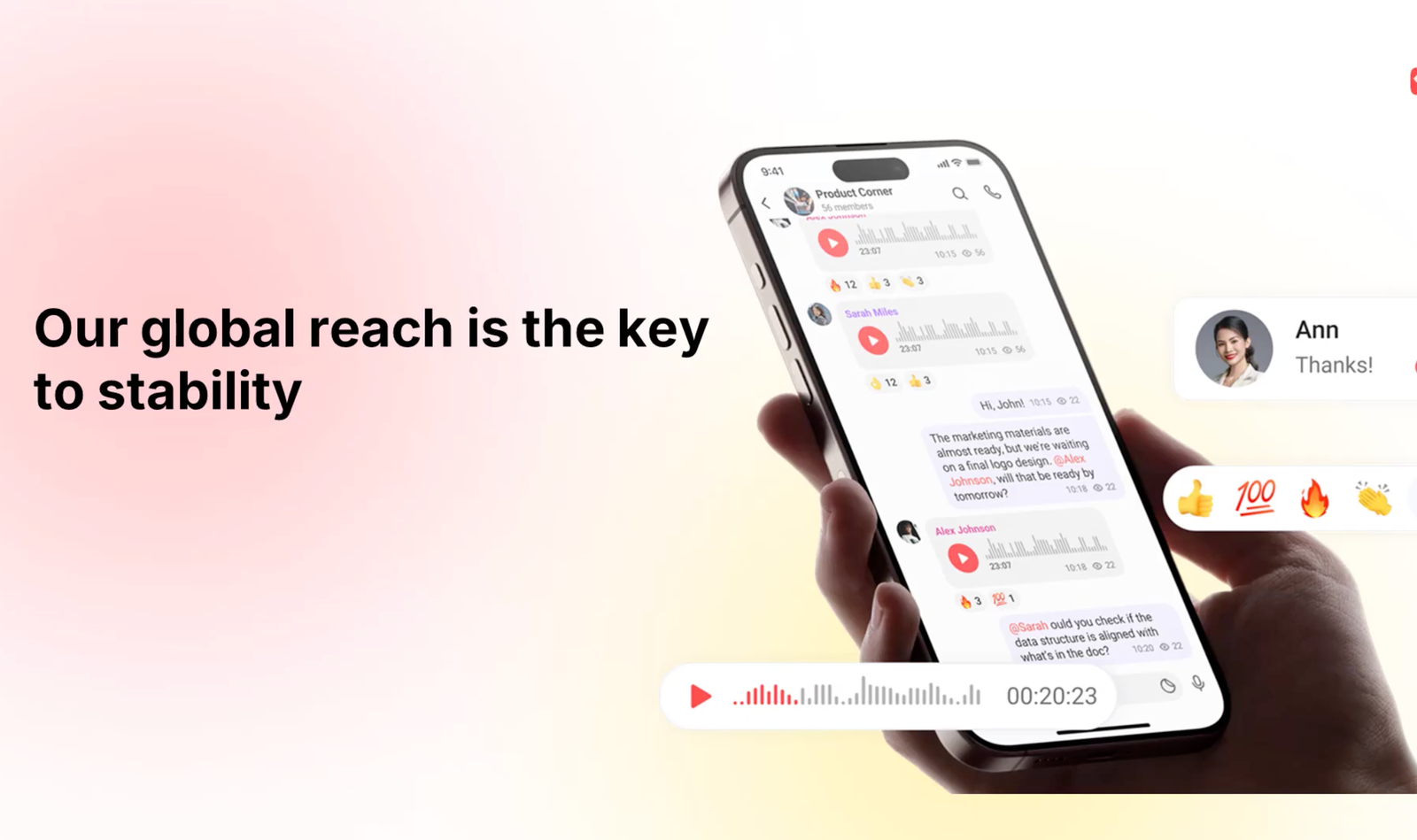
The global platform already exists, operating in 196 countries with over 50 million downloads. The solution is to enable users to purchase services regardless of what is happening politically or economically around them. Even at affordable price points, messengers that have introduced premium features have generated billions in revenue. The platform becomes the revenue engine rather than the deal pipeline.
The analogy offered at the conference is worth noting. In classical economics, there are vertically integrated companies — those that extract oil, refine it, and sell fuel — and there are intermediaries like Glencore and Trafigura, which do not extract anything but are wealthier and more flexible than the extractors. Gem Space is positioning itself as the intermediary between large language models and the average person. The LLMs were built at enormous cost by others. They need access to audiences. Gem Space provides that access — and earns from the connection.
The practical implementation of this is specialized prompts — combinations of instructions and contexts that enable AI models to serve specific user needs effectively. Entire industries of prompt engineering have emerged. Gem Space is developing these prompts for use with American, Chinese, and Russian models alike. Users will not need to write prompts themselves. They will use the AI agent and achieve the result they need.
The New Function of Capital — And Why the Platform Matters
One of the most conceptually substantial sections of the August 17th conference addressed something beyond product and tactics: the changing function of money itself.
Money historically performs several functions. It serves as a medium of exchange. It stores value. It accumulates and transfers wealth across time. The problem in today’s economic environment is that most of these functions are under pressure. The accumulation and transfer function — the ability to save money, grow it, and pass it on — is particularly compromised.
Large pension funds managing the retirement savings of millions of people — military, firefighters, civil servants — are struggling to find assets that continuously grow. The stock market fluctuates. Most developed economies are carrying debt loads that will eventually require resolution, and that resolution historically comes at the expense of the middle class and ordinary investors. The tools for preserving and growing capital are becoming fewer and less reliable.
The argument made is that a co-ownership stake in a platform like Gem Space serves the accumulation function that traditional financial instruments are increasingly failing to provide. Its value depends not on stock market sentiment, but on concrete measurable factors: the cash flow generated on the platform, the number of users, and how the platform grows across different regions. These are not speculative inputs — they are operational realities that the company reports on weekly.
At a moment when an extraordinary volume of global information is creating what was described as a “borderline state” — an information overload that destabilizes people’s sense of the future — the practical response offered is to focus on building something concrete with clear outcomes. The platform exists. The legal framework exists. The tools are being launched. The path forward is defined.

Looking Ahead: September
The schedule outlined for the remainder of August and into September includes briefings on August 24th, August 31st, and a news conference in September. September itself is the month in which the PayGem wallet and Gem Premium subscription are both targeted for launch — the two developments that will convert the theoretical monetization model into actual financial flows.
Stay informed — join our Angels Team channel in Gem Space.
Comments are closed