Three releases went out across May and June — on May 20th, May 28th, and June 9th respectively. While these were largely focused on bug fixes and stability improvements, two significant features deserve specific attention.
The first is webinar functionality, which launched on June 9th. This is now live across both B2C and B2B products simultaneously. Within the Gem Space call service, webinars introduce a clear distinction between speakers and listeners, with appropriate permissions assigned to each role. Audio from video demonstrations and screen sharing is being actively improved and will be expanded in upcoming releases.
The second significant feature is the user points system — an anti-fraud and anti-spam mechanism. Every user account is assigned a starting point balance. For users who engage with the platform normally and within its rules, points accumulate over time. For accounts that engage in spam — mass messaging, suspicious link sharing, and similar behavior — points are deducted rapidly. New spam accounts will run out of points after just two or three messages and must wait for their points to replenish before they can continue. This effectively blocks the kind of uncontrolled mass-messaging behavior that legitimate users have been experiencing. The system is already live.
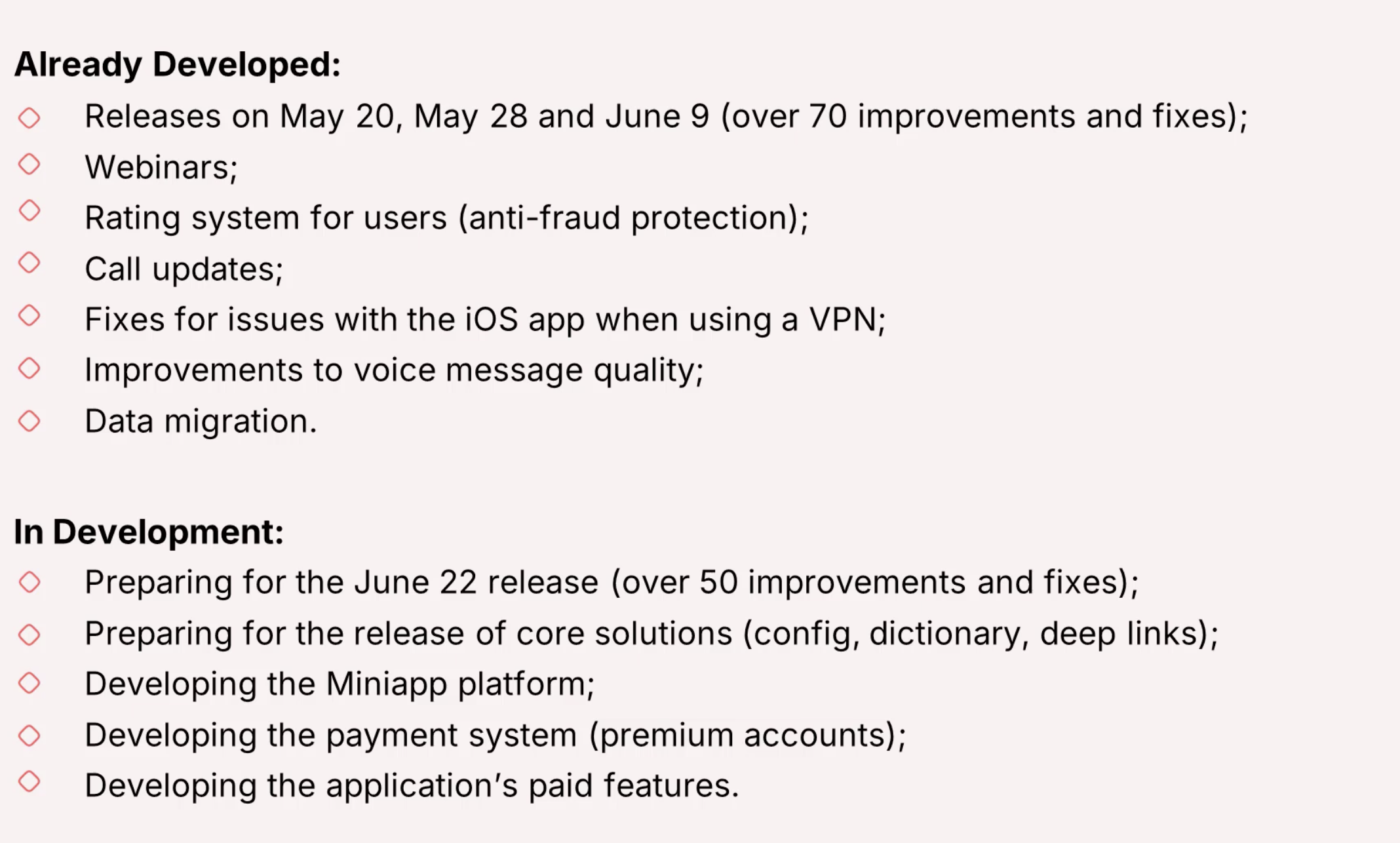
Additional improvements in the recent releases include fixes for call disconnections when using VPN across different regions, improved voice message quality, and more than 70 total improvements and fixes across all platforms.
Data migration from Google infrastructure to Gem Soft’s own storage has also continued seamlessly — with the process going completely unnoticed by users, which is exactly the goal.
The next release is scheduled for June 22nd — a substantial update with over 50 improvements across all platforms.
Architecture Transformation: Mini Apps, Payments, and Premium Accounts
For the first time, the application’s system and architecture are undergoing a significant transformation. New services are being released that form the technical foundation for the monetization roadmap.
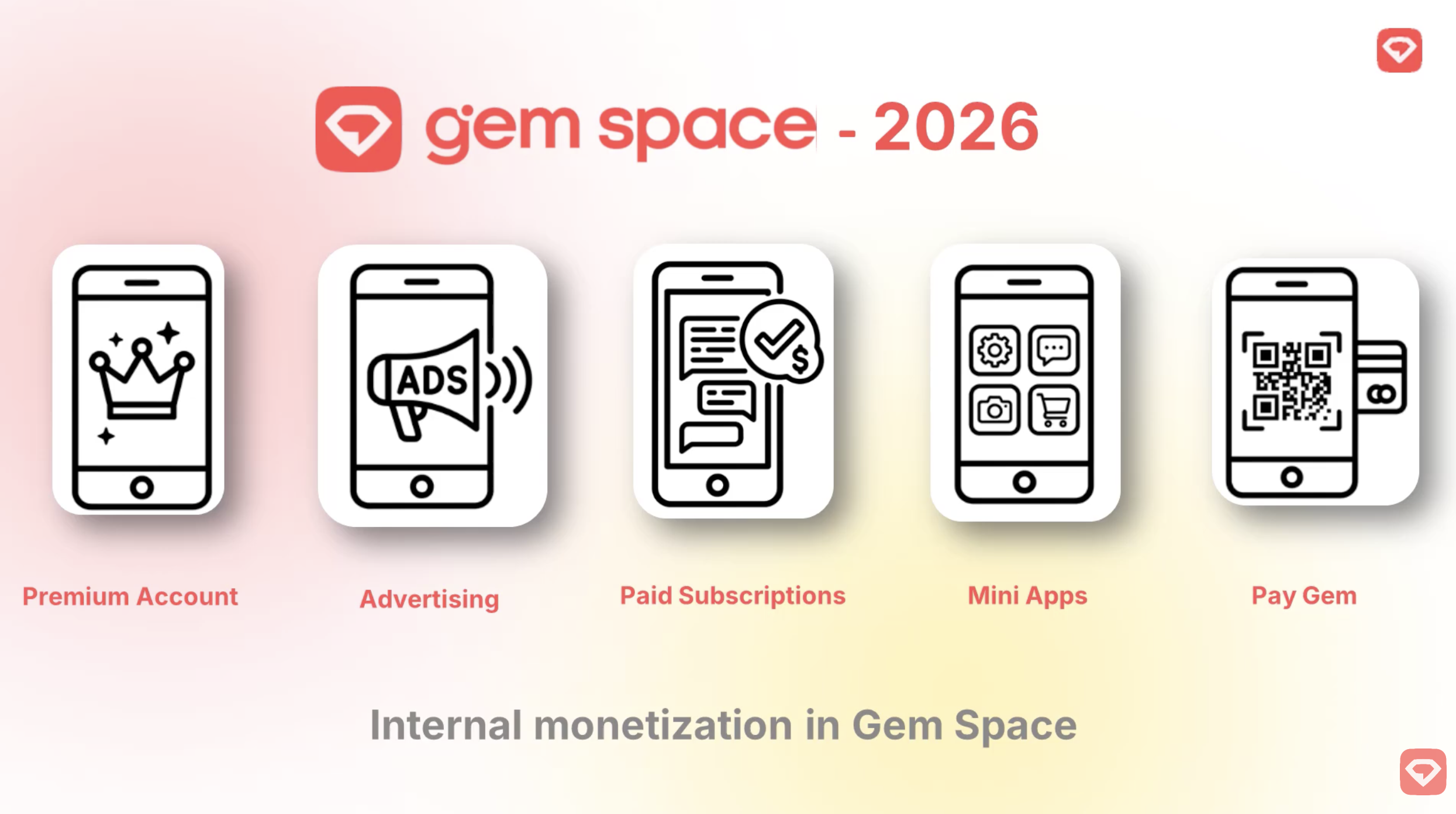
The mini-app platform is in active development — a system that will allow third-party developers to build and distribute their own products through the Gem Space Super App. The payment infrastructure is being built in parallel, enabling actual payment transactions within the platform. And Premium Accounts are in development — the team is actively deciding which features will sit behind the premium tier, with the goal of giving users a range of compelling options that justify the subscription.
The first monetization products are expected to begin appearing in the first half of July.
Gem Team 3.0: A Platform-Scale Release
Version 3.0 of Gem Team shipped across all platforms and represents the most significant update in the product’s history. The scope of changes was so extensive that virtually every part of the codebase was touched.
Key additions in the 3.0 release include end-to-end P2P message encryption — device-to-device encryption that cannot be decrypted by external parties — webinar functionality on par with the B2C release, a full system audit feature essential for enterprise clients, and the cloud platform launch.
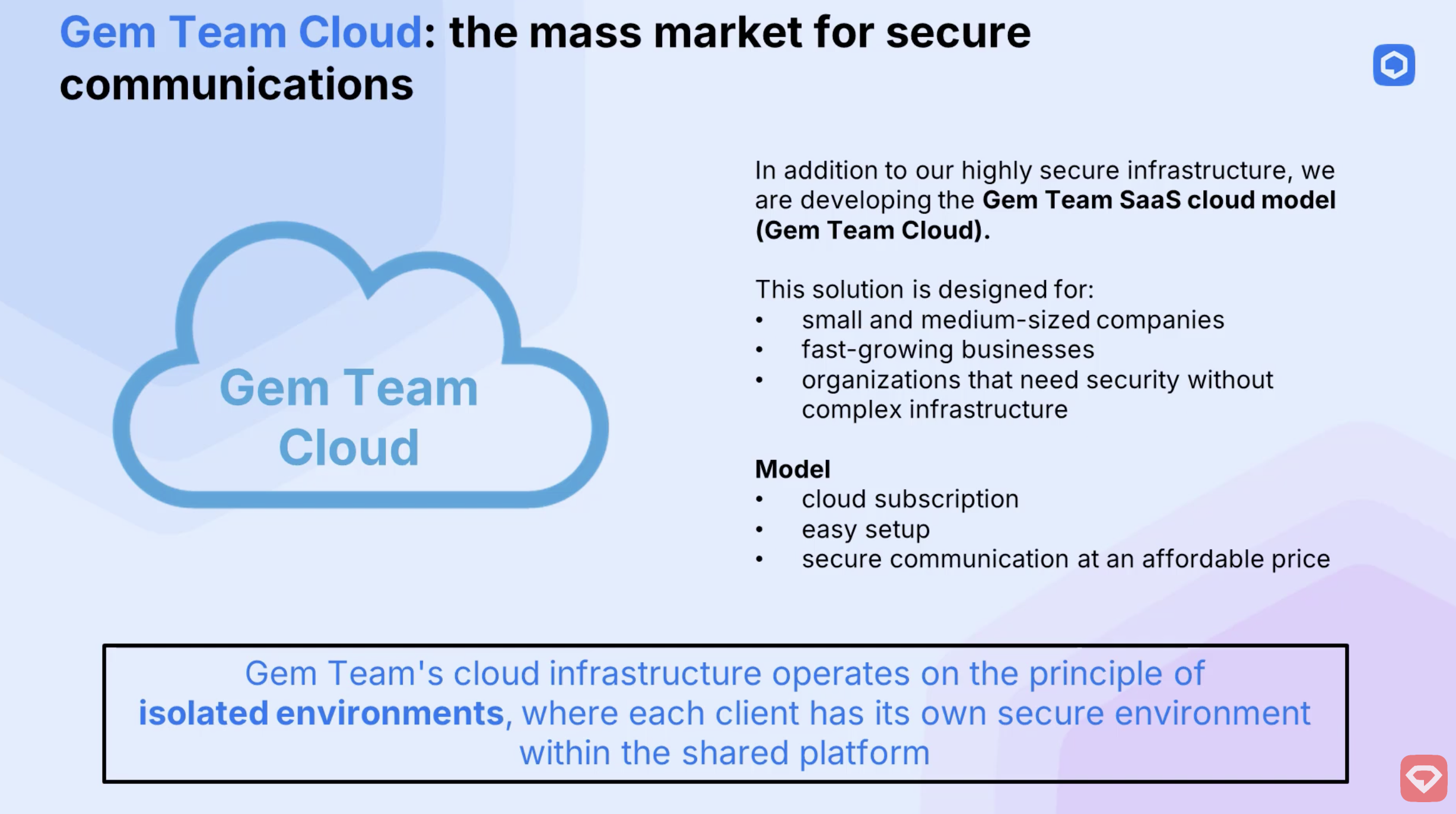
The cloud platform is a major step forward. Previously, Gem Team was installed directly on a client’s own servers. Now, Gem Soft operates its own server infrastructure on which companies can register, set up their workspace, and immediately begin communicating and collaborating — without needing to manage hardware themselves. The 3.0 release also introduced a built-in payment system for license management, allowing partners to pay for, renew, and adjust their licenses directly from within the admin panel.
Smaller but frequently requested features also shipped in 3.0: delayed message sending and marking messages as unread — both standard in mature corporate messengers and now available in Gem Team.
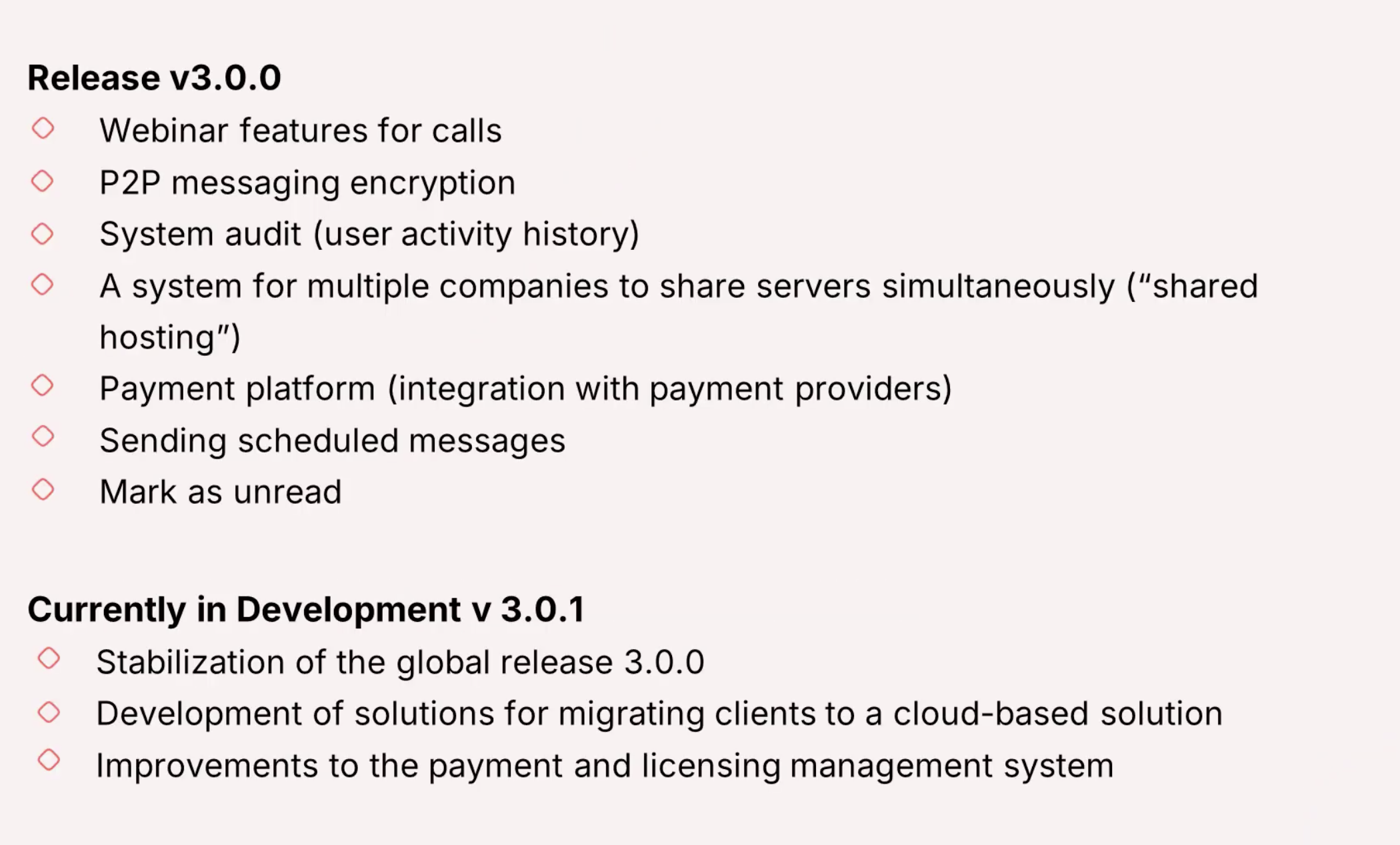
Version 3.0.1 is in preparation as a stabilization release, incorporating feedback from cloud solution testing and client usage. Ongoing improvements to the payment system UI and admin functionality are also planned for upcoming releases.
Strategy in the GCC and MENA Regions
An update was shared on the company’s positioning in the Gulf and broader MENA region.
The strategic logic behind focusing on this region was reaffirmed. It combines two critical factors: a high concentration of available capital, and a notable absence of domestically developed IT infrastructure. The most valuable asset any country can possess — more than energy security, food security, or military capability — is control over its own information exchange infrastructure. That is the core of what Gem Space offers.
Qatar and Saudi Arabia serve as the primary entry points, with both functioning as financial hubs that support and influence the broader region. The strategy is built around brand recognition and demonstrating the concrete impact of Gem Space’s technologies on information security — with negotiations and sales funneling outward from these anchor markets.
The instability that began in the Gulf in late February slowed some processes that had already been initiated. However, the team remains on the ground and active, and the expectation is that everything built before the instability began will come to fruition as conditions stabilize.
On the Question of User Growth
A direct question on what the company is doing to accelerate user growth was addressed in detail.
Two mechanisms drive user acquisition. The first is paid traffic — advertising campaigns across multiple countries that bring users to the platform, with some staying and some leaving. This requires significant financial investment and is not the primary path given current resources.
The second — and the path the company has chosen — is building monetization tools that create organic growth driven by the platform itself. When users can earn money through the platform — by selling products and services, creating content, and building audiences — they naturally invite others. Those others arrive to buy, which attracts more sellers, which attracts more buyers. This self-reinforcing loop is what PayGem, the mini-app platform, the advertising layer, and premium accounts are all designed to enable.
Premium accounts are targeted for launch in September. As all of these tools come online, the company anticipates a significant influx of users that will be driven by the platform’s own momentum rather than by paid acquisition.
The Marketplace Question
A question was raised about the digital marketplace project that was developed and showcased some time ago but has since stopped being discussed publicly.
The answer is straightforward. The marketplace project is not dead — it has been redirected. The team concluded that a standalone marketplace is difficult to scale beyond a single country and limited in its global potential. The mini-app platform is a far superior vehicle — it can host many marketplaces simultaneously, can be sold as a ready-made product to multiple countries, and is far more scalable. The marketplace concept lives on inside the mini-app platform, which is targeted for launch by the end of this month.
The Google Play Counter
A request was made for regular updates on the Google Play installation count. The confirmed figure as of June 15th is approximately 42 million Android installs. The team committed to tracking and sharing this figure weekly, given the significance of crossing the 50 million threshold on Google Play specifically — a milestone that will materially strengthen the company’s negotiating position in regional and global sale discussions.
The SpaceX Parallel: What It Means for Gem Space
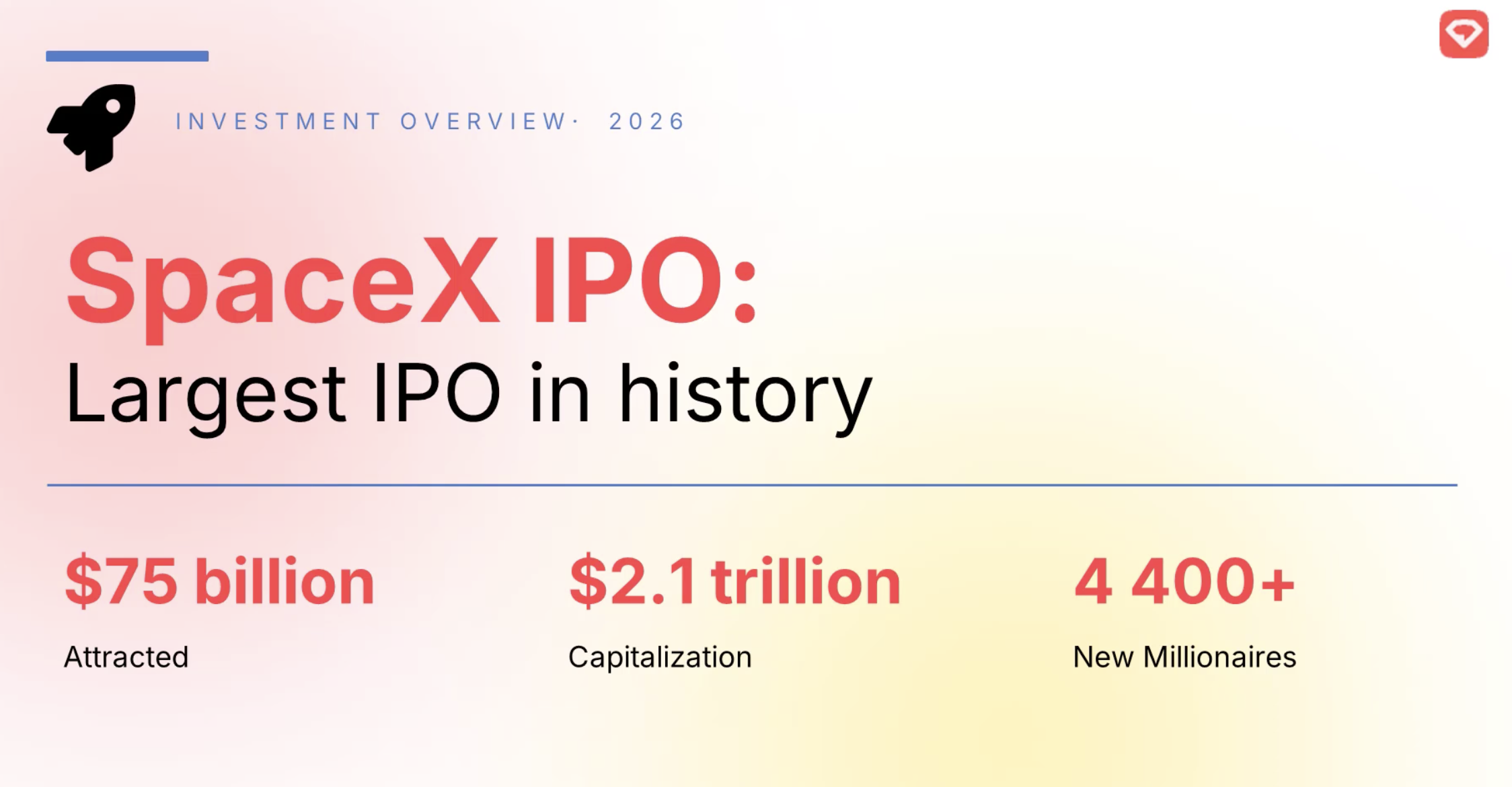
The SpaceX IPO — the largest in history — was addressed at length, not as a celebration of Musk’s wealth, but as a directly relevant case study.
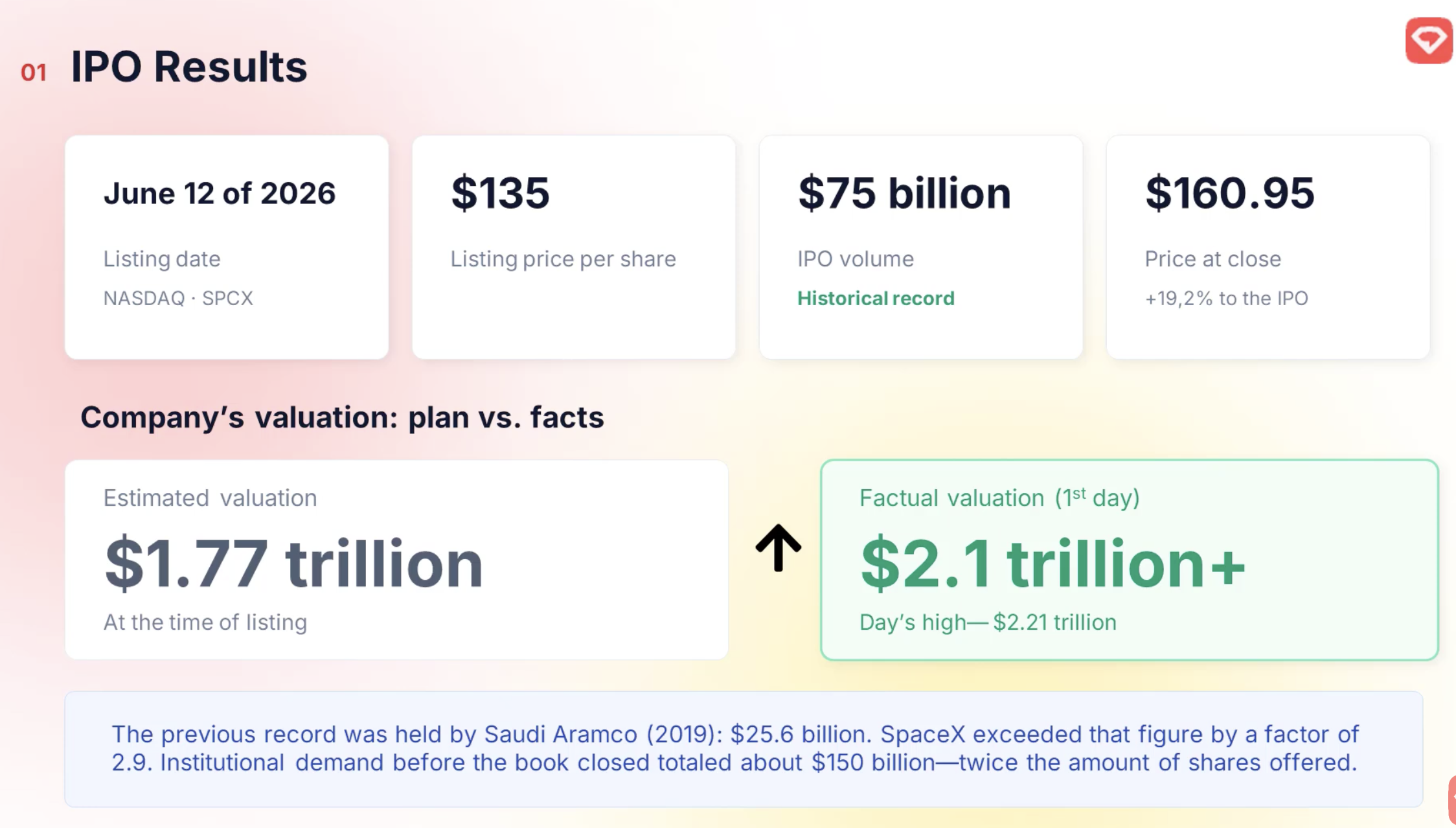
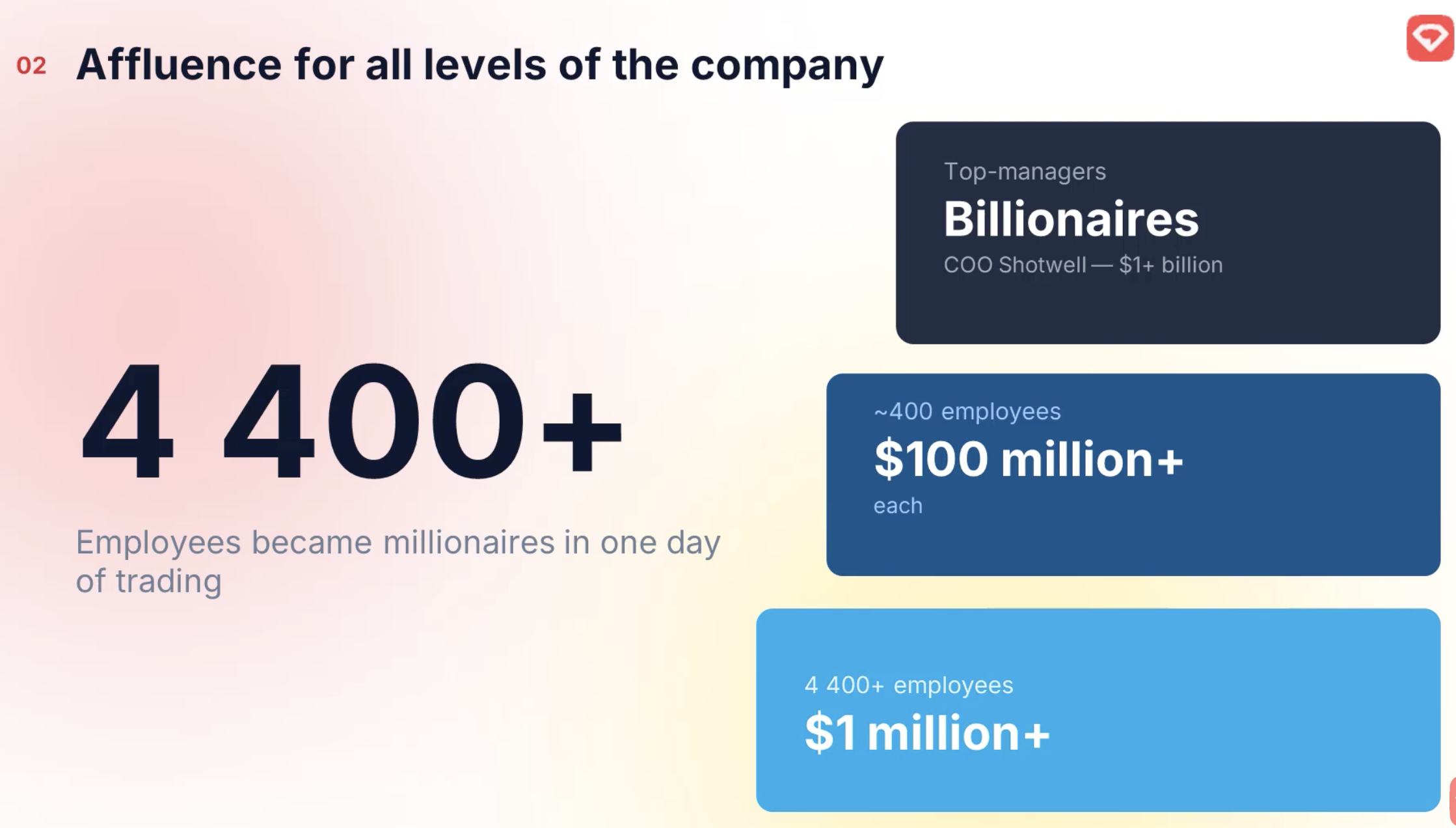
SpaceX went public at $135 per share, with the final trading price coming in at approximately $161 and the company’s valuation reaching $2.1 trillion. Elon Musk became the wealthiest person in the world. But the most relevant numbers for this discussion are these: 4,400 employees became millionaires in a single trading day. Among them, 400 received more than $100 million each.
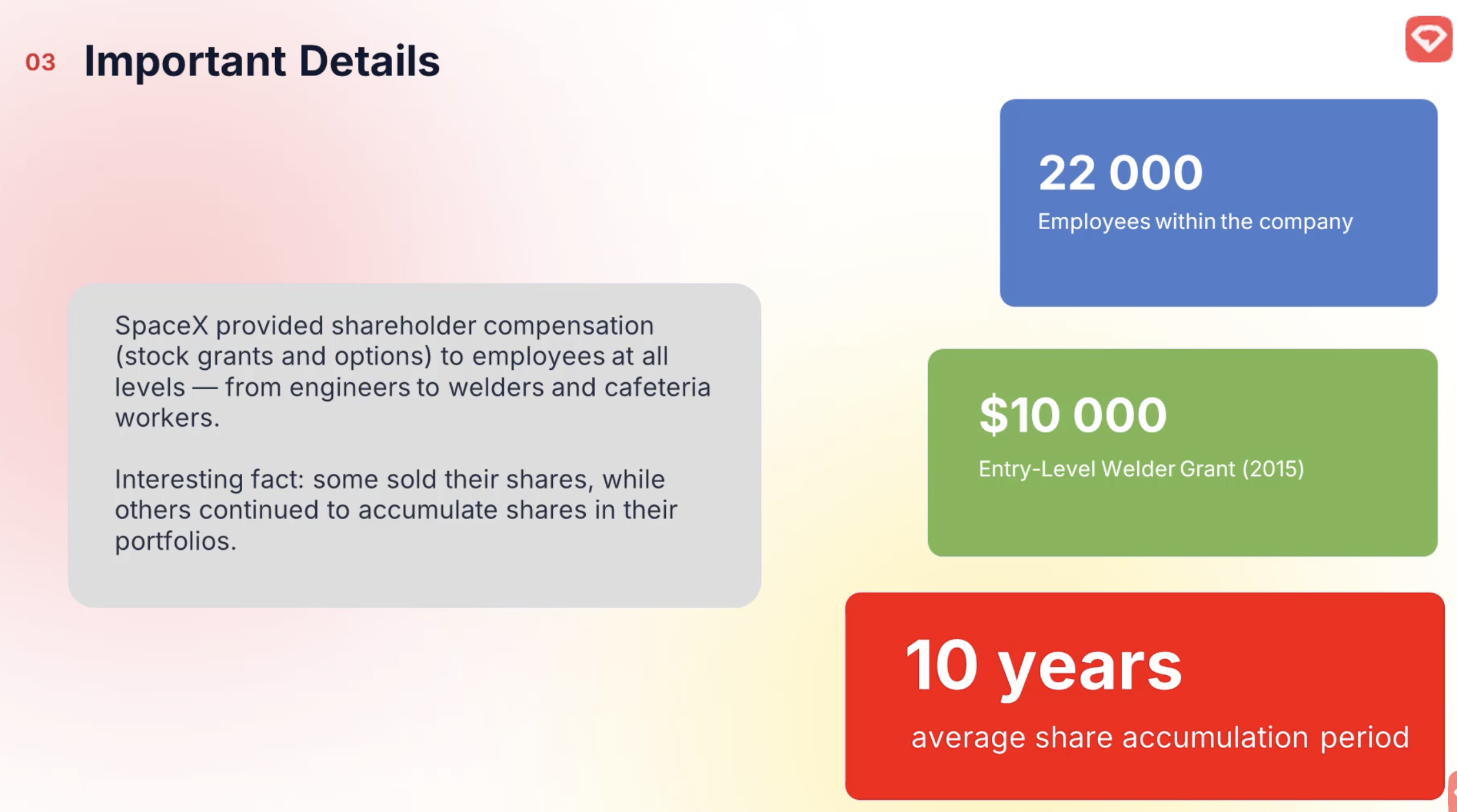
How did this happen? SpaceX had 22,000 employees in total, all of whom either received company shares directly or had the opportunity to participate in stock option programs — the right to purchase shares at a discount of 25 to 30 percent. Those employees who participated in the programs, held their shares through the lock-up period, and did not sell at the first opportunity are exactly the ones who became millionaires.
Two stories in particular stand out. Trevor Hayes, an engineer who joined SpaceX after college despite his parents’ objections, accumulated 100,000 shares over time. At 37 years old, those shares became $13.5 million — effectively making him semi-retired. And Juan Hernandez, a welder hired at $28 an hour who received $10,000 in company shares as part of his compensation. He spent some of them, but 6,500 remaining shares became more than $1 million during initial trading.
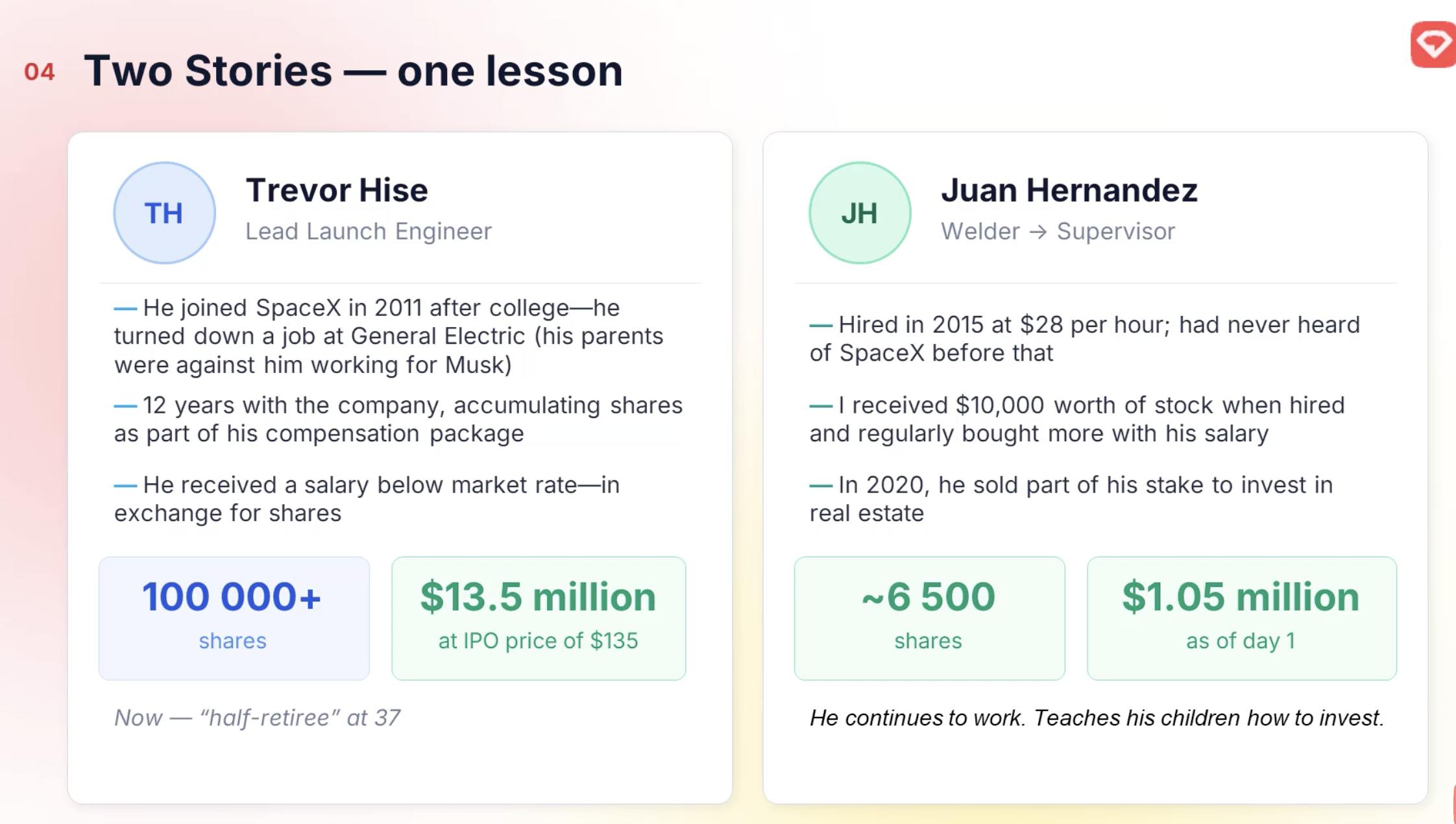
What makes these stories significant is not that people received extraordinary inside information or had special access to Musk. The vast majority of those 4,400 millionaires saw Musk only on TV, just like everyone else. SpaceX was a private company from 2002 to 2026 — 24 years — and never publicly disclosed its financials during that entire period. Those who became wealthy simply believed in the project, showed up, did their work, and held their shares.
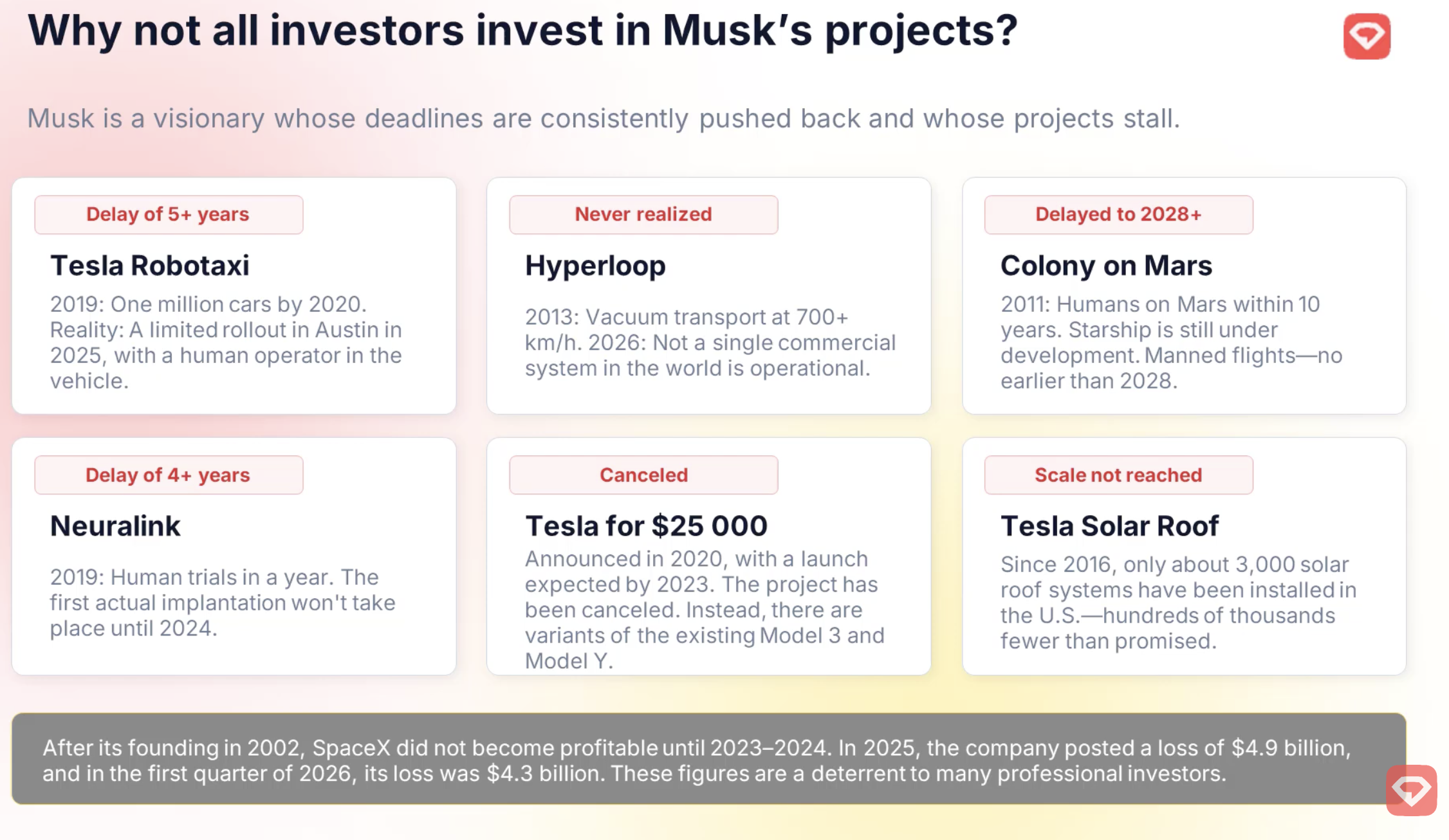
It is also worth noting that SpaceX was not a smooth, obvious winner. The company showed nearly $5 billion in losses before its IPO, and more than $4 billion in losses in the first quarter of 2024 alone. Musk promised a Mars colony by 2011 — it has not happened. He promised $25,000 Teslas — they have not been released. He promised a million robotaxis operating across America by 2020 — a small number operate in one city. Many professional investors chose not to buy SpaceX shares precisely because of these factors. Those who became millionaires were the ones who believed in the potential anyway and held on.
The parallel to Gem Space is deliberate and direct.
Over the past 10 years, more than 40 global messaging projects have been launched and shut down — not only by small companies but by giants including Google, Microsoft, Blackberry, Yahoo, and AOL. In the CIS region alone, approximately 20 global messengers have launched and disappeared. Gem Space has survived all of it — through a pandemic, through multiple global crises, through technology shifts and market changes. That survival is not trivial. It is proof of viability, resilience, and commitment.
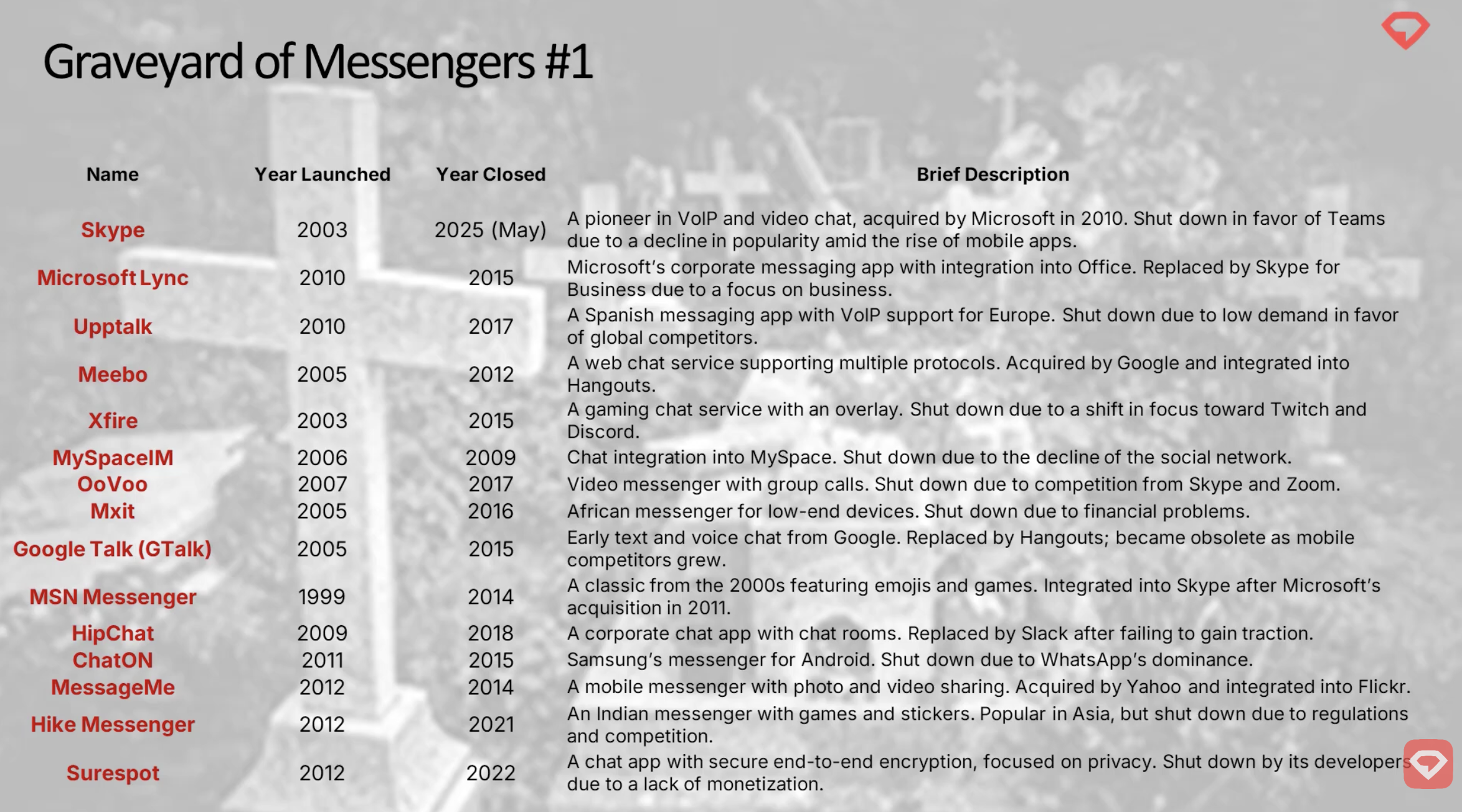
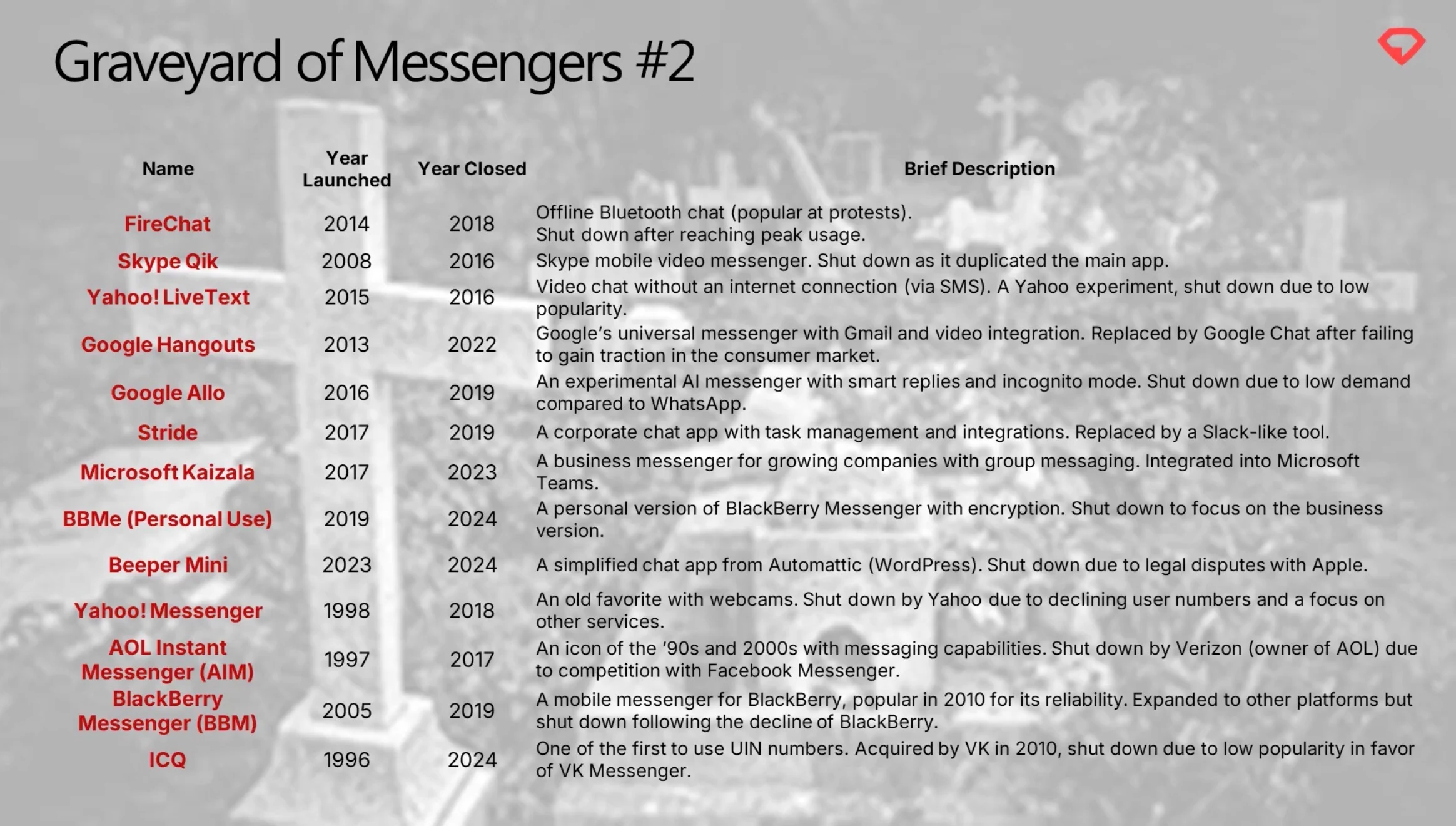
The lesson from SpaceX — and from Amazon, which endured nine years of losses before becoming a $2.5 trillion company, Salesforce with seven years of losses, Airbnb with twelve years, Uber with fourteen, Spotify with seventeen — is consistent. True value in platform companies is not built in months. It is built through patience, consistency, and the willingness to keep going when the outcome is not yet obvious.
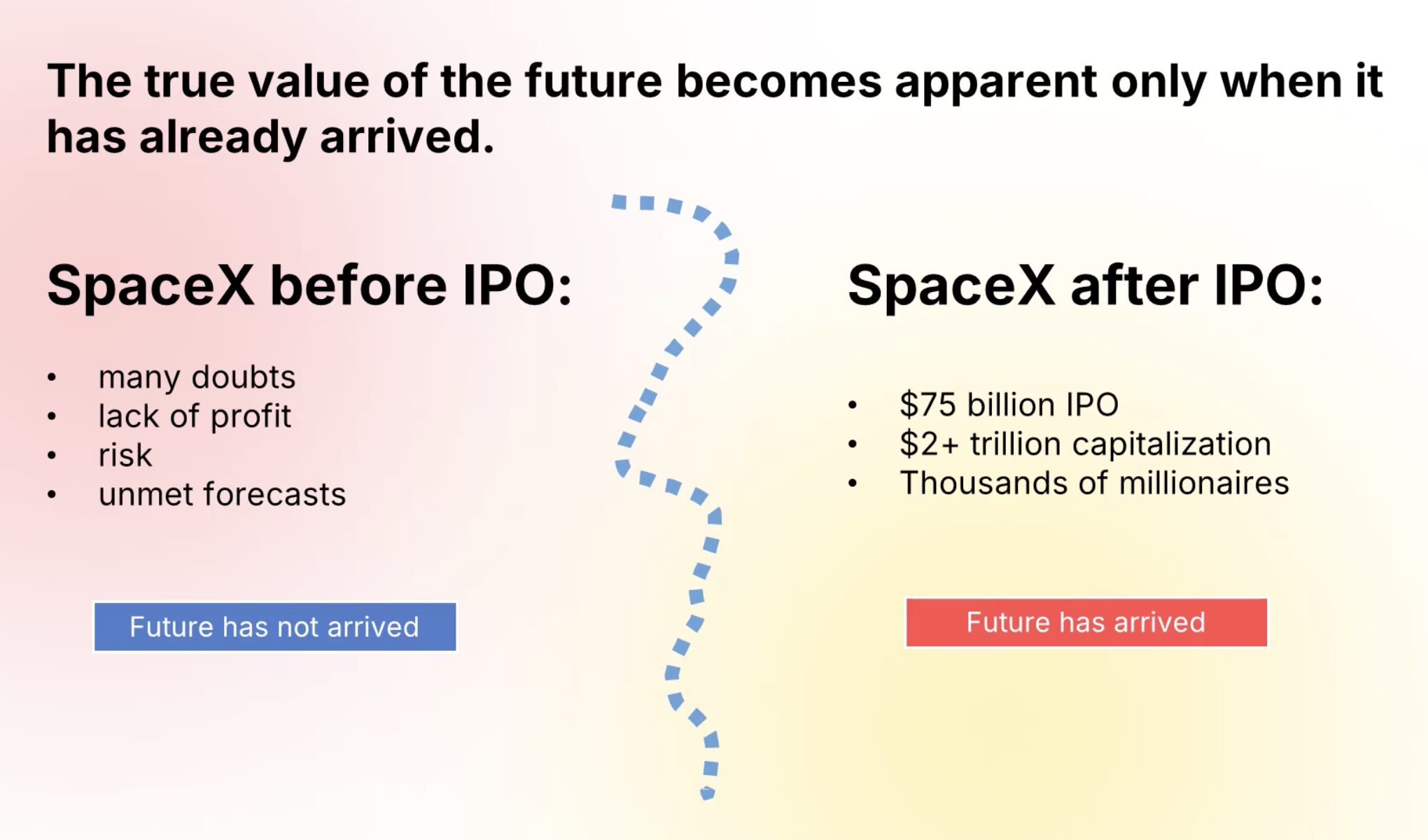
For a company to survive while showing losses, it must attract investors. And the investors who stay through the difficult years are invariably the ones who capture the most significant returns when the before and after moment arrives.
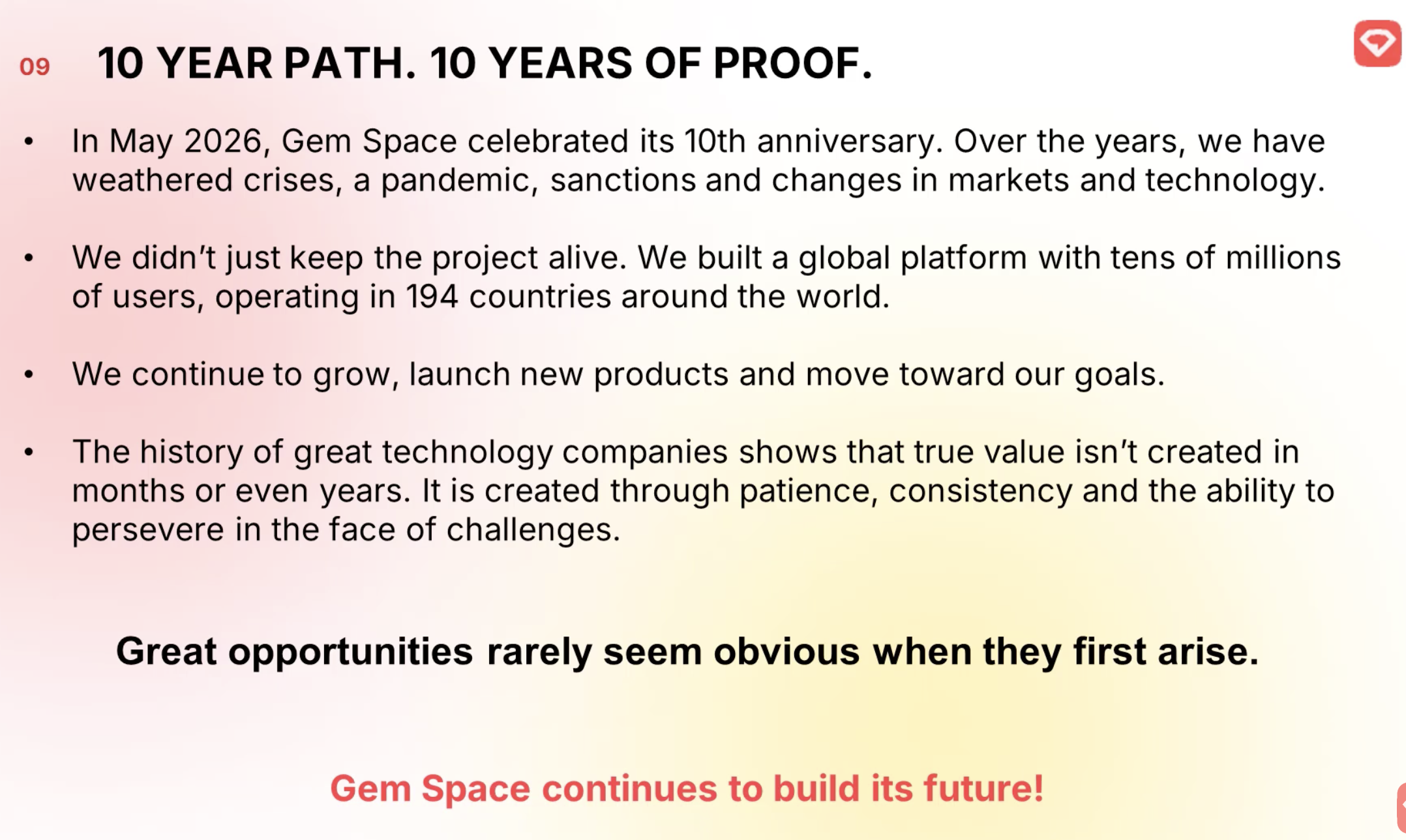
That moment, for Gem Space, is being built right now.
Stay informed — join our Angels Team channel in Gem Space.
Comments are closed