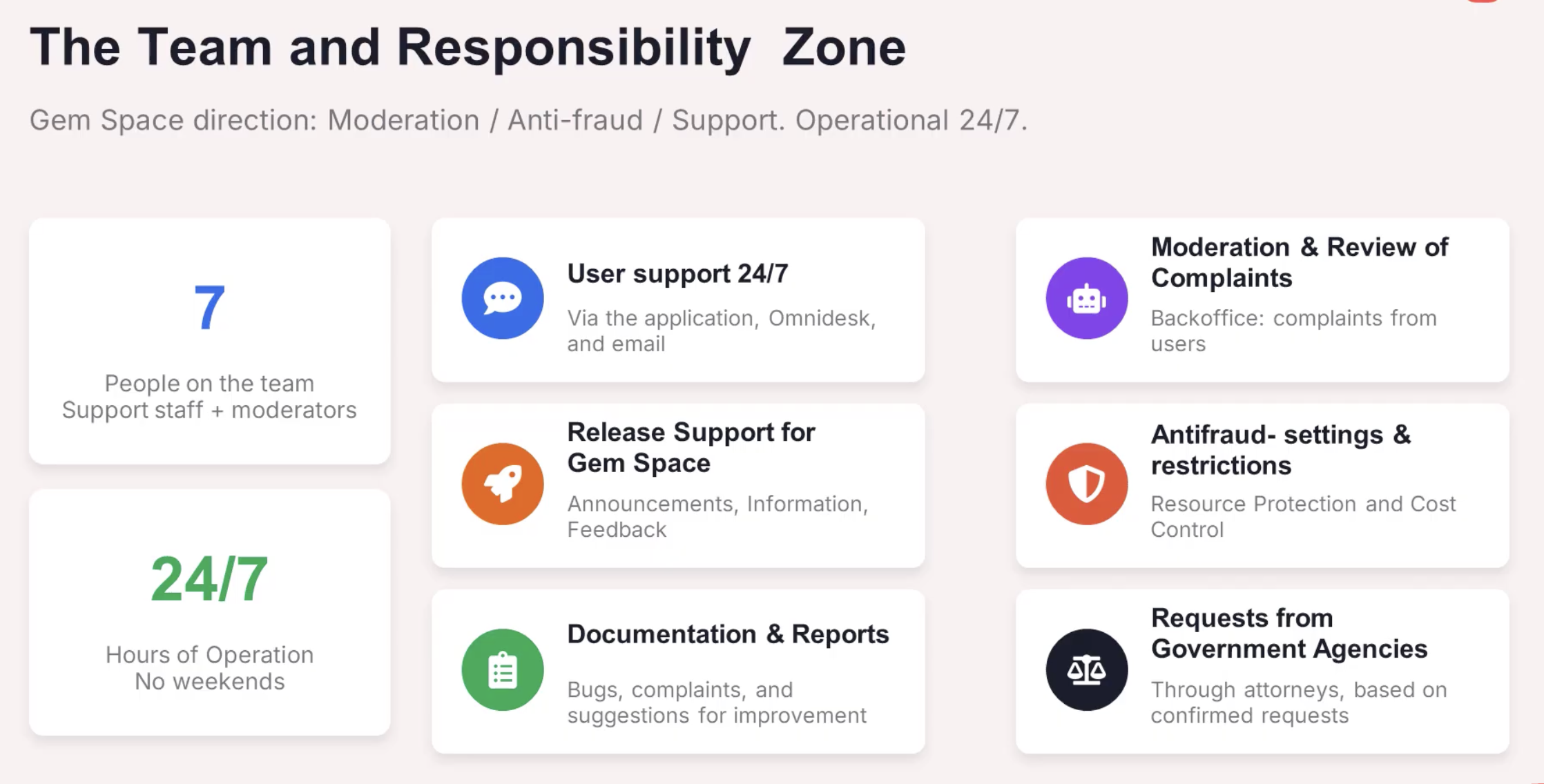
This briefing opened with a detailed presentation from the head of client service, moderation, and anti-fraud — a team of seven professionals that has been operating at Gem Space for seven years.
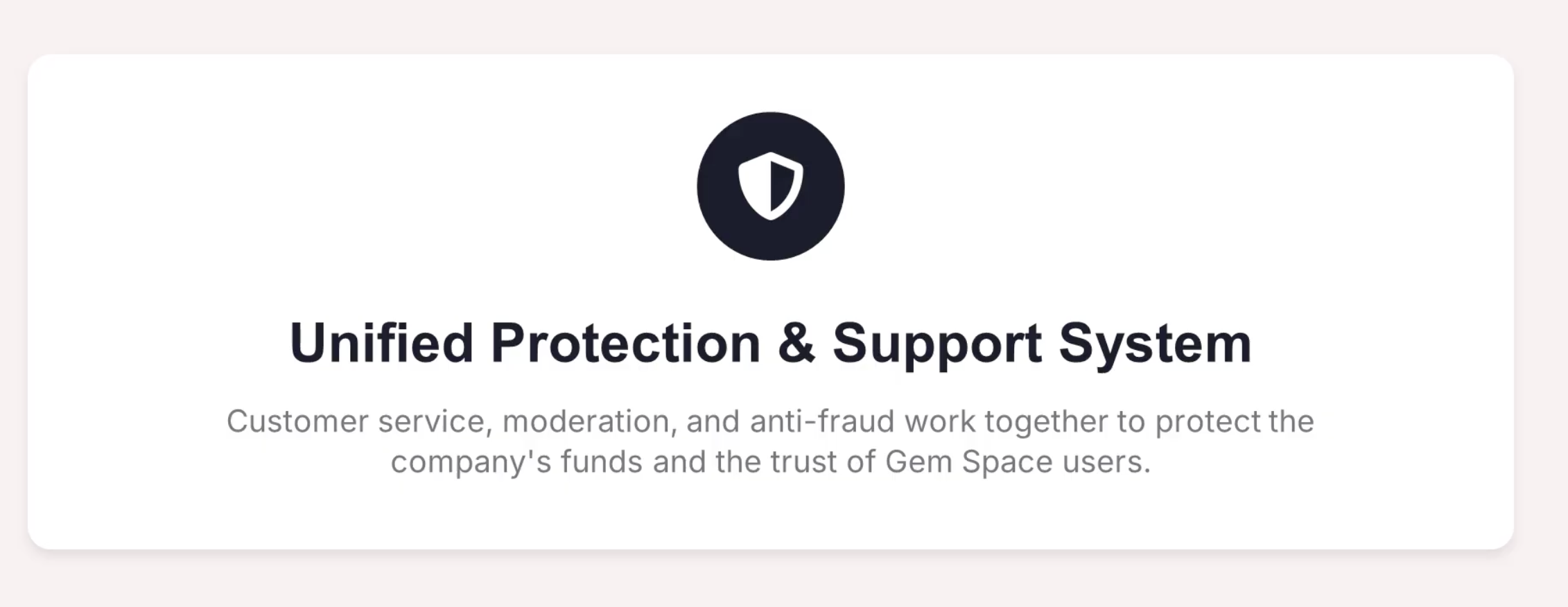
The core message was clear from the start: these are not three separate departments but one integrated product security system.
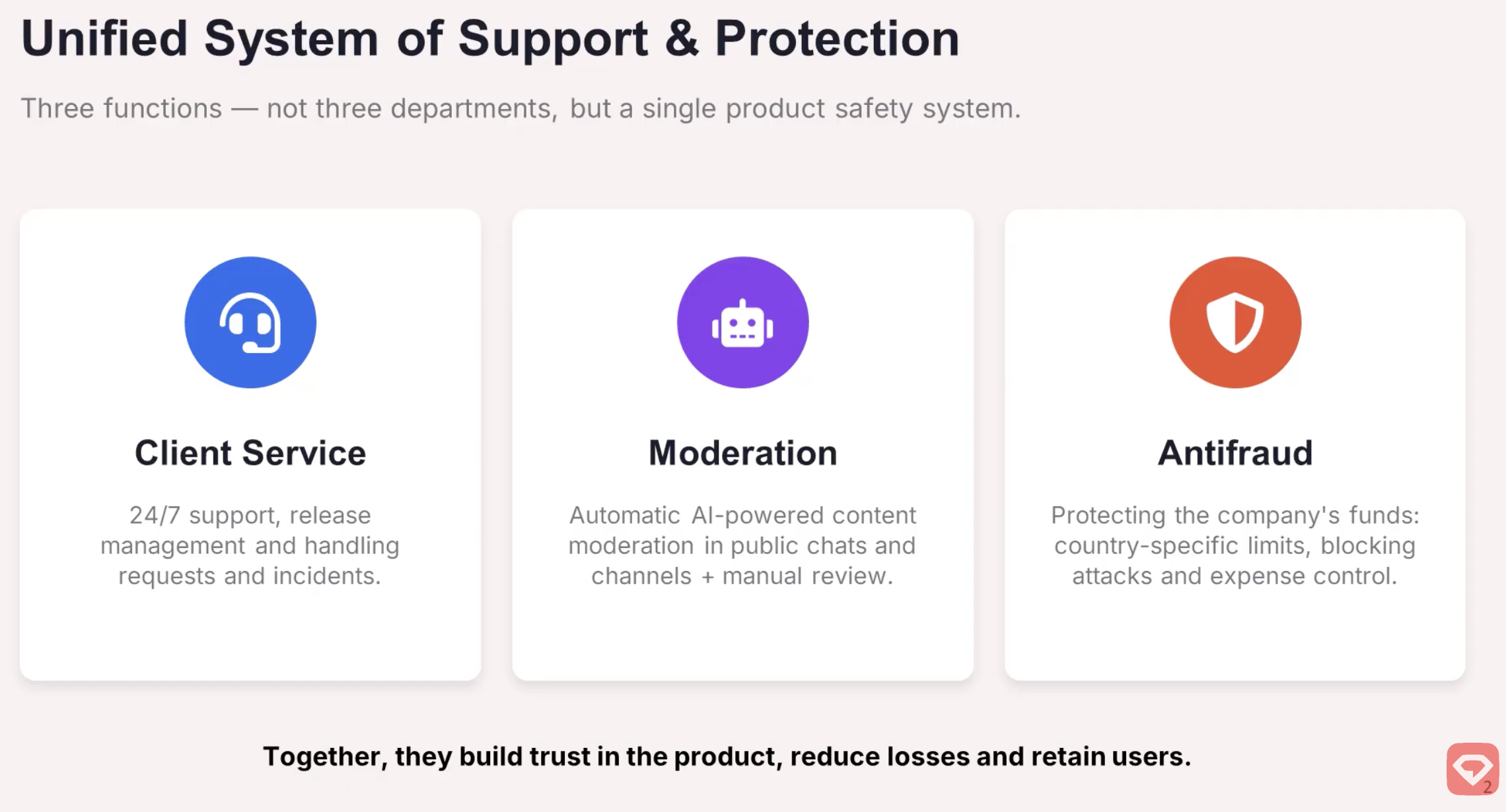
- Client service maintains communication with users and resolves issues.
- Moderation keeps the public space clean of harmful content and spam.
- Anti-fraud protects the company’s financial resources from attacks. Together, they build and maintain user trust across the entire ecosystem.
Client Service: By the Numbers
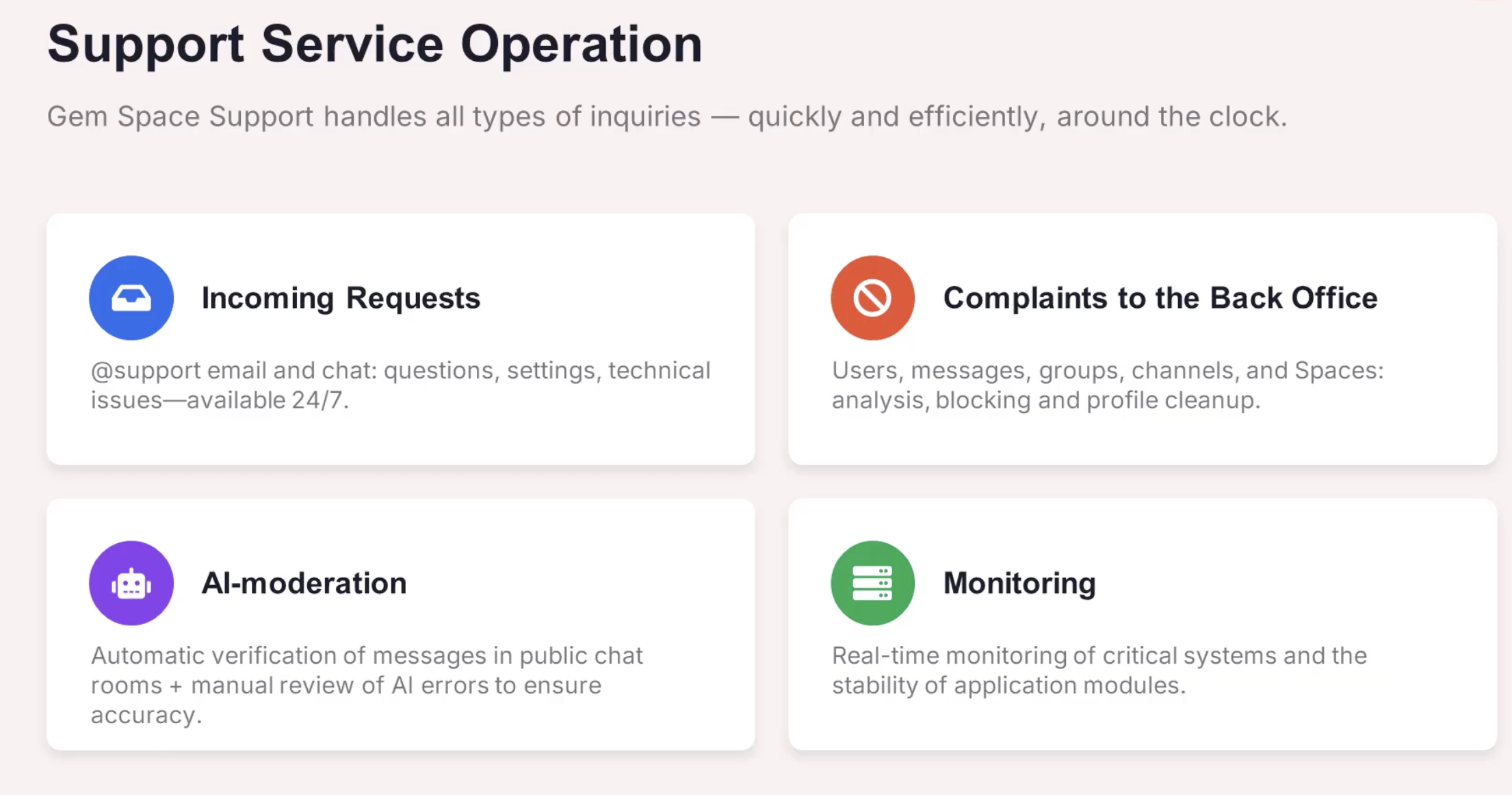
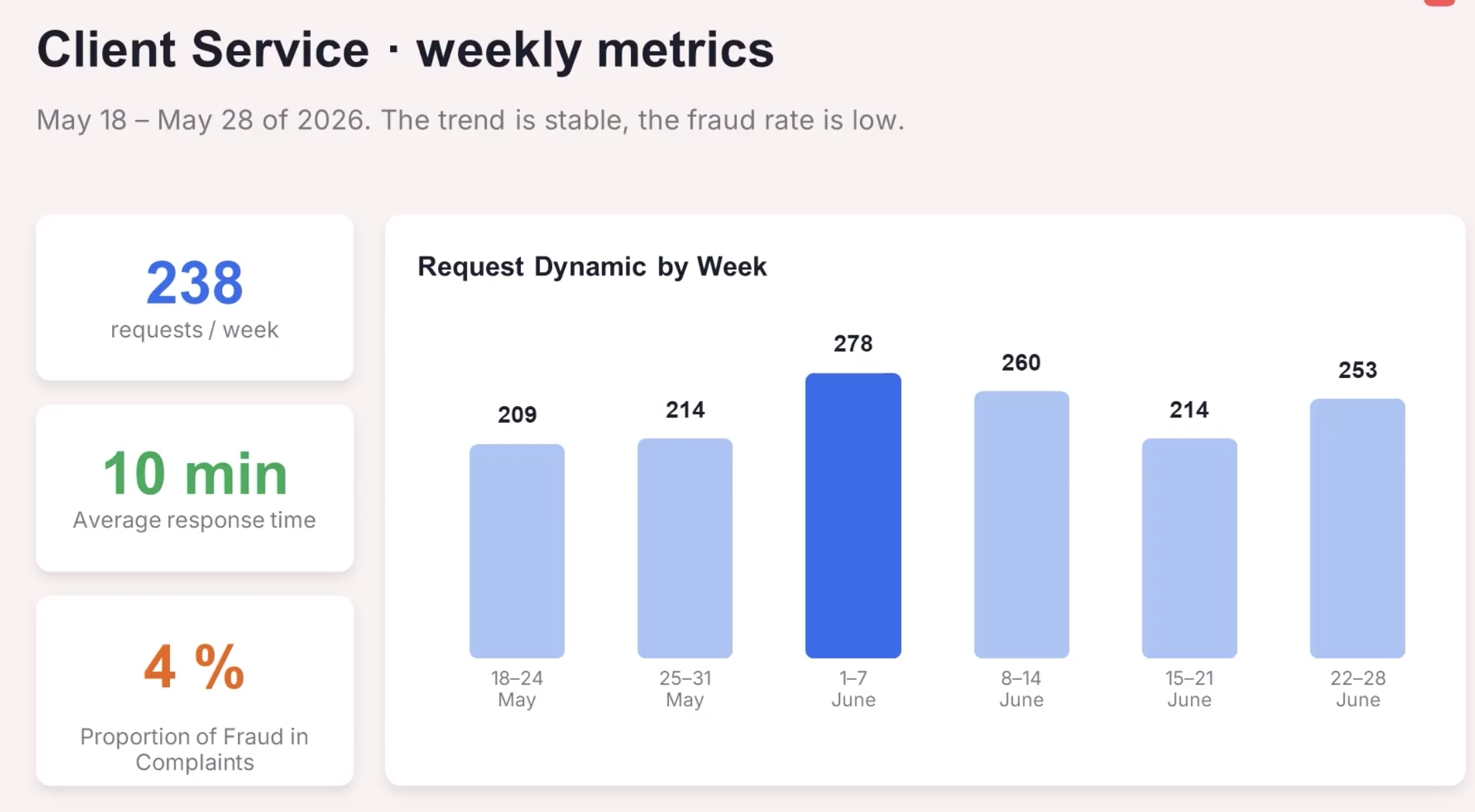
The team processes approximately 1,000 requests per month. The average first response time in chat is about 6 minutes, and up to 2 hours by email. Email responses naturally take a bit longer as those requests tend to be more complex and detailed. Weekly activity is steady and consistent — with no notable spikes — which is a clear sign of a stable product and a manageable, well-organized workload.
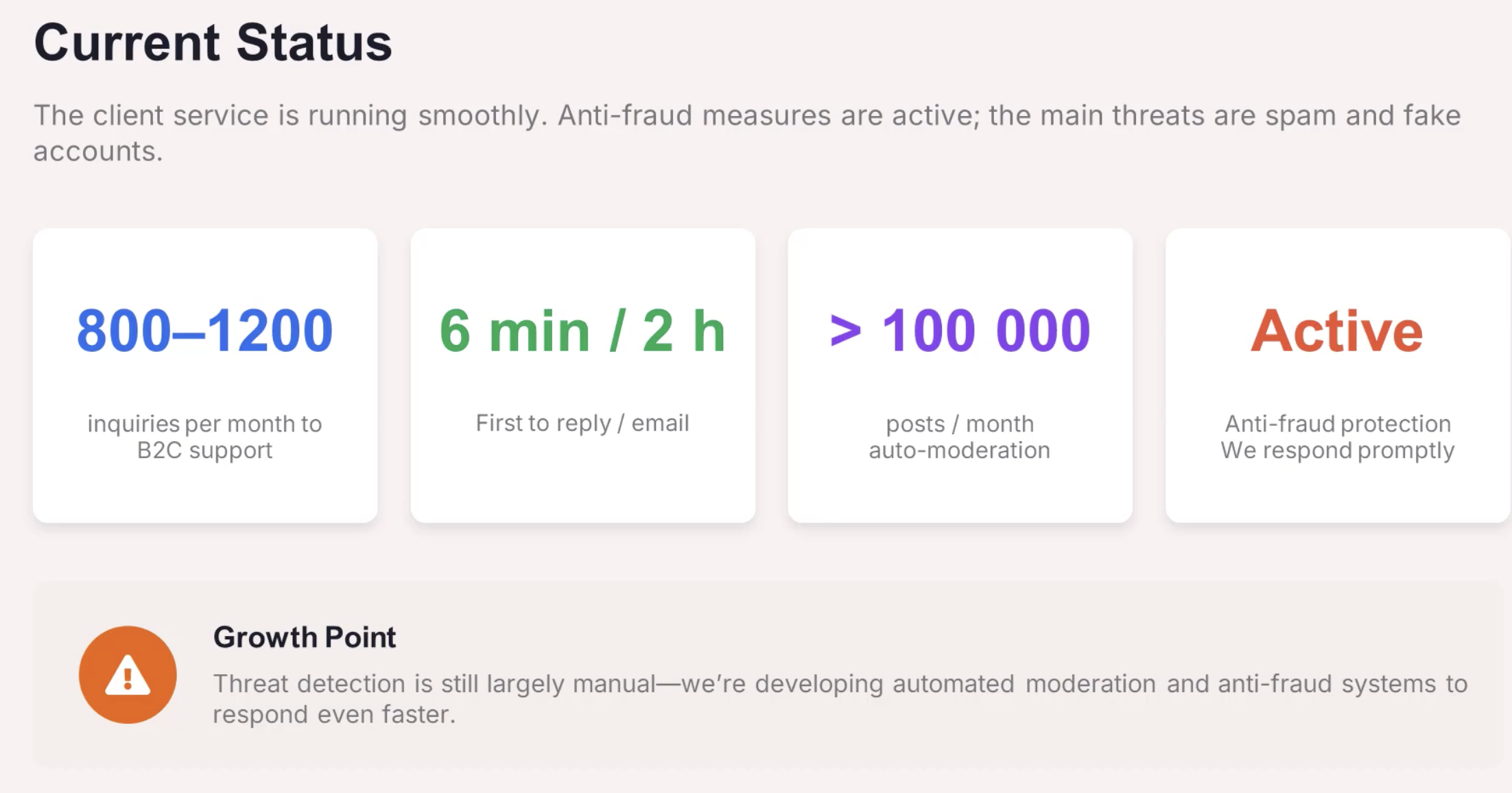
Of all requests received, only 4% relate to fraud. The vast majority are productive interactions. 59% of all requests are questions about application features and suggestions for improvements. This is a direct indicator of user engagement and trust — people come not to complain but to understand the product better and suggest how to improve it. A further 25% are technical questions covering bug investigations, call issues, network problems, notification behavior, and similar matters. The remaining 16% are atypical requests requiring more individual and involved assistance.
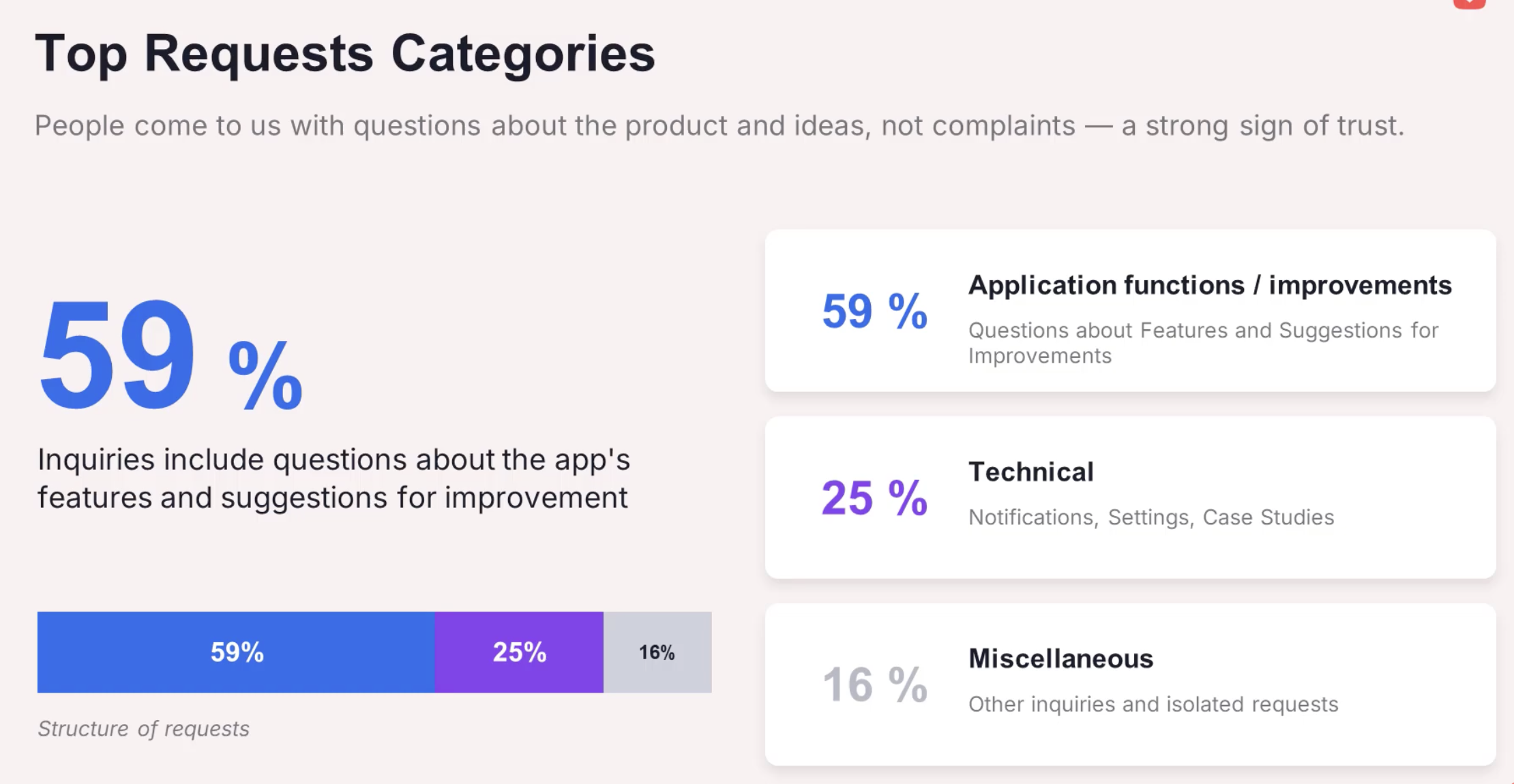
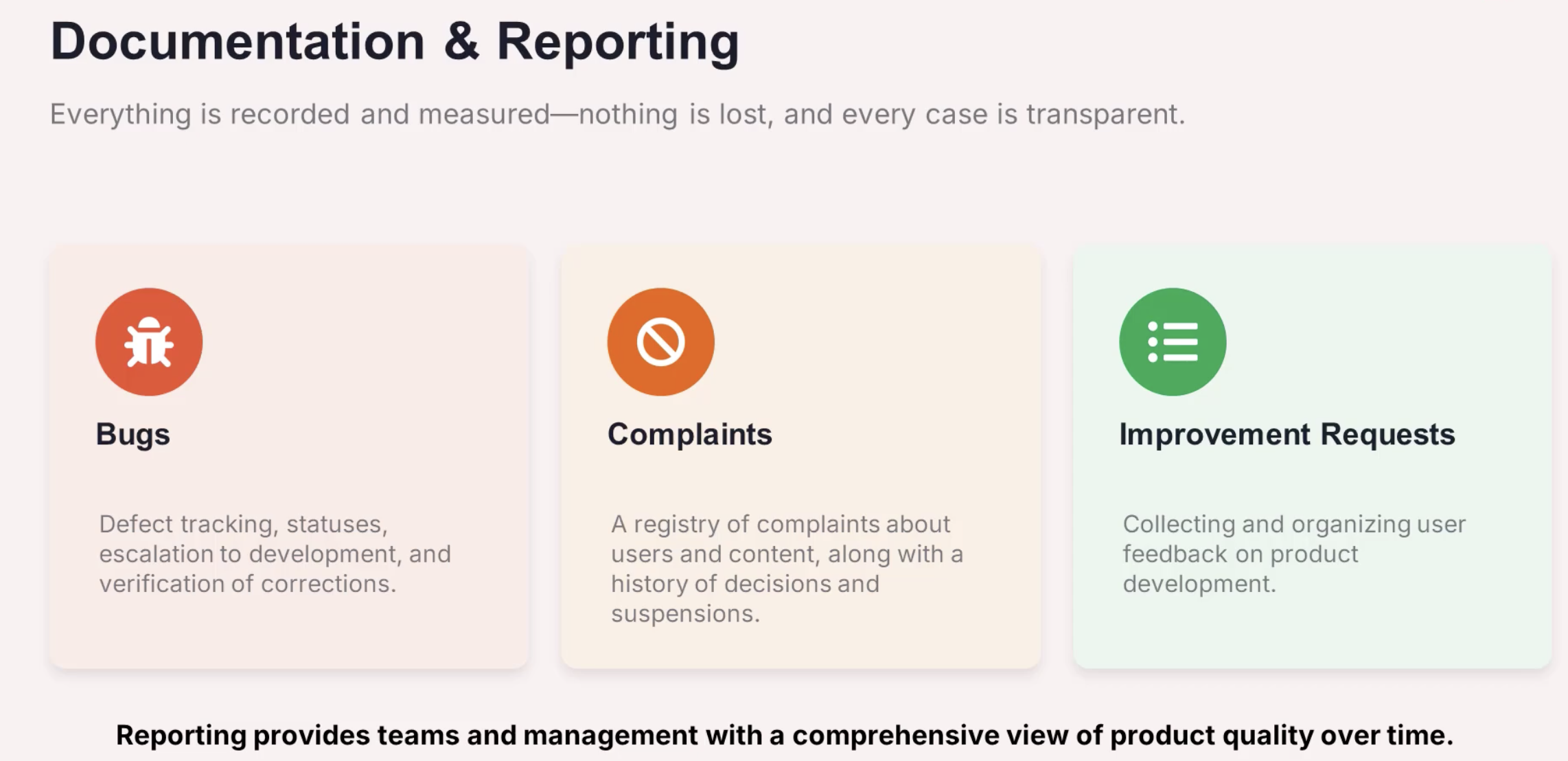
The team does not simply receive and close tickets. It manages the full cycle — reproducing and investigating reported issues, logging bugs and improvement suggestions, passing them to the development team, and following up with users after fixes are implemented to confirm resolution. Users are never left alone with their problems.
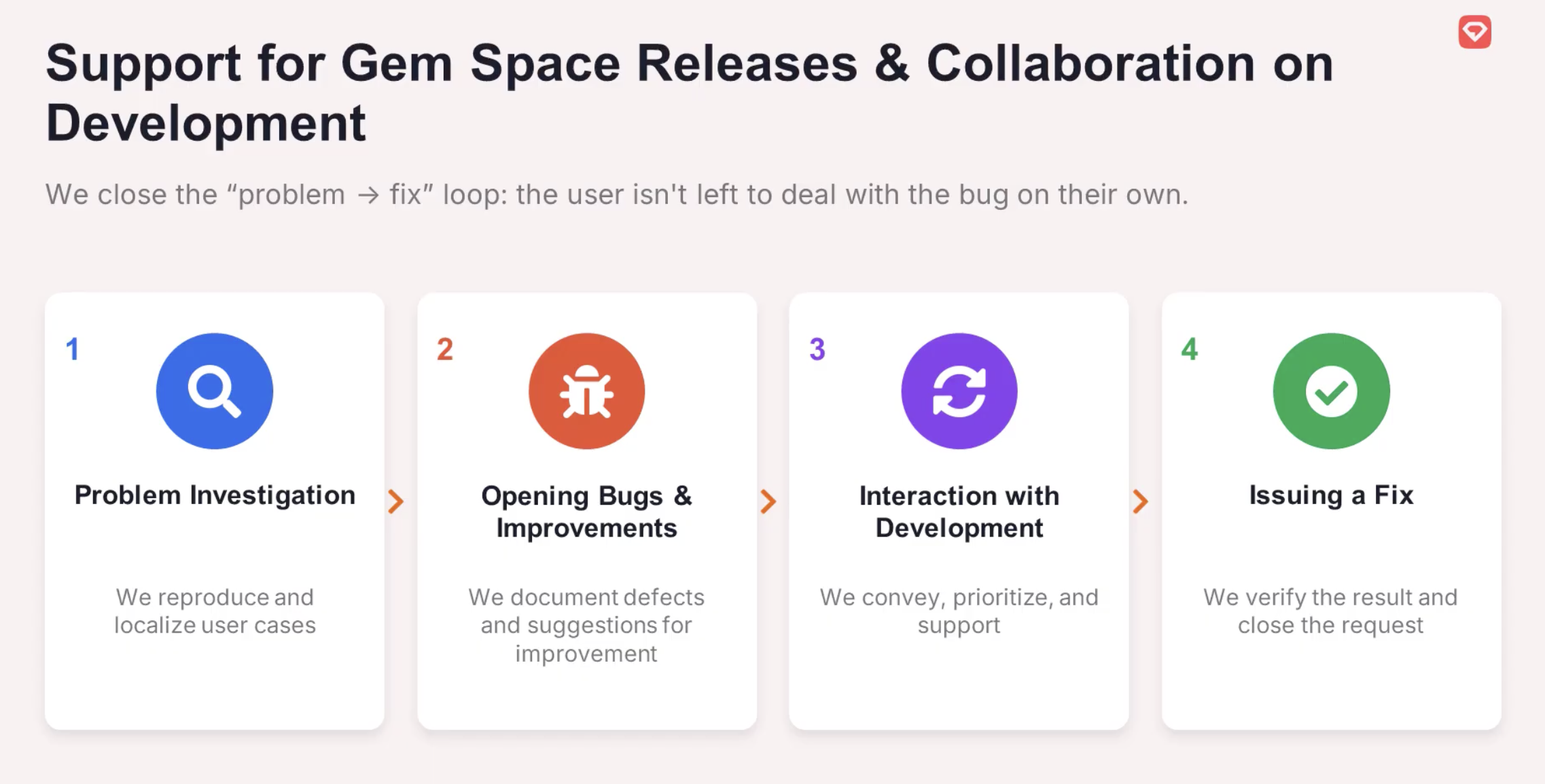
All of this work is fully documented through a complaint registry that maintains histories of resolutions and blocks, and a bug tracking system with status updates, ensuring complete accountability and a transparent picture of product quality and emerging trends.
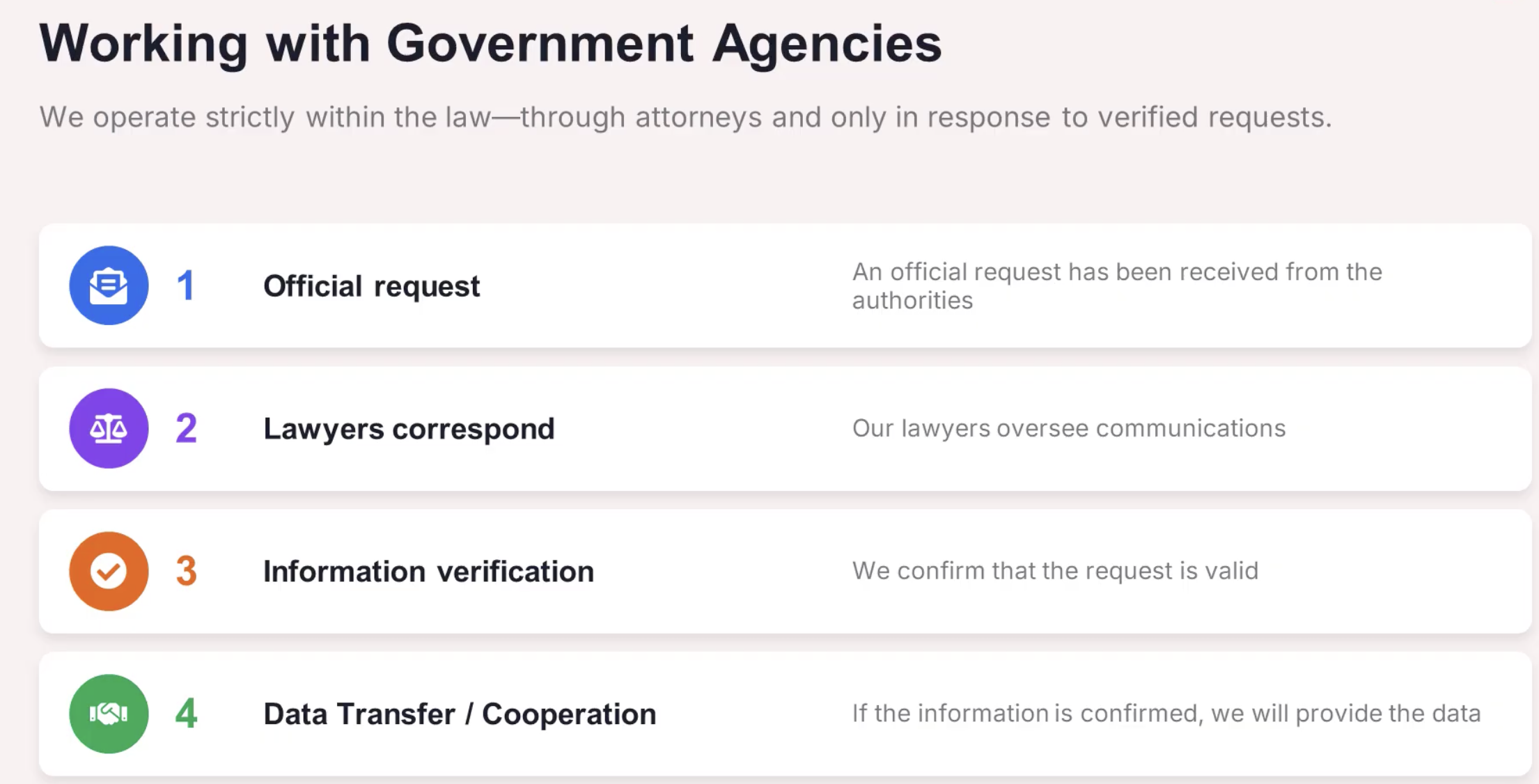
On the question of requests from authorities: all official requests are handled exclusively through the legal department. Legitimacy is verified before any data is shared. Only confirmed, legitimate requests result in cooperation. No unauthorized action is ever taken. This protects both the company and its users — and is a matter of both trust and legal compliance.
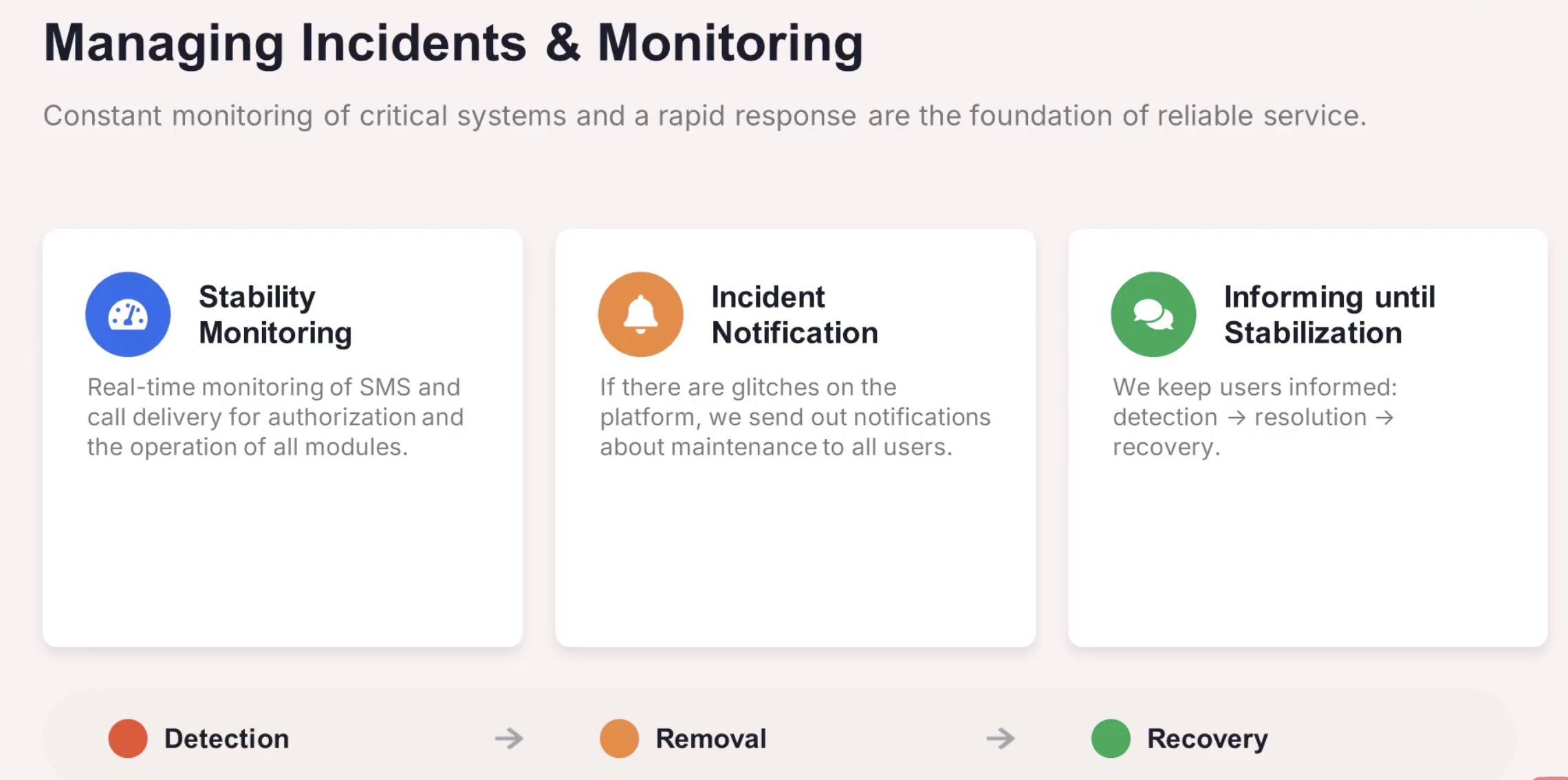
Regarding service reliability and incident management — the team continuously monitors critical systems in real time: message delivery, authorization, calls, and the operation of all application modules. In the event of failures or outages, users are notified promptly about technical work in progress, and the team guides them through the full process — detection, resolution, recovery, and feedback — so that users are never left in the dark.
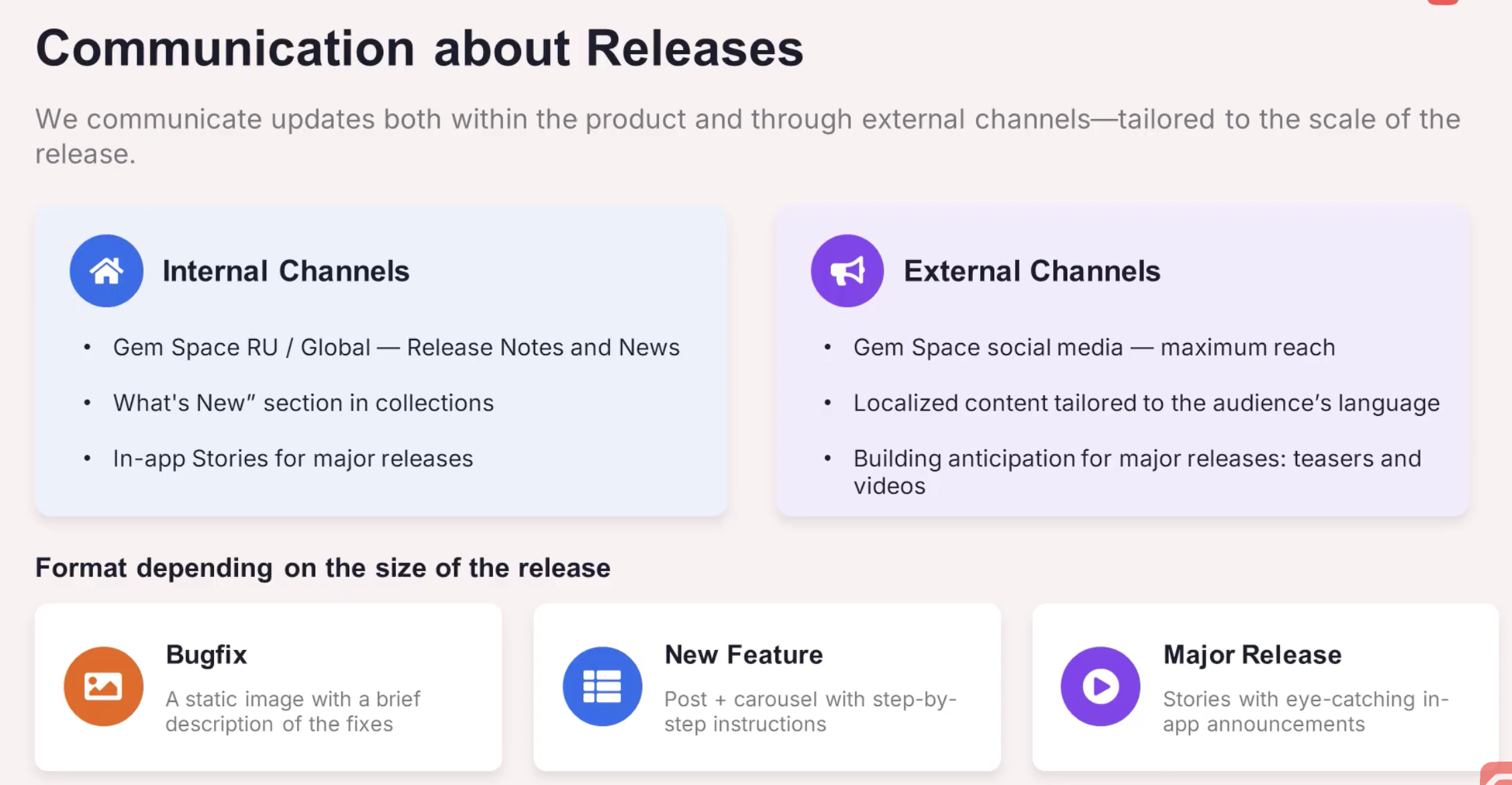
The team also actively communicates updates about releases both inside and outside the product. Internally, through channels such as gemspace.ru and a global channel, including “what’s new” sections and stories for major releases.
Externally, through social media and localized content tailored to the audience’s language, warming up major releases with teasers and videos ahead of launch. The format chosen always reflects the scale of the update — routine bug fix releases receive a short update notice, new features get a post with a carousel and instructions, and major releases receive full story announcements with as much explanation as possible. This approach helps users quickly get familiar with new capabilities and ensures releases achieve wider reach.
From a business perspective, strong service builds trust. Users leave less often and use the product more frequently, which directly contributes to a growing active user base. Key targets include responding to the first chat message within 10 minutes — a strong industry standard — and responding to email within two hours. The team is also focused on managing and increasing its workload capacity and expanding the share of automated moderation over time.
Moderation: Protecting the Public Space
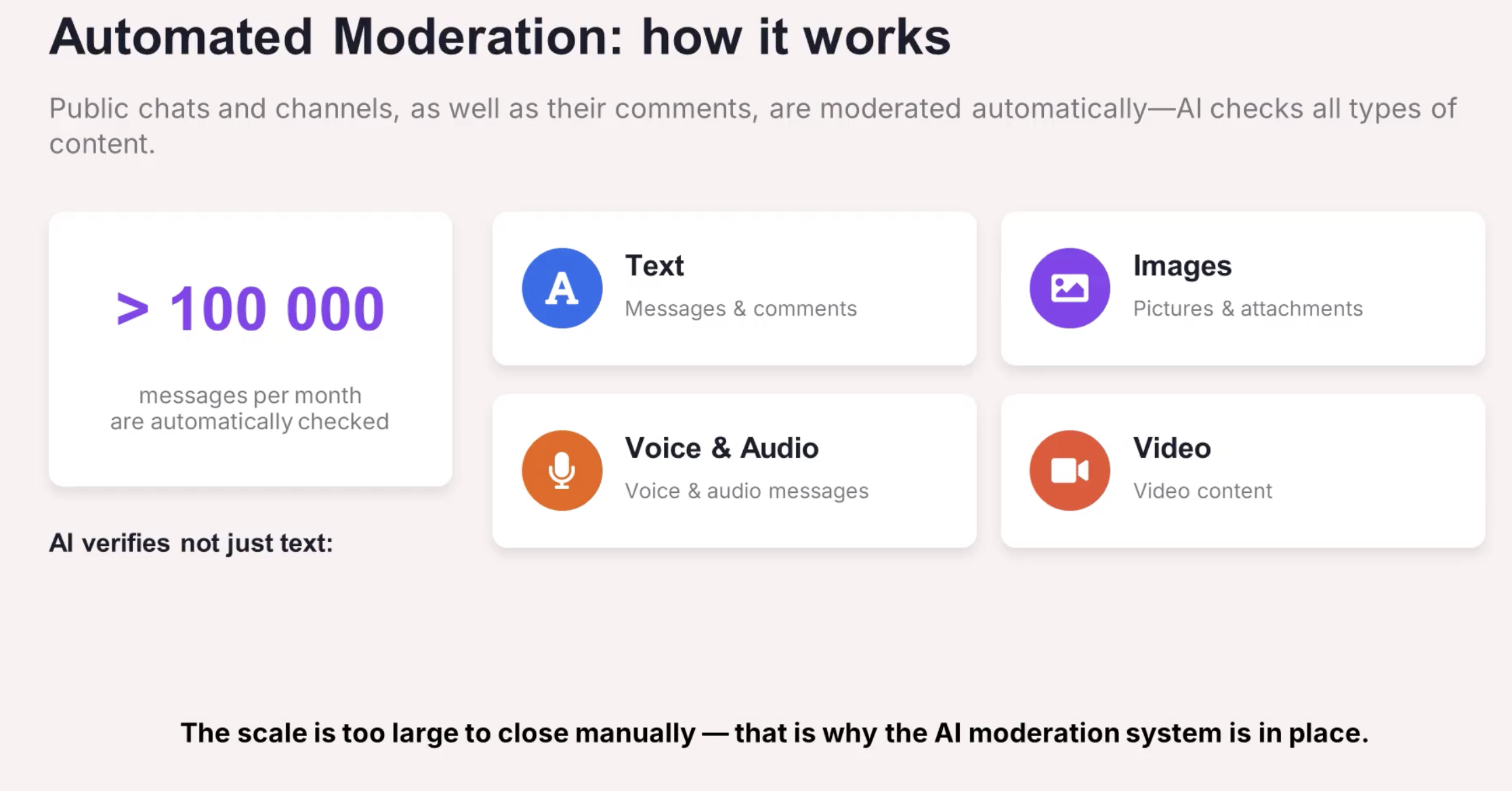
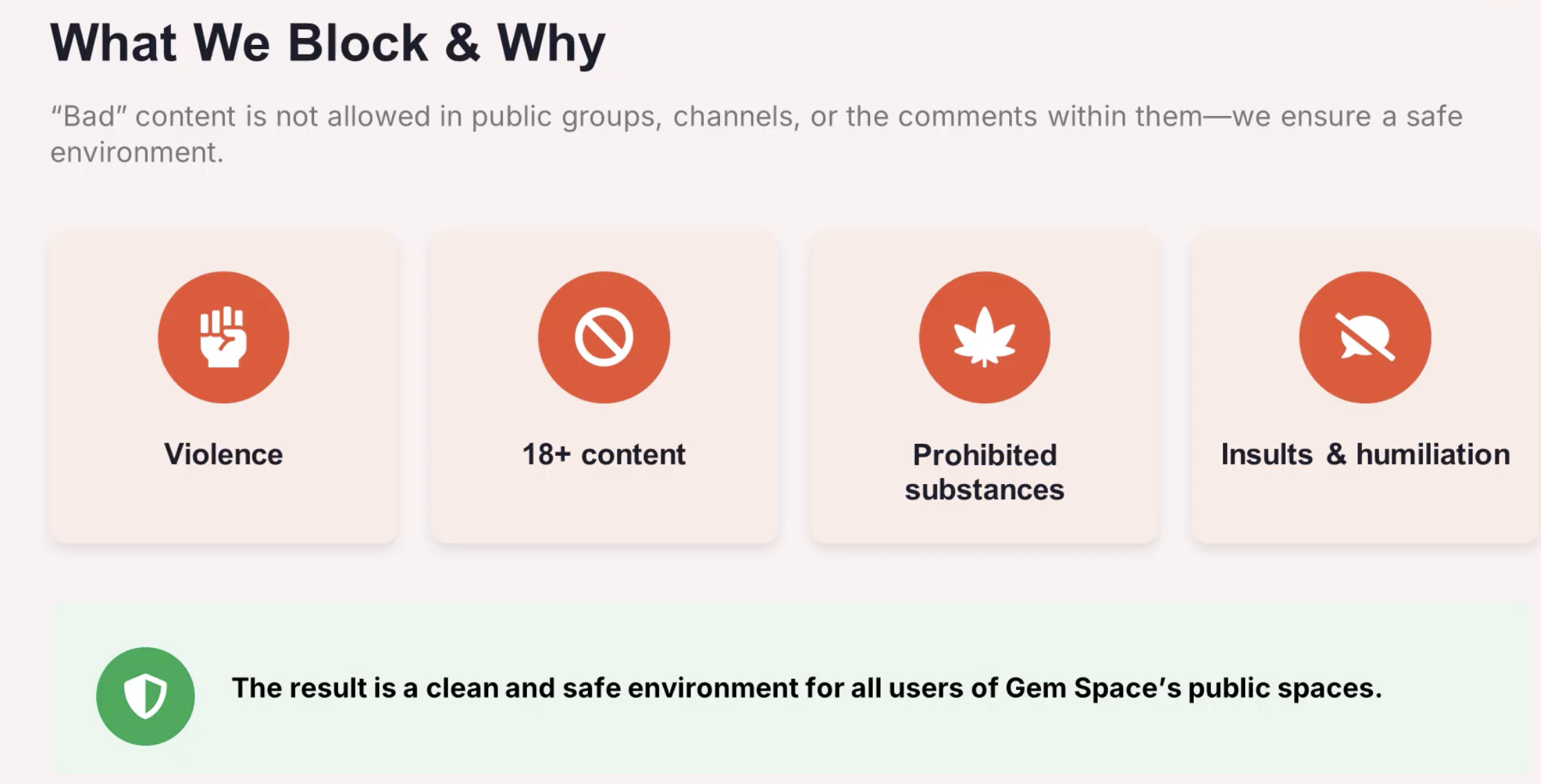
Automatic moderation currently handles over 100,000 messages per month. At this scale, manual review is simply not possible — automation is essential. The AI moderation system checks not only text, but also images, voice messages, audio, and video. It blocks violence, adult content, prohibited substances, insults and humiliations, and other behavior inappropriate for society. Such content is unacceptable in public chats and channels, and strict control is necessary. This is not only an ethical issue — it is crucial for maintaining user trust. People stay where they feel comfortable and safe.
Any automated system can make mistakes, and the team fully understands that. When the AI system flags content, the user receives a warning. After 15 warnings, the user is blocked. To ensure that AI errors do not harm good-faith users, clear safeguards are in place.
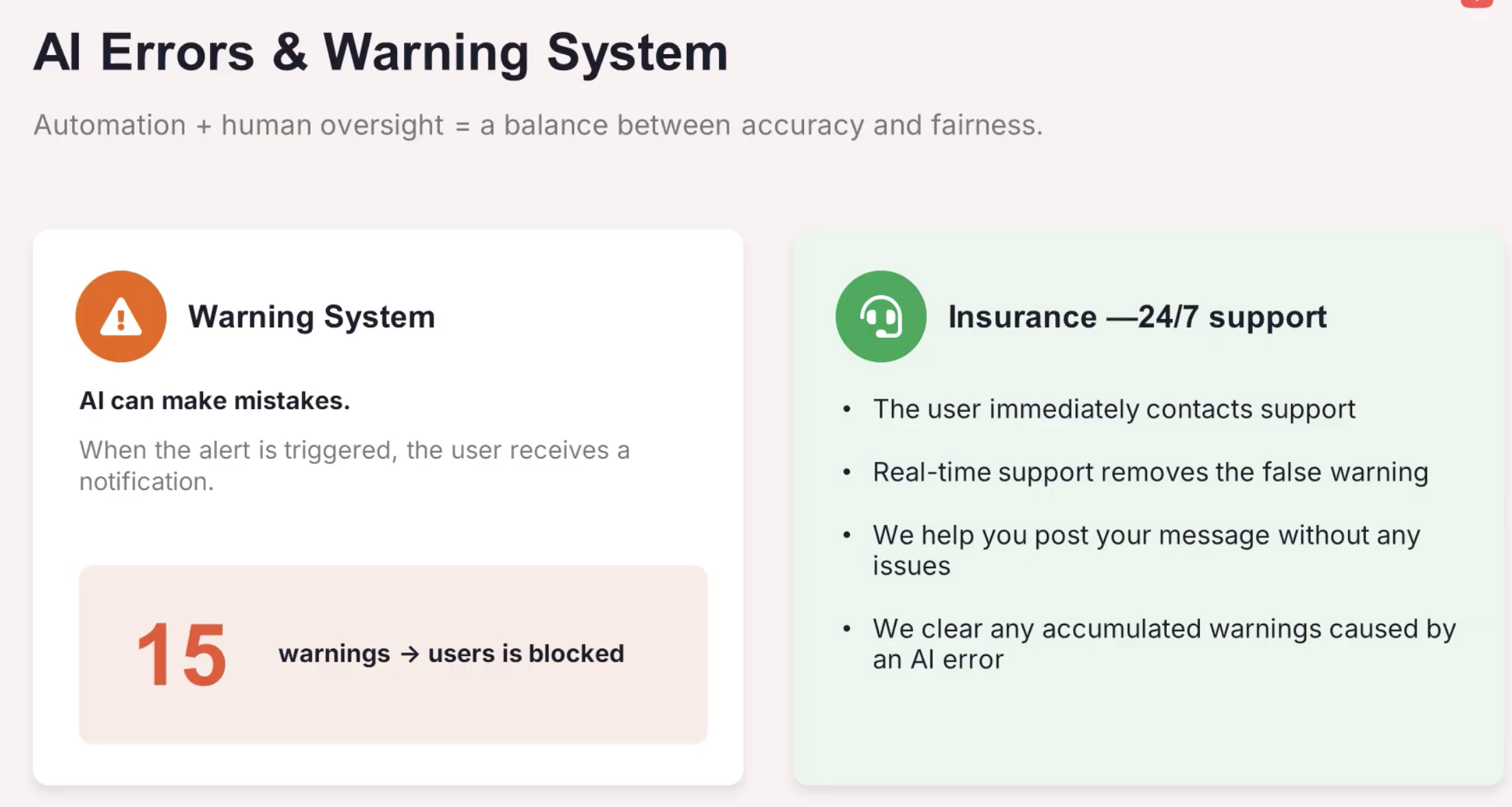
The 24/7 support team is always available. Users can contact support at any time to resolve issues in real time if the AI system has mistakenly flagged their content. Specialists review the case, identify where the system made an error, quickly resolve the problem, and help users post the content that was incorrectly considered a violation.
Regarding the anti-spam points system — the foundation was laid and the first phase launched on May 28th. Each user has an internal score that they cannot see themselves. For new users, the number of new chats they can initiate specifically with unfamiliar users is limited based on their registration type. This limit is calculated using internal data to block mass messaging to everyone indiscriminately.
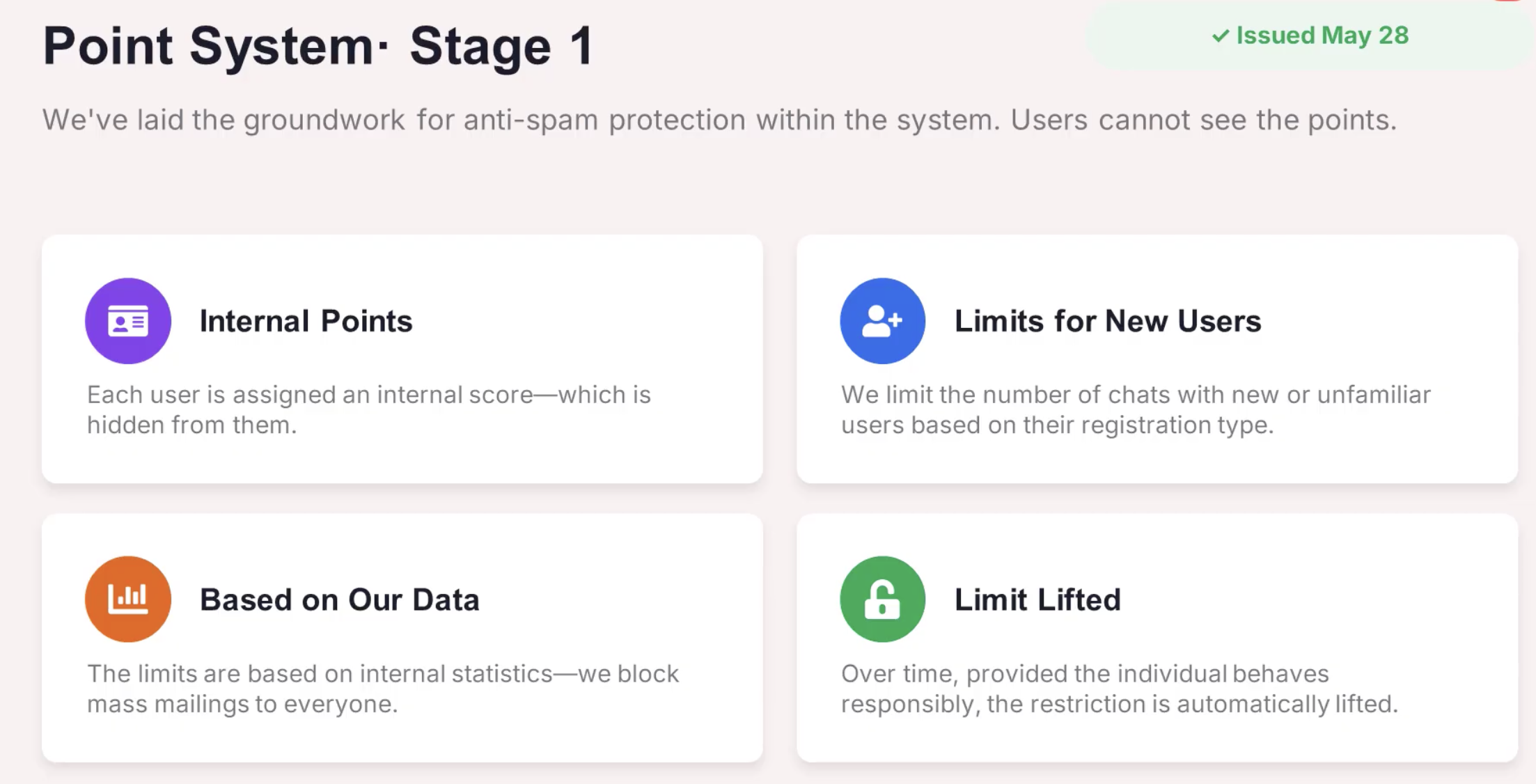
Over time, with responsible behavior, all restrictions are lifted and the user can message anyone as much as they want.
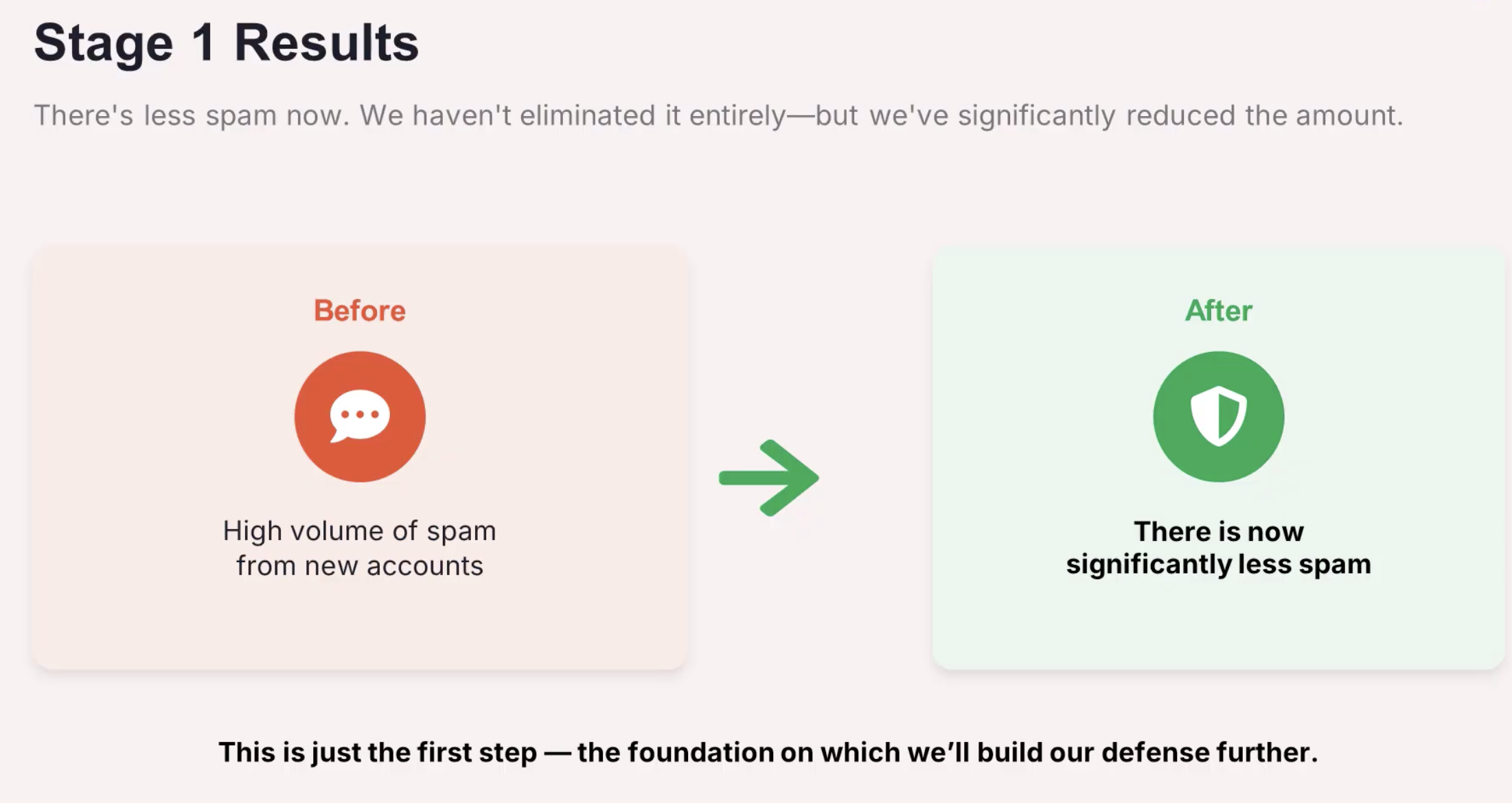
The main problem being addressed is new accounts that can send a large number of messages to new users in a short period. The first phase has partially addressed this. Spam has noticeably decreased — not completely eliminated, but meaningfully reduced. Statistics are now being collected, monitored, and analyzed to inform the next phases.
The second phase, currently in development, will introduce dynamic scoring. User scores will no longer be static — violators and spammers will be blocked much faster than they are now. The third phase involves further system development and automation, including the full integration of an AI system into the anti-spam process. This is a foundation that is being built deliberately and systematically, with each phase building on the last.
Anti-Spam: The Points System in Action
The user points system — the anti-spam foundation launched on May 28th — is already operational and producing results. Each registered user is assigned an internal score. New accounts face limits on the number of new chats they can initiate with unfamiliar users, calculated to block indiscriminate mass messaging. Over time, with responsible behavior, all restrictions are lifted and the user can communicate freely.
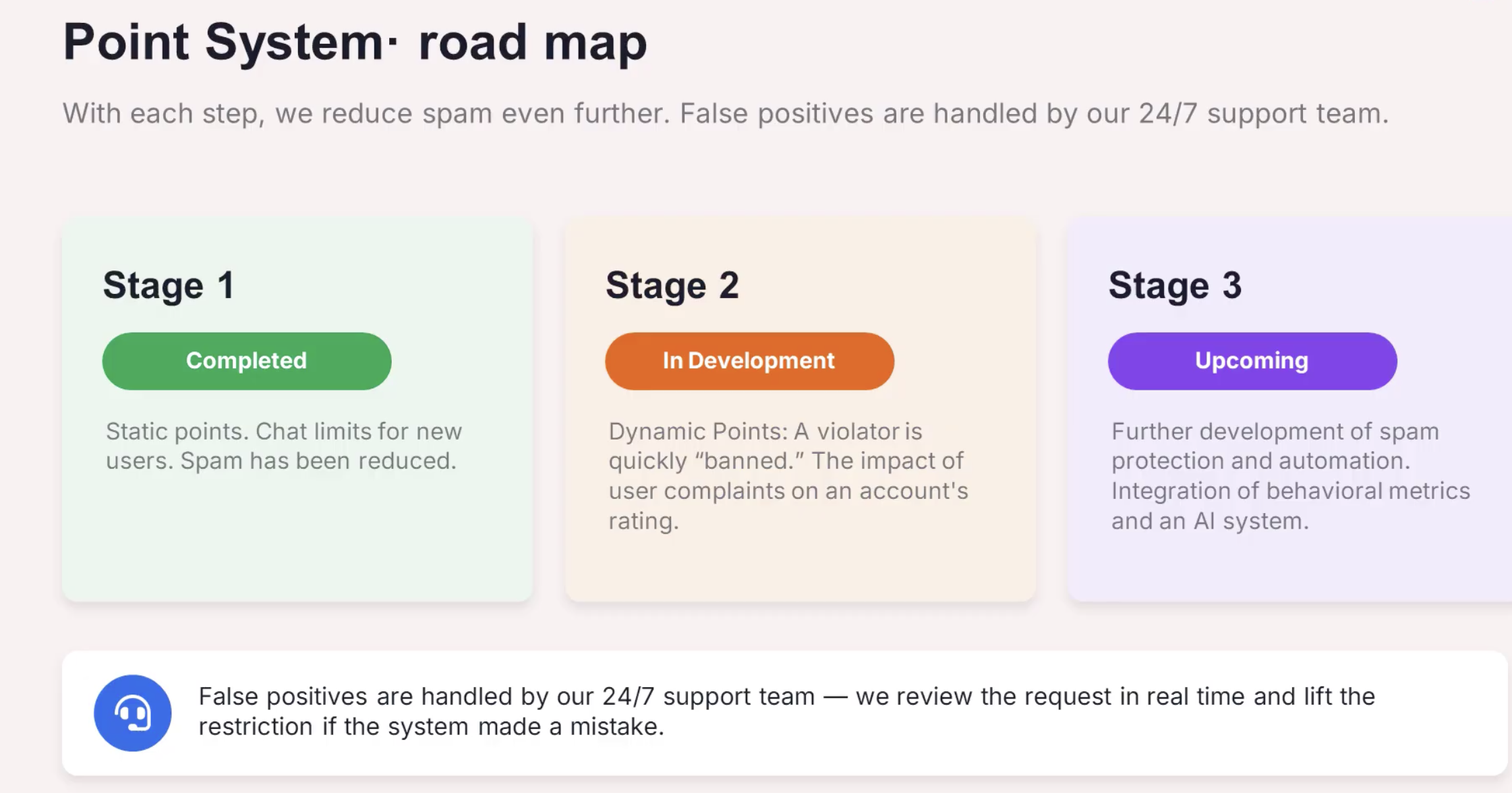
Spam has noticeably decreased since launch. It has not been eliminated entirely, but the system has already had a meaningful impact. This is the first phase — the foundation. The second phase, currently in development, will introduce dynamic scoring, meaning violators and spammers will be blocked much faster. The third phase will further integrate an AI system to automate the process.
Anti-Fraud: 95% Reduction in Losses
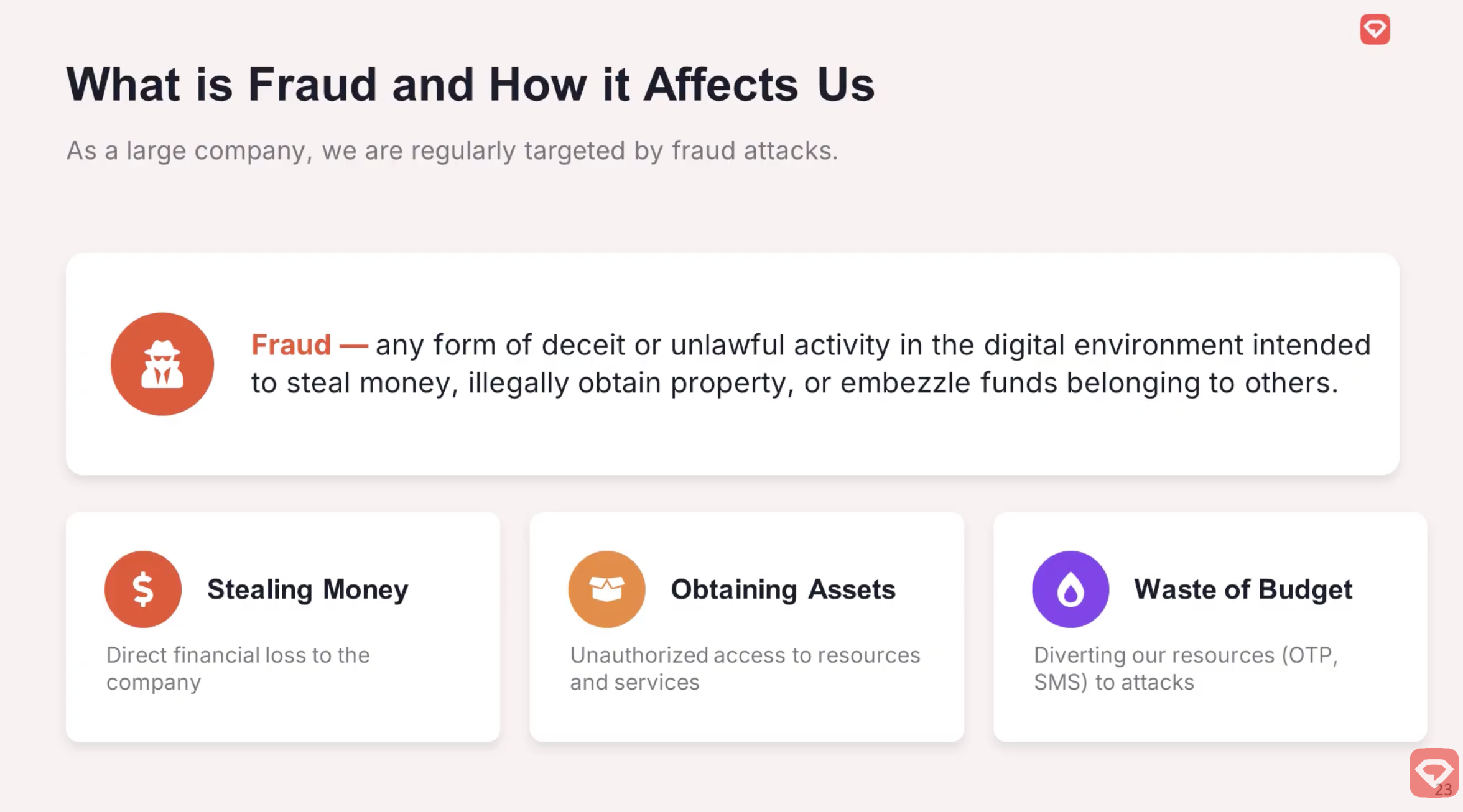
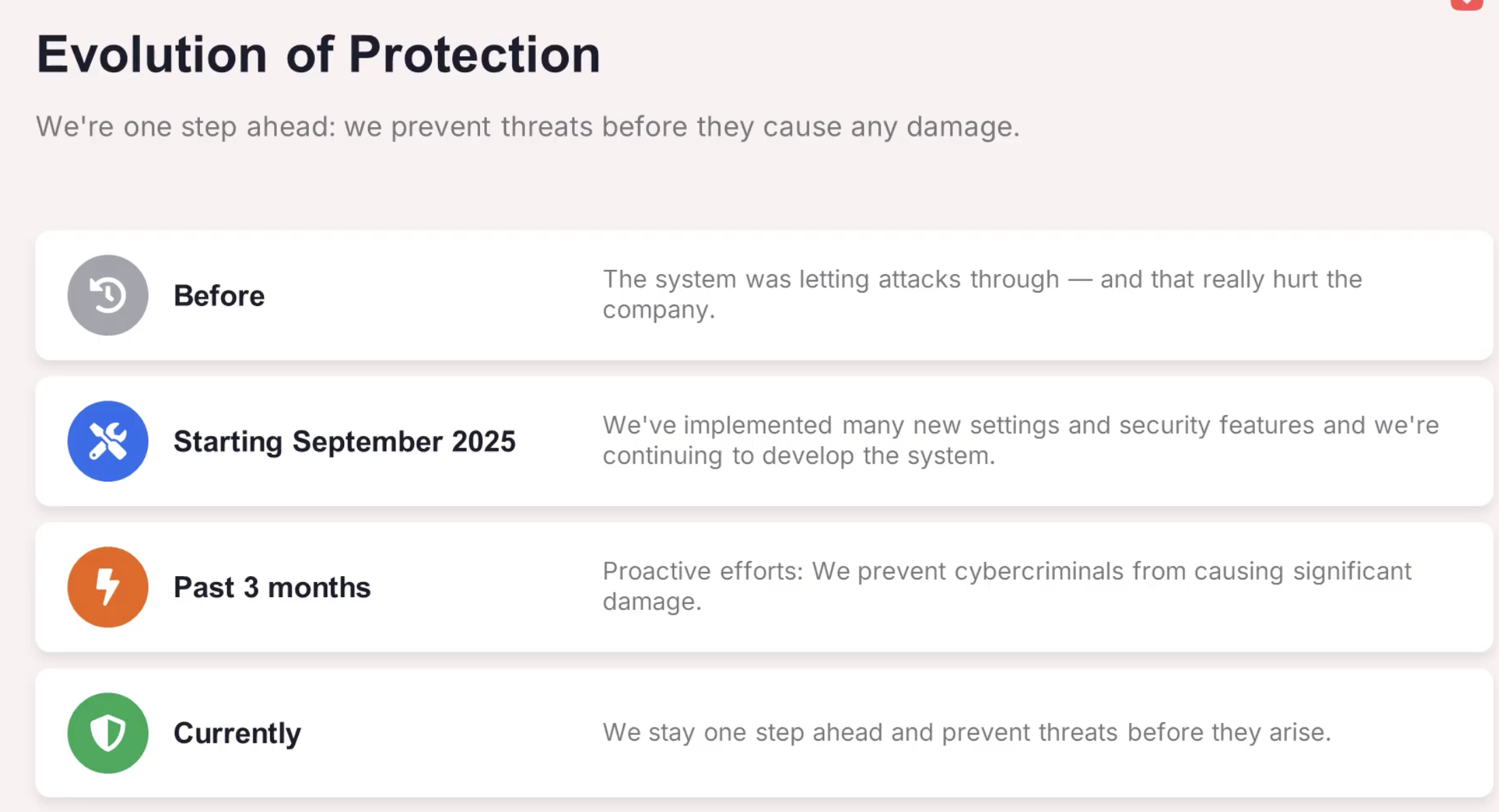
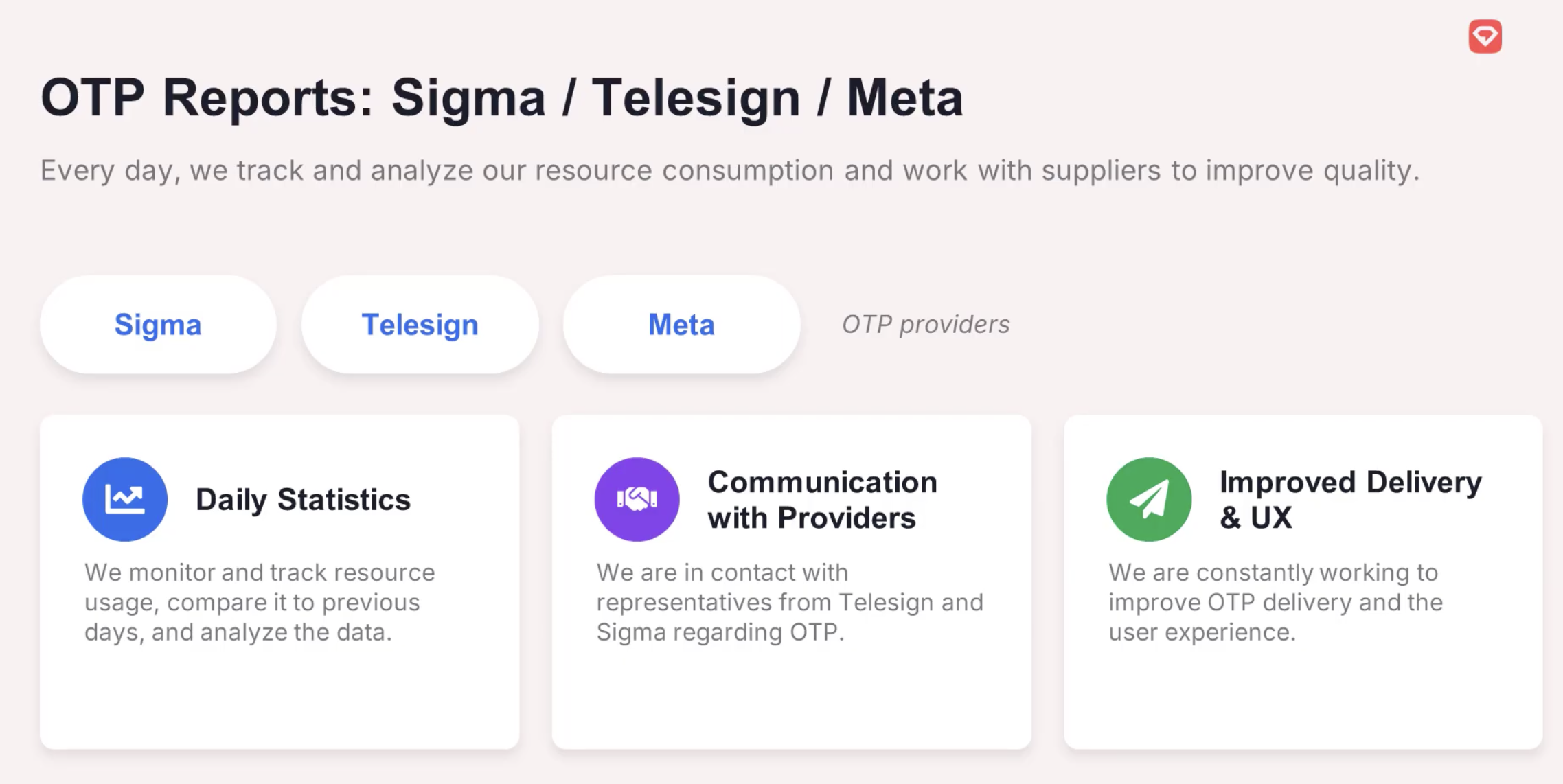
The anti-fraud system protects the company’s financial resources from attacks targeting its OTP infrastructure — SMS, calls, and WhatsApp activation used for user registration and login.
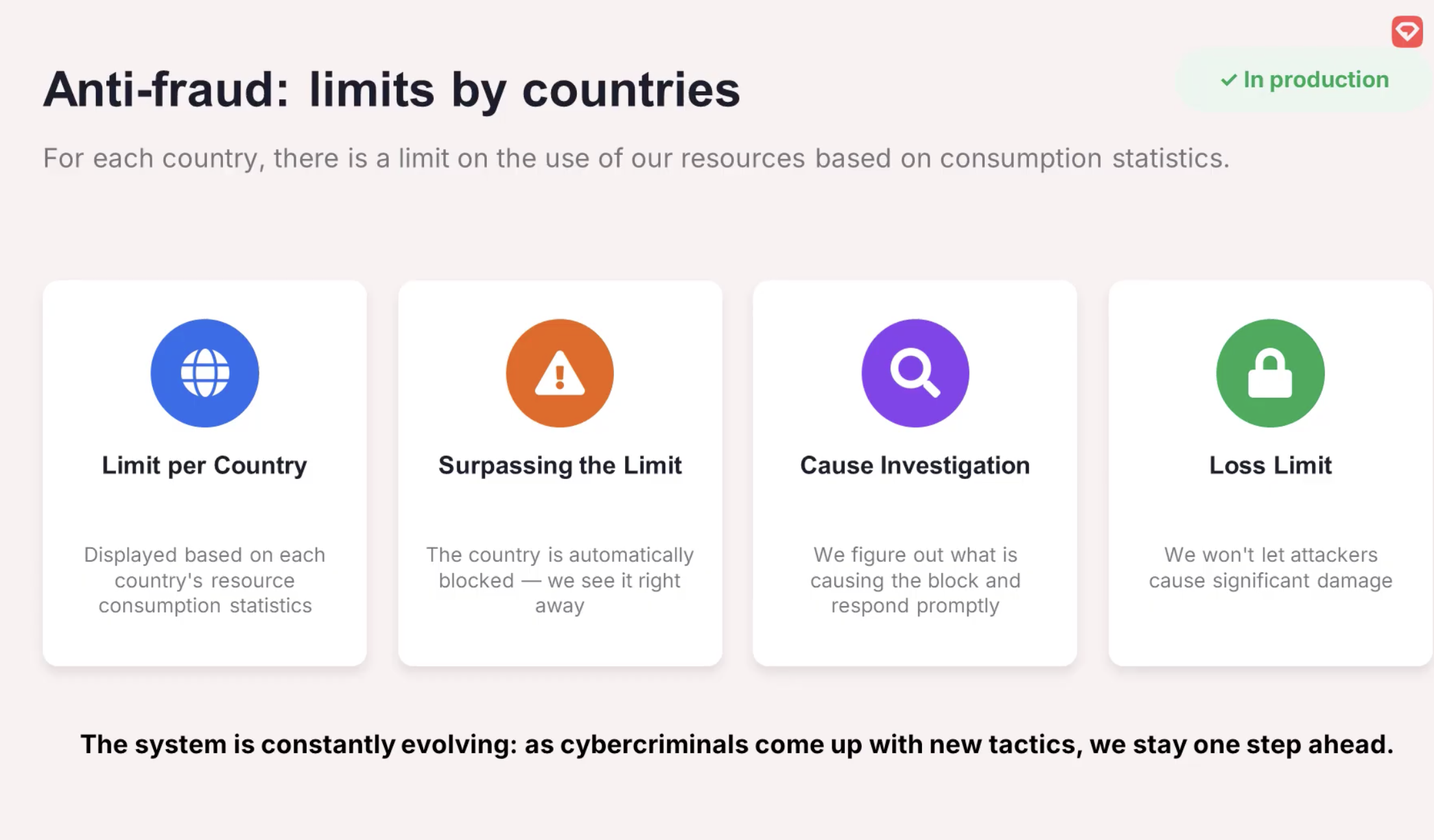
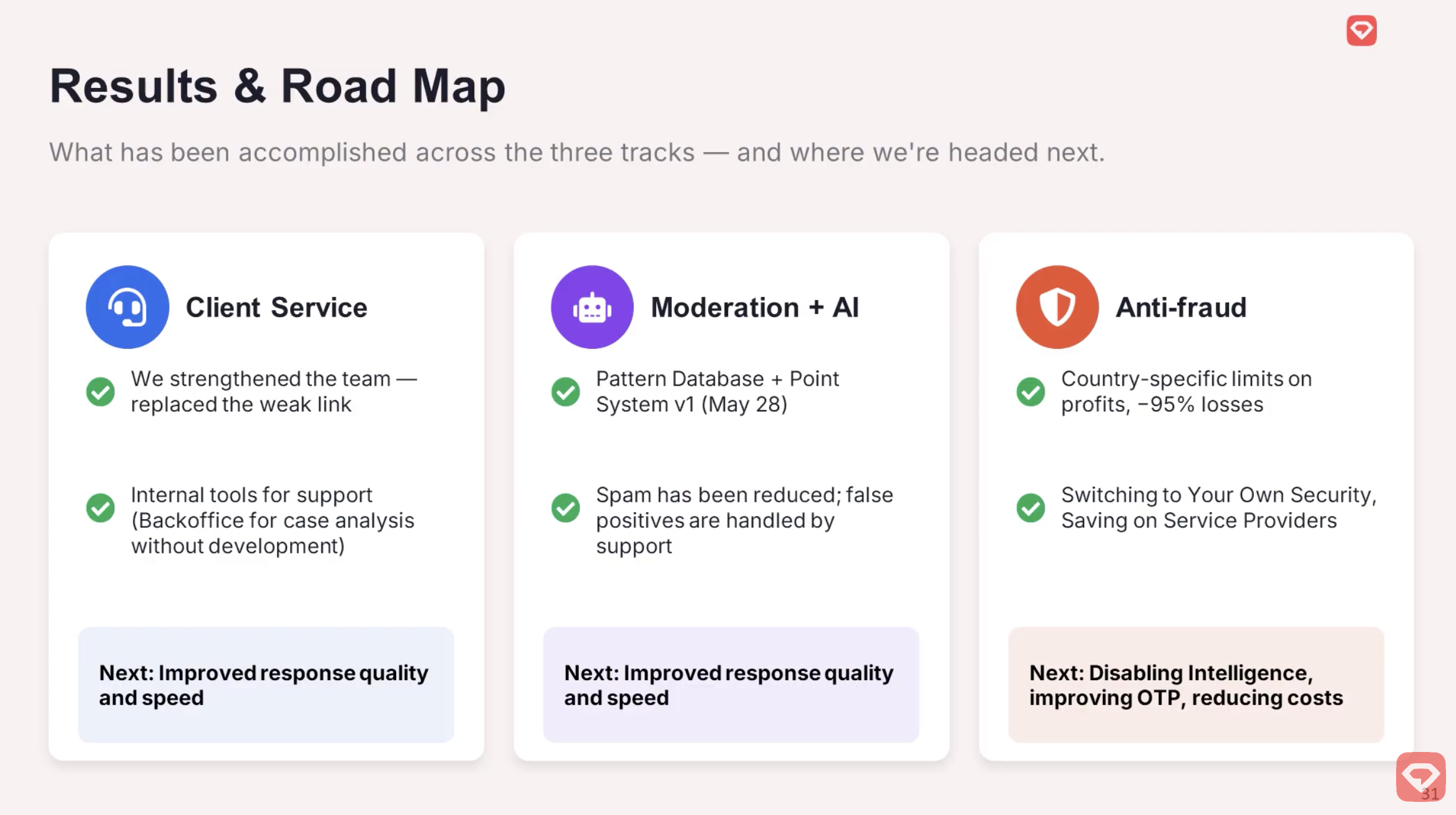
Since September of last year, significant new protections have been implemented. For each country, a usage limit has been set based on historical consumption statistics. If a country exceeds its limit, it is automatically and temporarily blocked — immediately visible in the monitoring system, triggering prompt investigation and response.
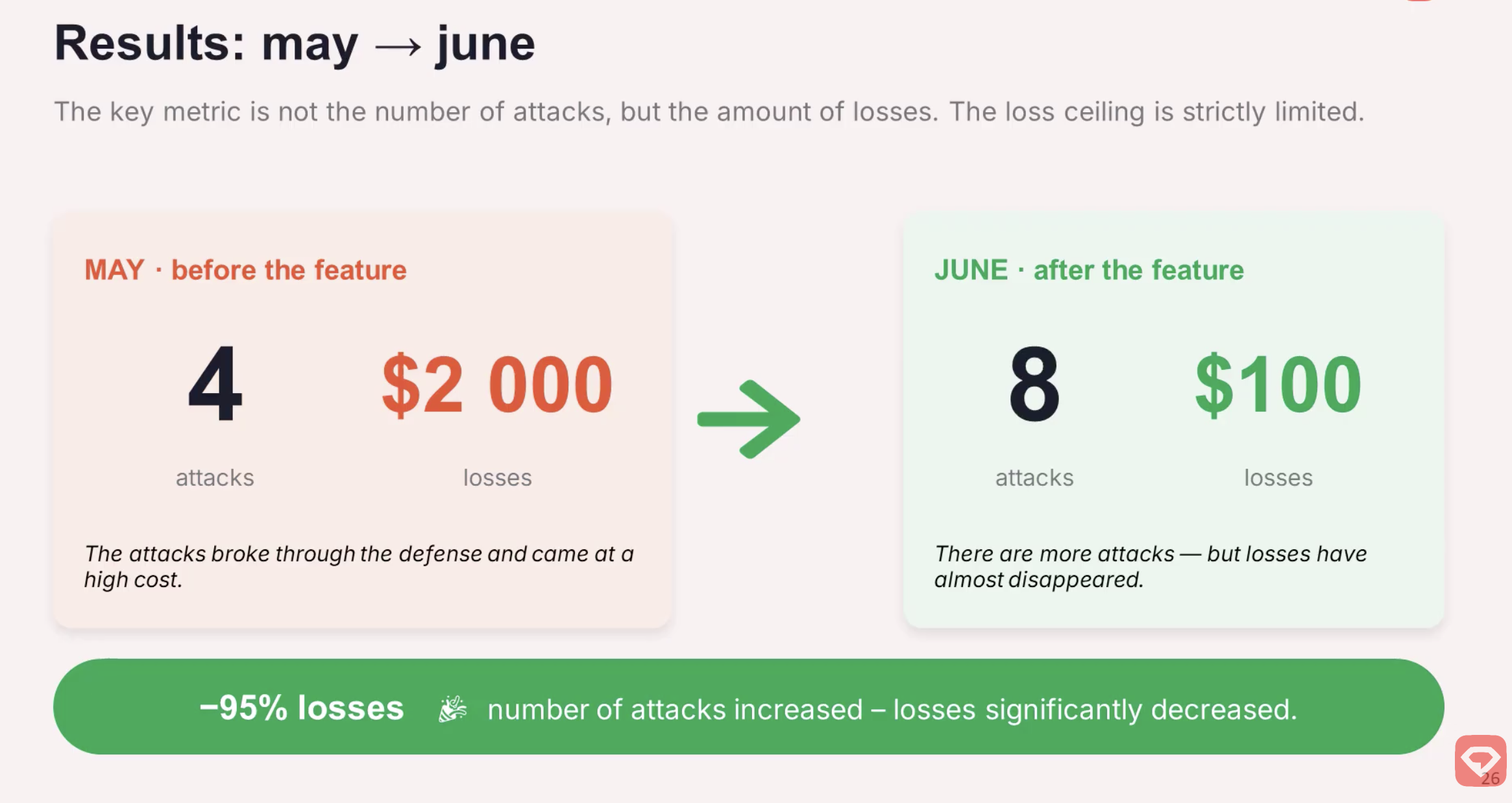
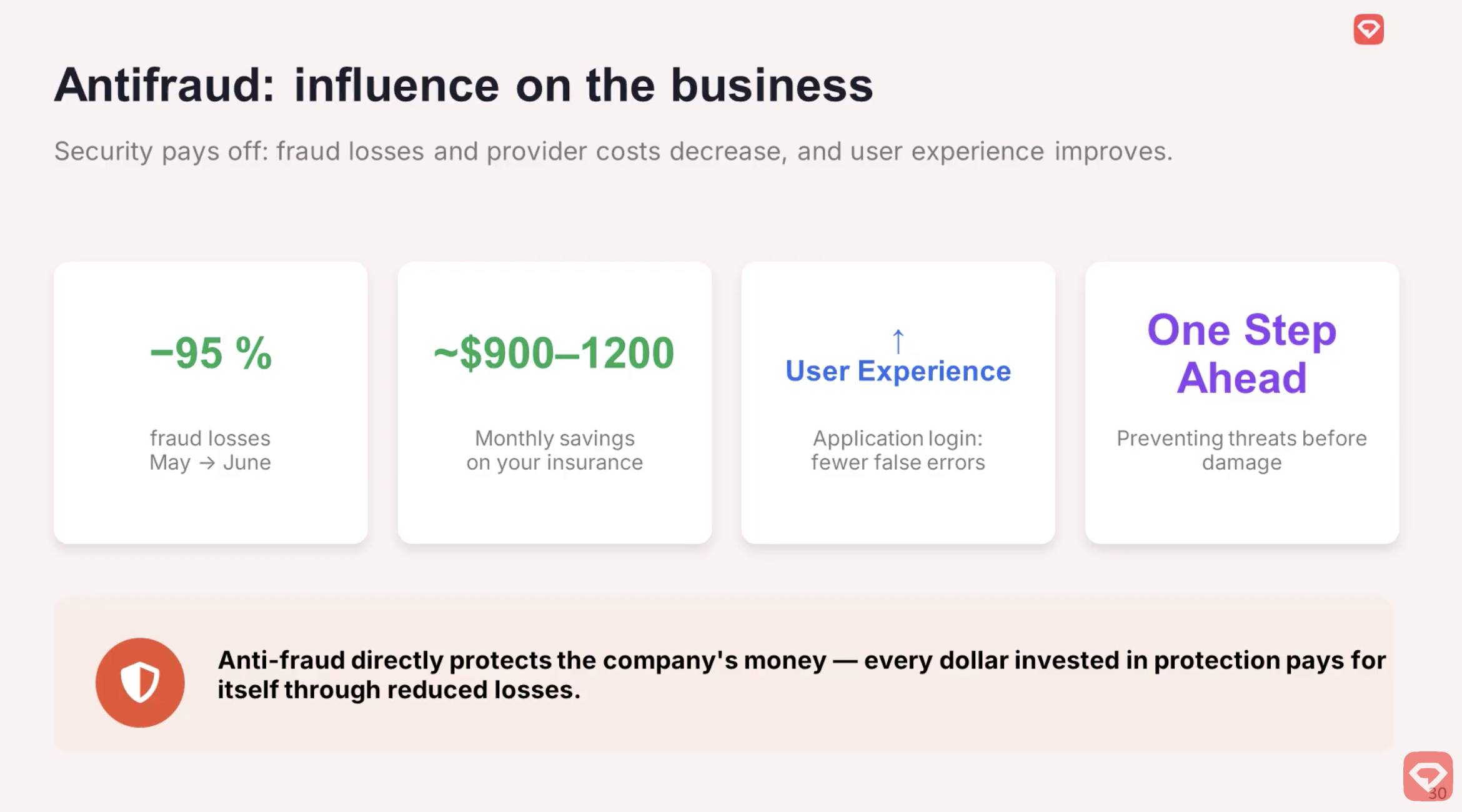
The results are stark. In May, before improvements were finalized, four attacks occurred costing approximately $2,000. In June, after the improvements, the number of attacks doubled to eight — but losses dropped to just $100. More attacks, dramatically fewer losses.
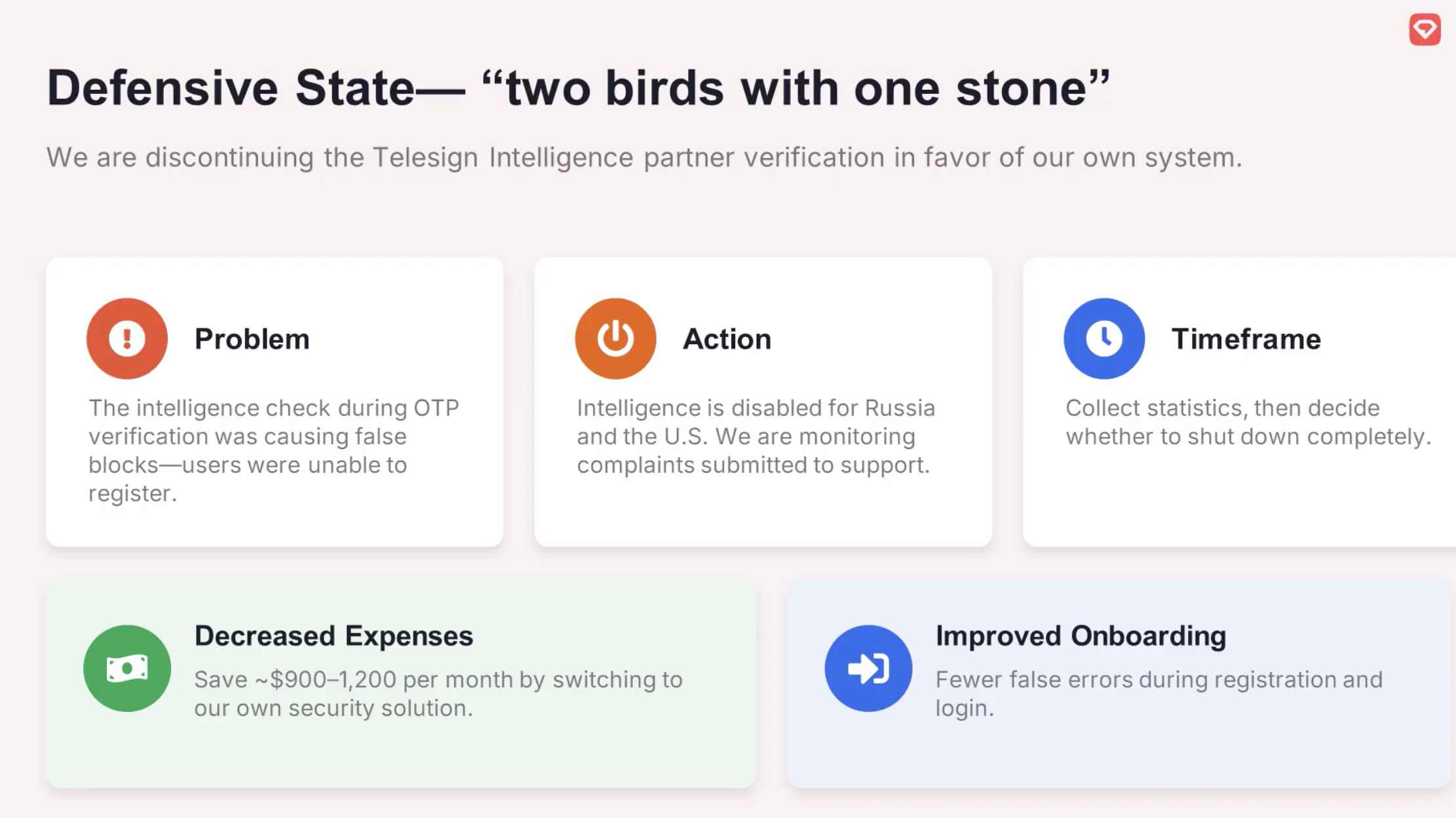
An additional saving came from replacing a partner verification check with a proprietary system. The previous check frequently made errors, blocking legitimate users during registration or login. The switch eliminated approximately $1,000 per month in third-party verification fees and simultaneously improved the user registration experience by reducing false errors.
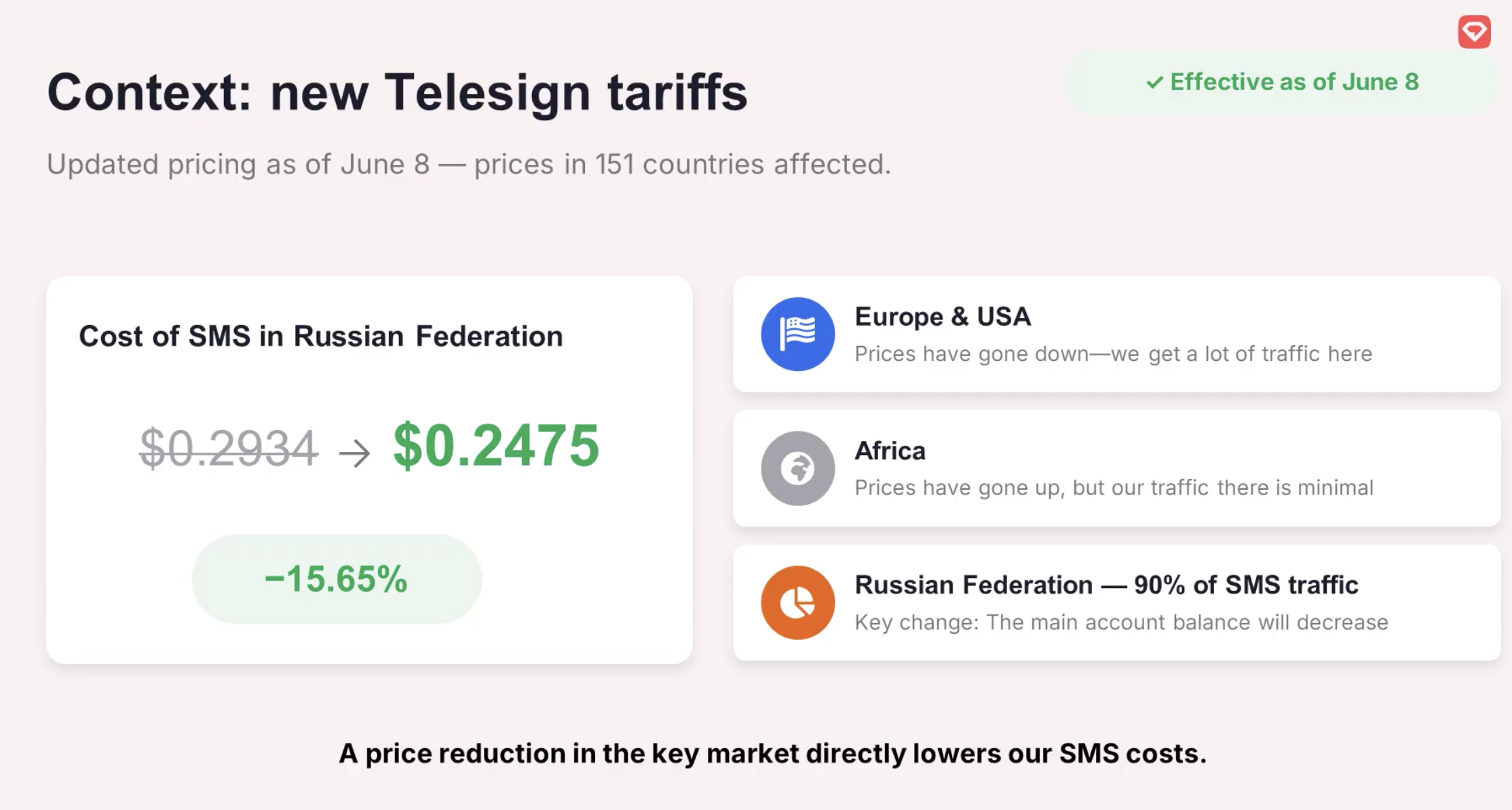
A recent update from the company’s SMS partner TeleSign also brought positive news — OTP SMS rates in Russia dropped by nearly 16% effective June 8th.
The GCC Region: Deferred Demand, Not Defeat
A pointed investor question challenged whether it was time to abandon the Middle East focus after two years of work without visible results. The response was direct: there are results, and the strategic logic behind the GCC focus remains sound.
The team did not simply arrive in Qatar and Saudi Arabia and begin selling. The process involved extensive travel, relationship building, joining alliances and business councils, becoming part of the Qatar Financial Center, and eventually establishing a permanent presence across two countries. All of that groundwork now exists and is irreplaceable.
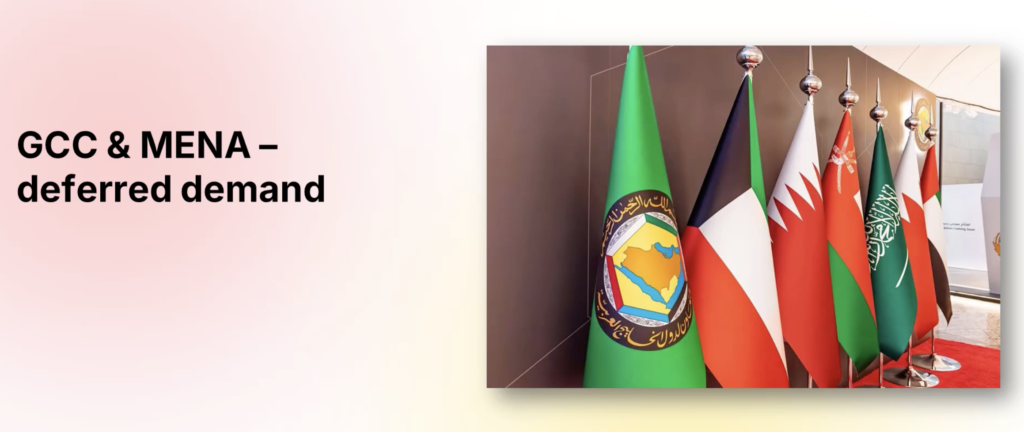
The force majeure events that began on February 28th disrupted what had been building momentum. Governments and semi-governmental organizations that had been in advanced stages of evaluation shifted their entire focus to operational survival — rebuilding desalination infrastructure, restoring gas exports, managing security situations. Deals that were moving did not disappear. They deferred.
Despite 50-degree heat, the team stayed. Meetings, contacts, and product demonstrations continued. And the consequence of staying — while others left — is that a wave of deferred demand is now building. Counterparties value the fact that Gem Soft remained present and active throughout the instability. Through continued consultations and testing, the team helped clients identify and address communication vulnerabilities they did not even know they had.
Other regions are being developed in parallel where possible. Through a partnership in Qatar, an agreement with the Gulf African Organization is active and Africa is being developed. But building the same depth of commercial presence in Vietnam, Brazil, or Indonesia requires personnel and resources that would need to be built from scratch — it is costly and time-consuming, and doing so would dilute the focus on the region where the most advanced relationships already exist.
The Phase Crisis and the Role of Platforms
The macro-economic context was addressed in detail. The world has entered a phase crisis — the transition from an industrial to a post-industrial society. The primary tool for navigating this transition is digital platforms.
Platforms during this period act like icebreakers — dismantling previous economic structures while simultaneously building the foundation for new ones. Artificial intelligence is a powerful tool, but it needs a place to operate. It needs a platform. When AI is applied on a large platform, it enables real-time redirection of information flows, money, and services, with increasing automation and efficiency.
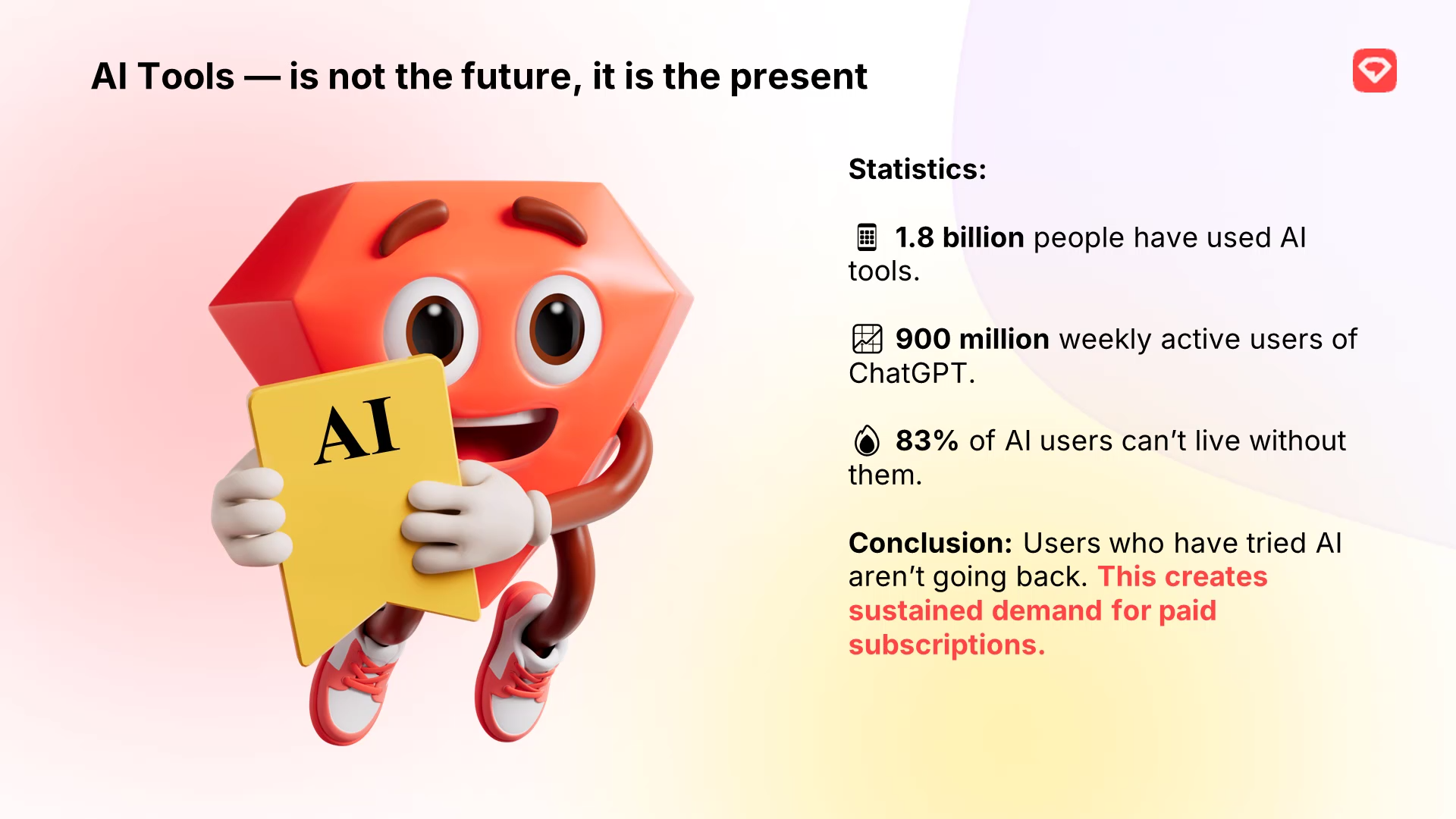
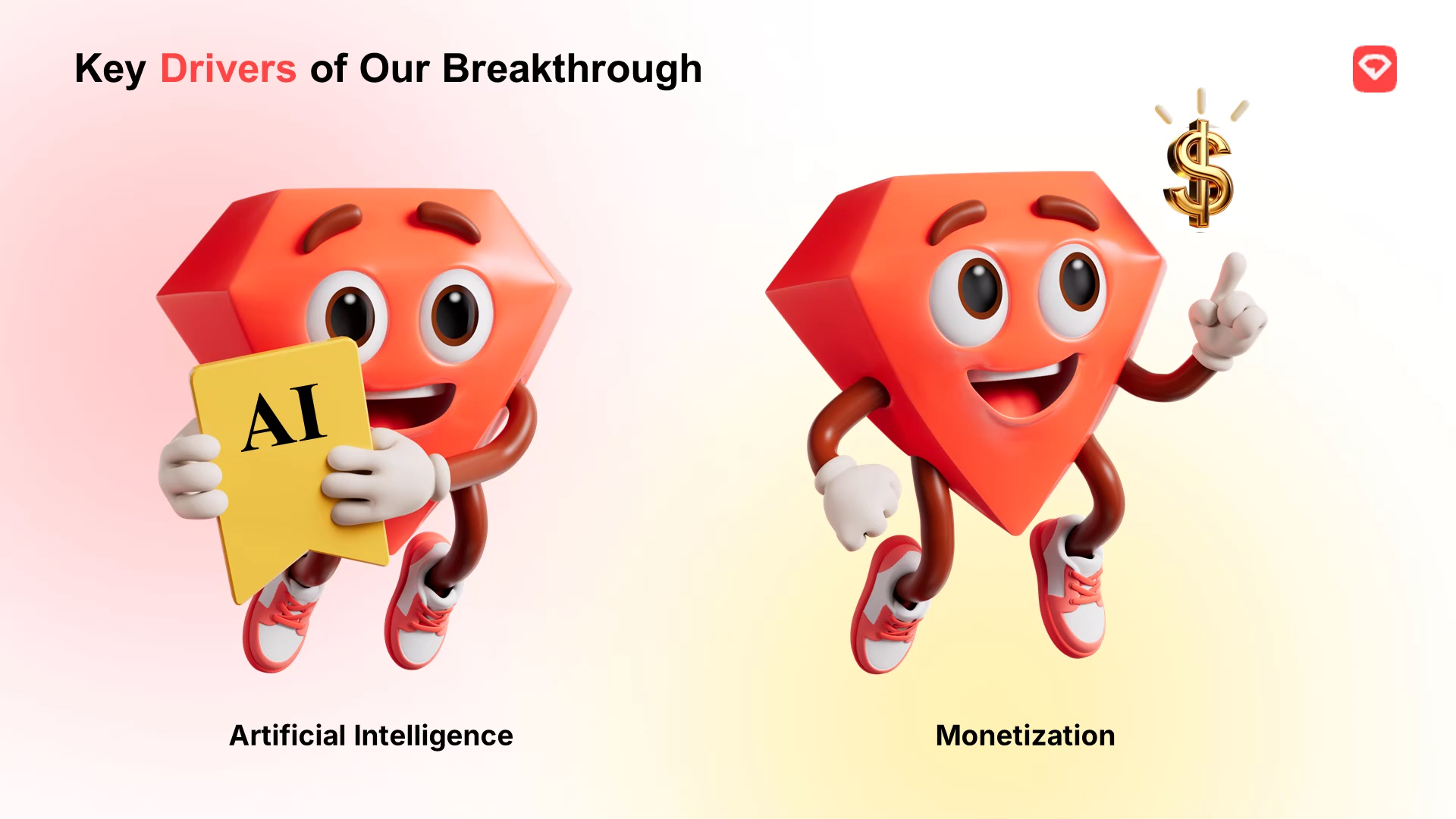
The platform Gem Space represents is exactly this kind of infrastructure. It is already built. It is now being equipped with the tools — monetization and AI — that will allow it to generate real financial flows and compete at the level of the world’s most valuable digital platforms. The platform is what allows the company to survive the current phase crisis and emerge in a position to sell at a very high valuation once the new economic conditions stabilize.
Monetization Is Happening This Week
A direct answer was given to the question investors have been asking most: will monetization actually be introduced this year?
Yes — definitively. The mini-app platform is releasing this week. The first mini-app, built by the Gem Soft team to demonstrate that the platform works end-to-end, is also releasing this week. Users will be able to see it and start using it immediately. The chatbot that allows third-party services to upload their own mini-apps will also be ready this week.
Payment services are scheduled for September as a mandatory component of the plan. AI tools are also expected to begin rolling out in September.
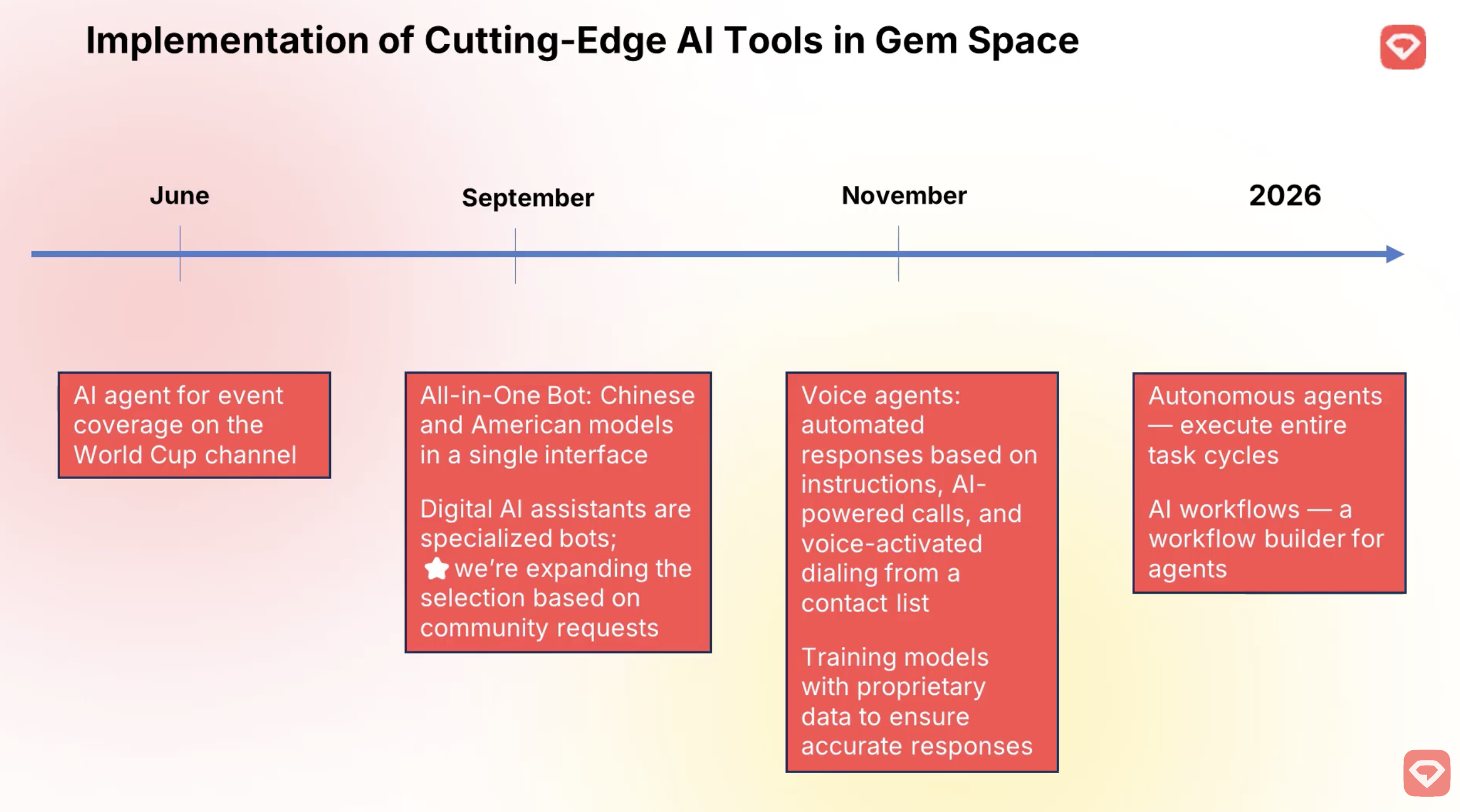
One important point was emphasized clearly: all of these plans depend entirely on funding. The product is not yet generating revenue — it is spending significant amounts. The plans are real and momentum is building, but execution speed is 100% dependent on the investment resources available to the team.
The Case for Class D Shares: Telegram, Slack, and Zoom
To explain why Class D shares were created and why the current investment phase matters so much, three well-known historical examples were presented.
- Telegram operated as a completely free product from 2013 through approximately 2022. It cost enormous amounts of money throughout that entire period. When Telegram finally decided to pursue monetization — starting around 2020 to 2023 — it raised approximately $2 billion through bonds and private investors. Those funds were deployed to build the premium subscription, internal currency tools, and monetization infrastructure. The result: a $35 billion valuation in 2024. They invested over $2 billion and received that valuation in return.
- Slack could have been sold in 2015 with a million users for $1 to $2 billion. The investors who chose not to sell waited until 2019, when Salesforce acquired the company for $23 billion — a 20-fold increase. The final funding rounds before that exit were $200 to $400 million, invested when the product was already established and users were already there. Still, reaching the scale necessary to command that valuation required significant late-stage investment.
- Zoom was offered to buyers at $500 million to $1 billion before its IPO. The founder insisted on independence. In 2019, Zoom went public at a $16 billion valuation. After the pandemic, it reached $40 billion. The final investment round before IPO was approximately $100 million.
The pattern across all three is the same: significant investment in the final stage — after the product was built but before the financial flows were established — was the difference between a modest exit and a transformational one.
That is the stage Gem Space is at now. The foundation is built. The user base is established. The team and infrastructure are in place. What is needed now is the investment to launch and scale AI and monetization tools as fast as possible, before competitors close the gap.
Class D Shares: Clarifications
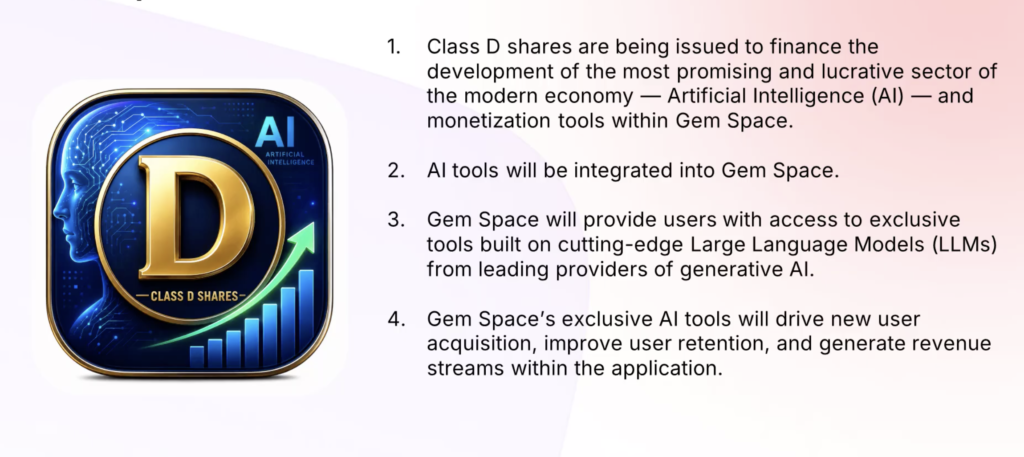
Several clarifications were provided on how Class D shares work in relation to the existing share classes.
- Class C shares generate dividends from Gem Team license sales — corporate and sovereign communication platform licensing.
- Class D shares generate dividends from AI and monetization tools within the Gem Space ecosystem — mini-apps, PayGem wallet, premium subscriptions, and AI tools. These dividends are paid quarterly.
- Class A shares relate to global strategic sales and regional sales of the Gem Space platform.
When Class D shares convert to Class A at a 2:1 ratio at the point of strategic sale, they join the Class A pool. There will not be a separate register for Class D shares since they are ultimately double the quantity of Class A shares, but separate accounting will exist so that monetization income is correctly credited to Class D shareholders during the period before conversion.
The first stage of AI and monetization income goes exclusively to Class D shareholders. Once those tools are generating larger revenue streams, a proposal will be made to extend dividend access to a broader group of shareholders. But to reach that point, the investment and effort need to happen now.
The First AI Tool Is Live
The first AI tool in the Gem Space ecosystem has launched. It is a football news aggregation service — delivering AI-compiled news reports in Russian, Spanish, and English, timed with the FIFA World Cup beginning June 11th.

The tool uses artificial intelligence to compile and synthesize hundreds of news items per day into unique, readable news stories. No human team could process that volume. This is exactly the kind of task AI was built for — and it is the first in a series of AI tools that will be integrated into the platform through the remainder of 2026.
Stay informed — join our Angels Team channel in Gem Space.
Comments are closed